Foods with seed oils: how to spot them at the store
 By Clement7 min read
Find the controversial ingredients already in your kitchen.
Scan packaged foods at home, understand ingredients, and find healthier alternatives in seconds.




 Scan with Osana
Foods with seed oils: how to spot them at the store
Seed oils show up in the majority of packaged foods sold in American grocery stores. If you want to reduce your intake, the practical challenge is not understanding what seed oils are, it is knowing which specific products contain them and how to find them on a label before you put something in your cart.
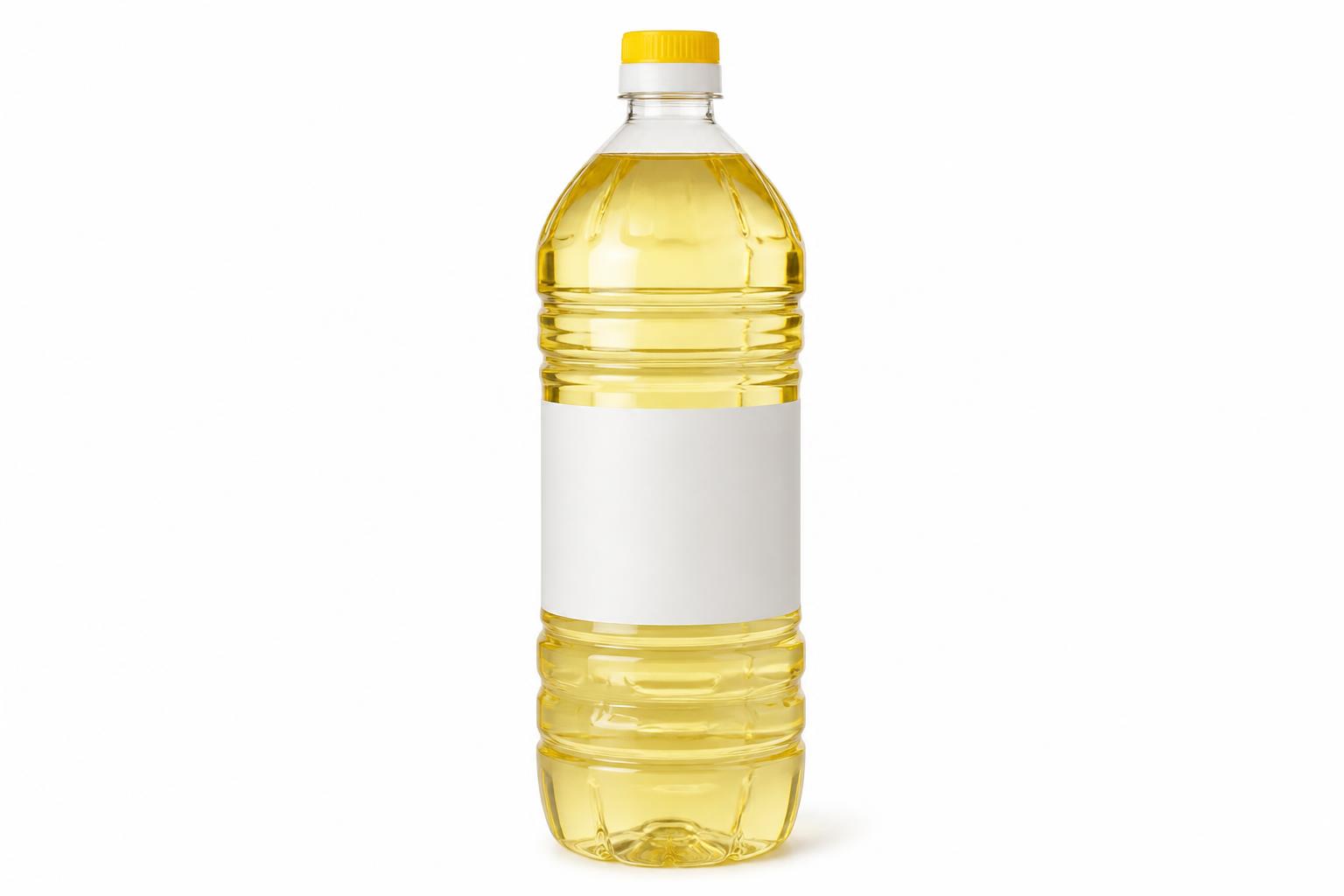
What counts as a seed oil on an ingredient label
The term "seed oil" is not used on food labels. Instead, you will see individual oil names listed under ingredients. The most common seed oils found in packaged foods are:
- Soybean oil (often listed simply as "soybean oil" or hidden inside "vegetable oil")
- Canola oil (also called rapeseed oil)
- Sunflower oil and high-oleic sunflower oil
- Safflower oil and high-oleic safflower oil
- Corn oil
- Cottonseed oil
- Grapeseed oil
- Rice bran oil
The phrase "vegetable oil" is a catch-all that almost always means soybean or canola oil, or a blend of both. When you see it, assume a seed oil is present. The FDA's guidance on food labeling requires oils to be named individually when they are the sole oil used, but blends can be listed as "vegetable oil" with the specific oils named in parentheses, or sometimes without them.
Everyday foods with seed oils you may not expect
Seed oils are not limited to chips or fried foods. They appear across nearly every packaged food category. Here is where they show up most often in a typical American grocery run.
Snacks and crackers
This is the category where snacks with seed oils are most concentrated. Virtually every mainstream cracker, chip, popcorn, rice cake, and granola bar uses at least one seed oil. Ritz crackers list soybean oil and canola oil. Most Lay's chip varieties use sunflower, corn, or canola oil. Even products marketed as "natural" or "made with whole grains" at Whole Foods or Trader Joe's frequently contain high-oleic sunflower or safflower oil.
Look at the ingredients list on any cracker box. If the second or third ingredient is an oil, it is almost certainly a seed oil.
Bread and baked goods
Sliced sandwich bread, burger buns, English muffins, and packaged muffins routinely include soybean oil or canola oil to extend shelf life and improve texture. This applies to store brands at Walmart and Target as well as name brands like Arnold and Pepperidge Farm. Even some "clean" breads at Whole Foods use high-oleic sunflower oil.
Salad dressings and condiments
Bottled salad dressings are one of the highest-concentration sources. Soybean oil is the first or second ingredient in most ranch, Italian, and Caesar dressings sold at mainstream retailers. Mayonnaise is almost entirely soybean oil unless specifically labeled otherwise. Ketchup, barbecue sauce, and even some hot sauces use seed oils as carriers for flavoring.
Frozen meals and prepared foods
Frozen burritos, pizza, pasta dishes, and stir-fry kits all rely on seed oils for cooking and preservation. Costco's prepared and frozen food sections are particularly dense with soybean and canola oil across both name brands and Kirkland products.
"Healthy" snacks and protein bars
This is where shoppers are often surprised. Many protein bars, nut butters, trail mixes, and veggie chips sold at health-focused retailers contain sunflower oil, safflower oil, or rice bran oil. The oils are often high-oleic versions, which manufacturers position as a healthier choice, but they are still seed oils by definition. A 2021 review published in Nutrients noted ongoing debate about the health effects of linoleic acid-rich oils, though research is not settled.
How to read a seed oil ingredients list quickly
You do not need to memorize every oil name. A faster approach at the store:
- Scan the first five ingredients. Oils are usually listed near the top because they are present in meaningful quantities.
- Look for the word "oil" anywhere in the list. Then check whether it is olive oil, coconut oil, avocado oil, or butter, which are not seed oils, versus the names listed above.
- Flag "vegetable oil" immediately. It almost always means soybean or canola.
- Watch for the word "partially hydrogenated" before any oil name. That signals a trans fat, which is a processed form of seed oil that the FDA has restricted since 2018.
For a broader look at how these oils appear across product categories, the seed oils in packaged foods guide covers the background and context in more depth.
Where seed oils are hardest to avoid
Restaurant-style sauces, flavored nuts, microwave popcorn, and store-bought hummus are categories where seed oils are nearly universal. Even products with short ingredient lists, like roasted almonds or dried fruit with flavoring, may include sunflower or canola oil as a coating agent.
At Costco and Walmart in particular, the sheer volume of products makes label-reading time-consuming. Most shoppers report that they intend to check labels but abandon the habit under time pressure, especially with kids in the cart.
It is also worth noting that seed oils often appear alongside other ingredients that shoppers are watching. A single snack cracker might contain soybean oil, high fructose corn syrup, and artificial flavors in the same product. The NIH's National Library of Medicine and researchers at institutions like Harvard have studied dietary fat patterns, but the science on seed oils specifically remains an active area of research without clear consensus.
Practical swaps to reduce seed oil exposure
You do not have to eliminate every product. A few targeted swaps cover the highest-exposure categories:
- Replace bottled dressings with olive oil and vinegar
- Choose crackers made with olive oil (some Simple Mills and Almond Thins varieties qualify)
- Pick nut butters with one ingredient: the nut itself
- For chips, look for brands using avocado oil or coconut oil, which are increasingly available at Trader Joe's and Whole Foods
- Choose plain frozen vegetables over seasoned blends, which often include oil coatings
Conclusion
Spotting foods with seed oils is mostly a label-reading skill, and the list of names to watch is short once you know it. The challenge is applying that skill consistently across hundreds of products during a real shopping trip. That is where Osana can help: scan any barcode or ingredient label and instantly see whether a product contains seed oils, ultra-processed ingredients, or other additives you are trying to avoid.
Frequently asked questions
What are the most common seed oils in packaged food?
Soybean oil, canola oil, sunflower oil, safflower oil, corn oil, and cottonseed oil are the most frequently listed. "Vegetable oil" on a label almost always means soybean or canola.
How do I know if a snack has seed oils without reading every word?
Check the first five ingredients and look for the word "oil." If it is not olive, coconut, avocado, or butter, it is likely a seed oil.
Are high-oleic sunflower and safflower oils different from regular seed oils?
They are still seed oils. High-oleic versions have a different fatty acid profile with more oleic acid and less linoleic acid, which some researchers consider a meaningful difference, but they are not the same as olive or avocado oil.
Do products at Whole Foods or Trader Joe's avoid seed oils?
Not automatically. Many natural and organic products at both stores use sunflower, safflower, or canola oil. Always check the ingredient list regardless of where you shop.
Is "vegetable oil" always a seed oil?
In practice, yes. In the US, vegetable oil in packaged food is almost always soybean oil, canola oil, or a blend of both.
Can I find seed-oil-free snacks at mainstream stores like Target or Walmart?
Yes, but they require label checking. Brands like Siete, Simple Mills, and RX Bar offer some products made without seed oils, and they are increasingly stocked at mainstream retailers.
Get the cleaner swaps list before your next grocery run.
One short email a week: new label checks and better-for-you products we actually tested.
No spam. Unsubscribe anytime.

Choose cleaner swaps before they land in your cart.
Use Osana at Whole Foods, Trader Joe's, Target, Costco, or Walmart to compare labels faster and shop with more confidence.