7 min read
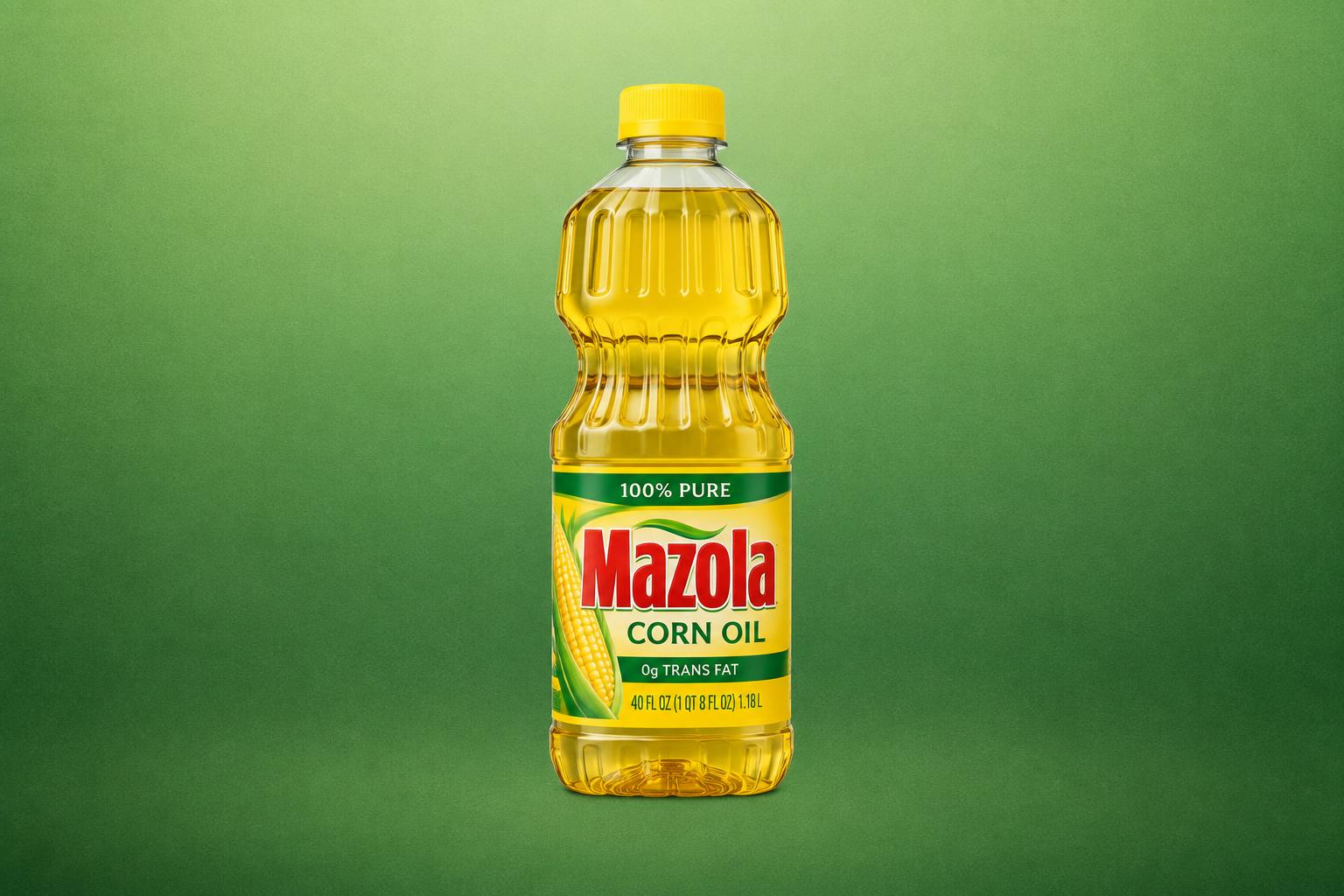
List of seed oils: the complete label-name guide for US shoppers
A full list of seed oils grouped by type, written with the exact names you will see on US ingredient labels, plus the common oils that are not seed oils at all.
Practical, research-aware guides to reading food labels, understanding ingredients and additives, comparing food scanner apps, and choosing healthier grocery products.
A full list of seed oils grouped by type, written with the exact names you will see on US ingredient labels, plus the common oils that are not seed oils at all.
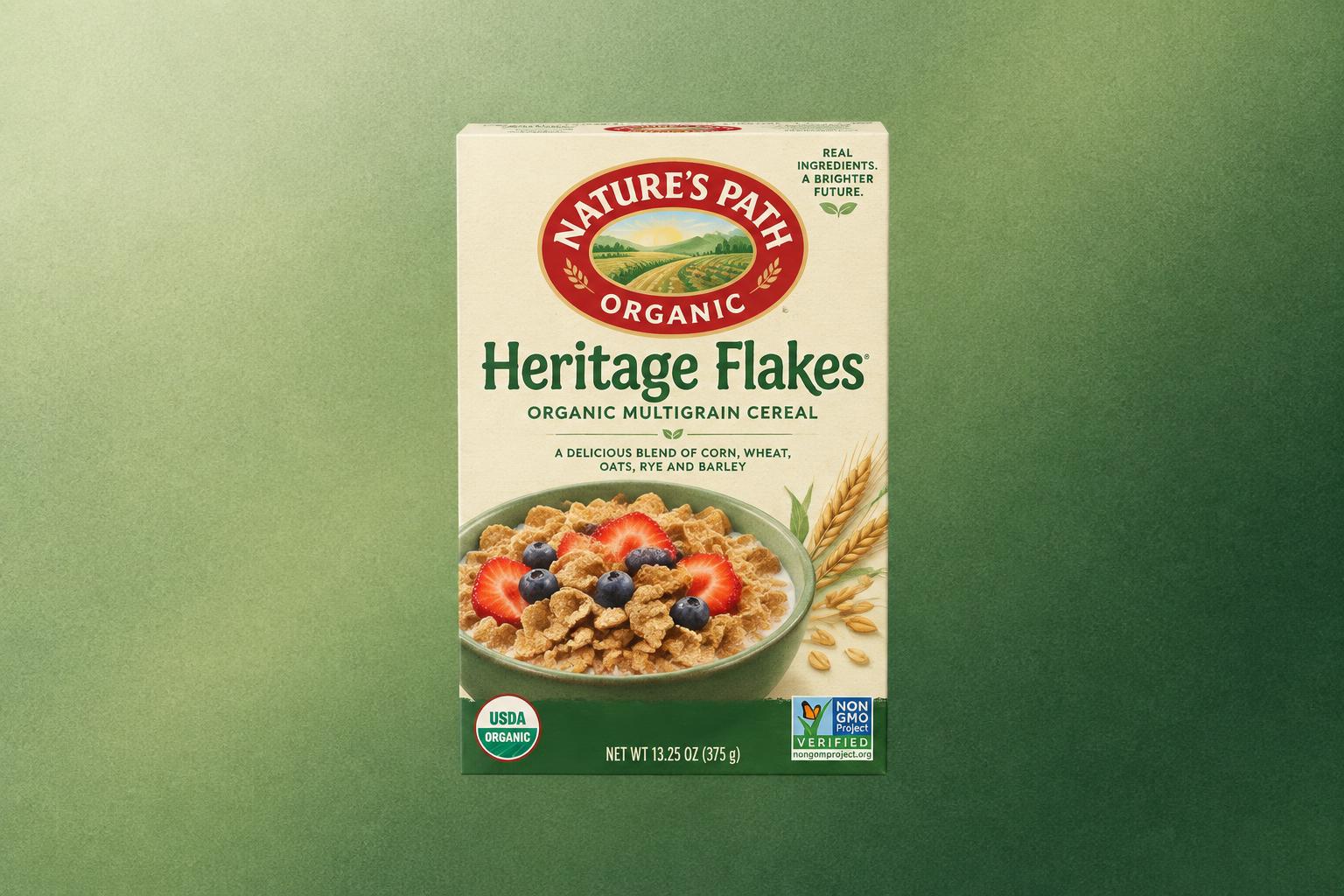
One of these labels is a federal certification with inspections and a rulebook. The other is mostly a private seal or a voluntary claim. Here is exactly what organic vs non GMO means on a US package.
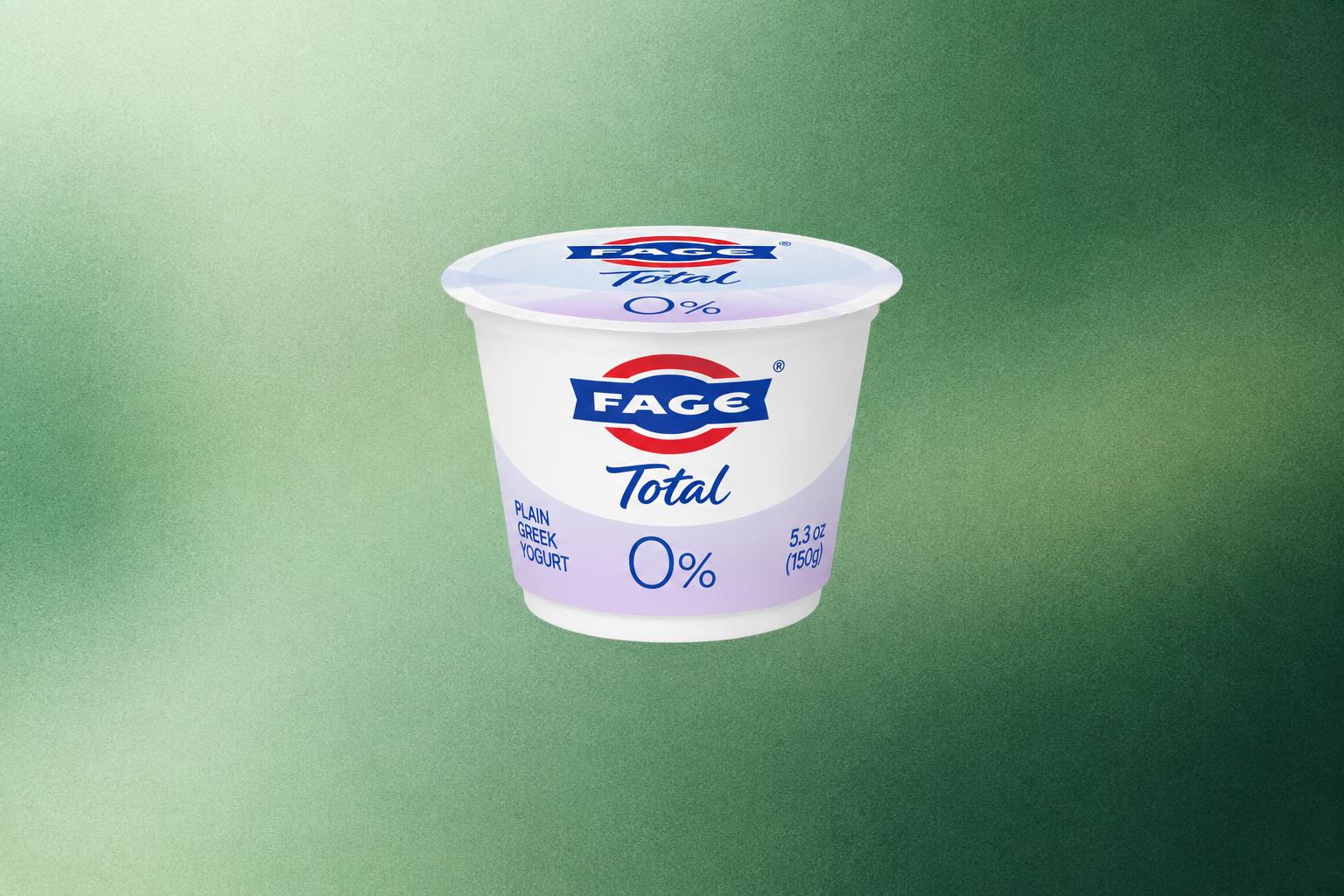
A practical shopping guide to healthy yogurt brands at Target, Costco, Walmart, Whole Foods and Trader Joe's, using protein, added sugar, sodium and ingredient quality instead of front-of-pack claims.
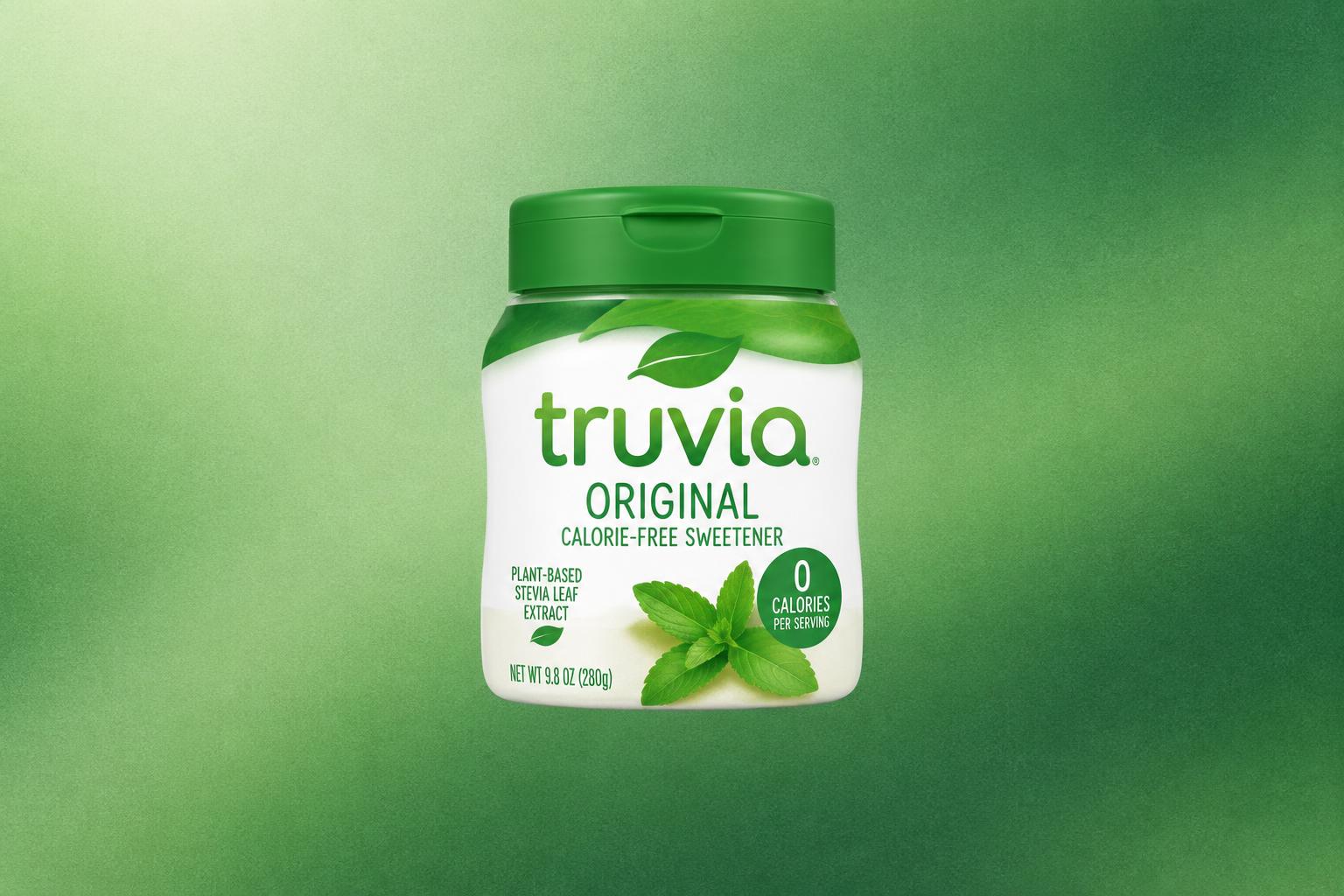
Erythritol and stevia sit side by side in most "no sugar added" products, but they are completely different ingredients. Here is how each one works, why brands blend them, and what to check on US labels.
Yuka scans both groceries and cosmetics, while Think Dirty only scans beauty and personal care. Here is how the two apps score products, how well they cover US shelves, and which one earns a spot on your phone.
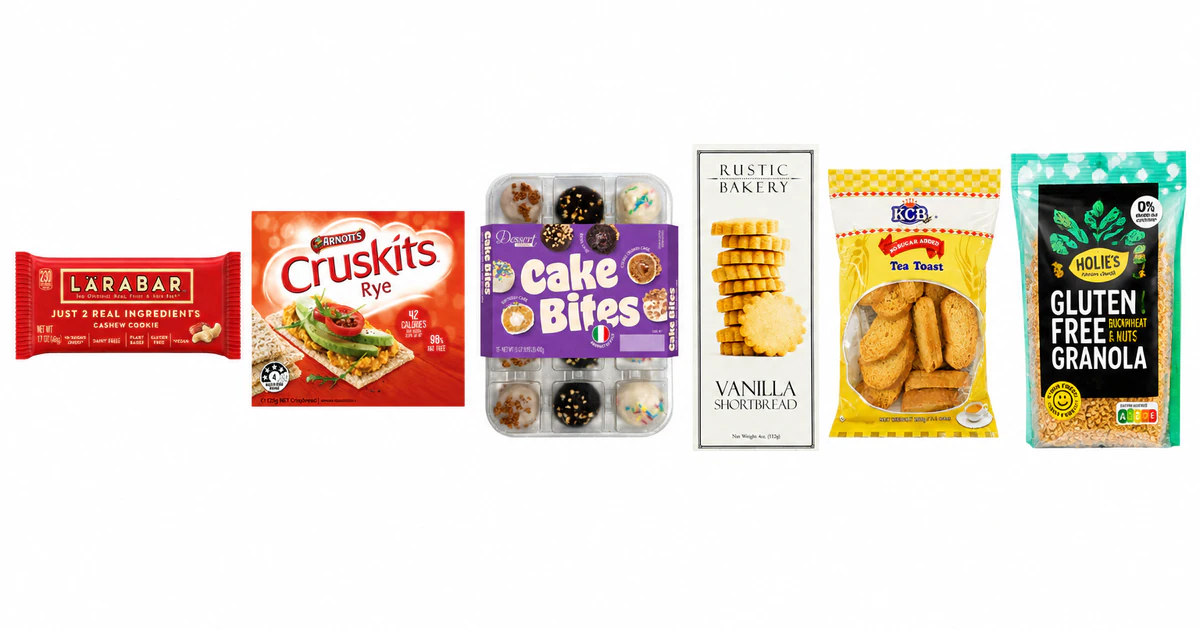
See the six highest-scoring cookies in Osana's database, ranked from 96 down to 86, plus the label cues that separate a solid pick from a sugar-forward one.

Most protein bars land in NOVA group 4, but not all of them do. Here is how to tell the difference in about ten seconds using the ingredient list on a US grocery shelf.
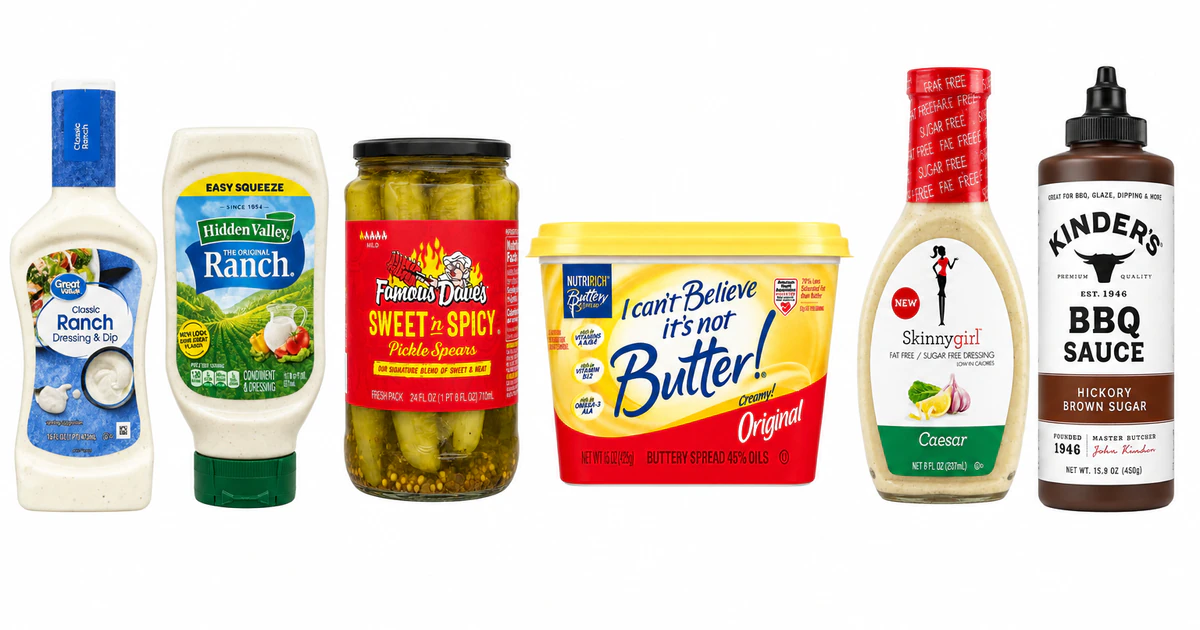
A calm look at six of the lowest-scoring condiments in our database, ranked from lowest to highest score, plus the label cues that help you choose better bottles.
Gluten free does not automatically mean better. Here is how to compare widely available gluten free snacks on protein, fiber, added sugar, sodium and ingredient quality at Target, Costco, Trader Joe's and Walmart.