Brominated vegetable oil ban: why the FDA finally acted
 By Clement7 min read
Find the controversial ingredients already in your kitchen.
Scan packaged foods at home, understand ingredients, and find healthier alternatives in seconds.




 Scan with Osana
Why brominated vegetable oil was banned
Brominated vegetable oil was banned by the FDA in 2024, ending decades of use as an emulsifier in citrus-flavored sodas and sports drinks. The agency revoked its authorization after concluding that BVO is no longer considered safe based on updated toxicological evidence, specifically studies showing that bromine from BVO accumulates in body tissue and can affect thyroid function. If you have older bottles in your pantry or you are shopping for a family, here is what the science actually showed and what it means at the grocery store.
What BVO is and what it was used for
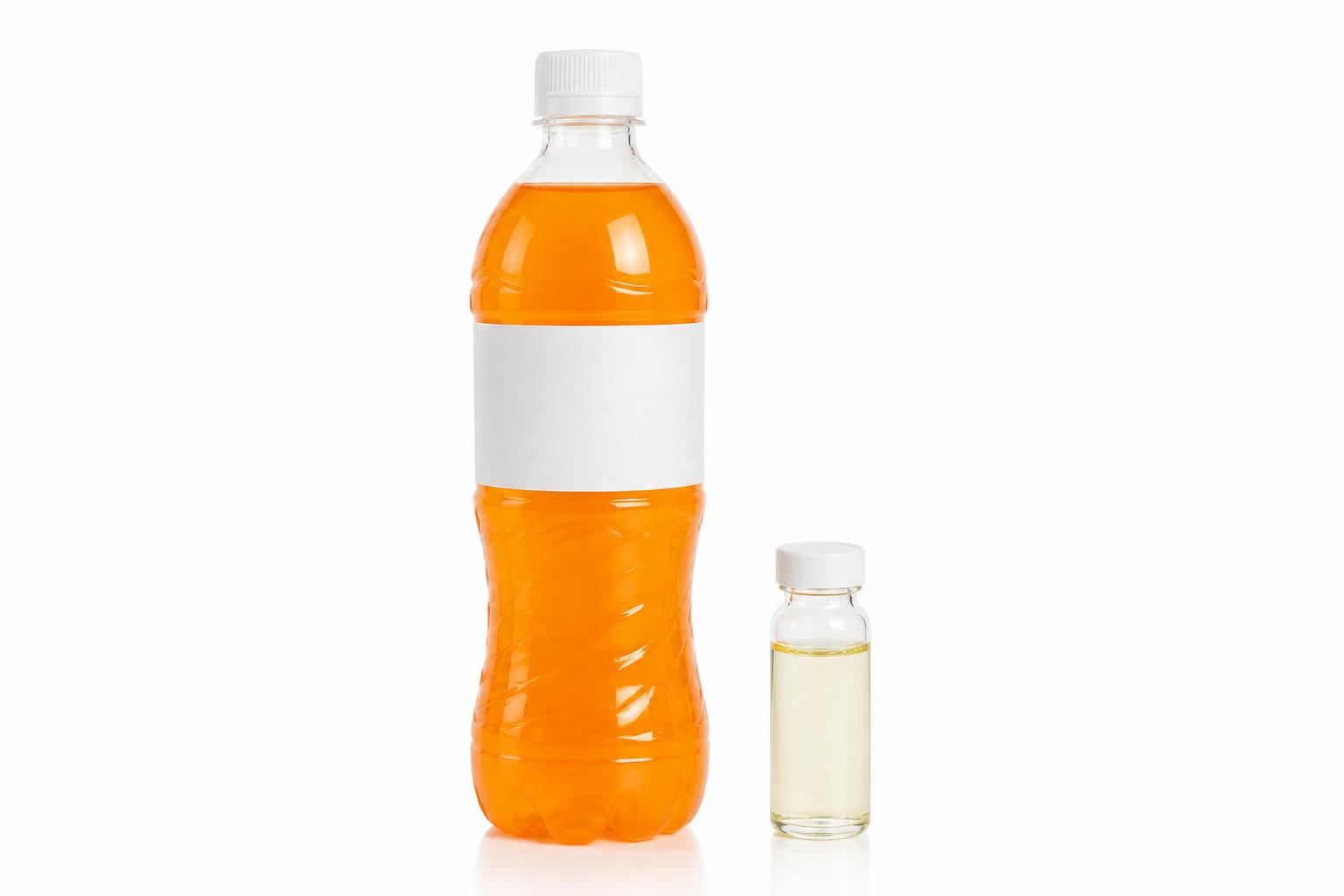
Brominated vegetable oil is a food additive made by bonding bromine to a vegetable oil, typically soybean or corn oil. Its main job in beverages was to keep citrus flavor compounds evenly distributed throughout the liquid rather than floating to the top. Without an emulsifier like BVO, the flavoring in drinks such as Mountain Dew, some Powerade varieties, and store-brand citrus sodas would separate visibly.
The FDA originally placed BVO on its "interim" list of permitted additives in 1970, meaning it was provisionally allowed while more research was conducted. That provisional status lasted more than 50 years, which is part of why consumer advocates and researchers kept raising questions about it.
The science behind the brominated vegetable oil FDA decision
The FDA's 2024 decision was informed primarily by animal studies conducted in collaboration with the National Institutes of Health. Those studies found that bromine accumulates in fatty tissue and in the thyroid gland, and at higher doses caused observable changes in thyroid hormone levels and cardiac tissue in rodents. The full study findings are available through the FDA's official BVO ruling page.
Bromine itself is a halogen in the same chemical family as iodine. Researchers have long hypothesized that excess bromine intake could interfere with iodine uptake in the thyroid, since the two elements compete for the same receptors. While the human exposure levels from soda were generally much lower than the doses used in animal studies, the FDA concluded there was no longer a reasonable certainty of safety, which is the legal standard required to keep an additive authorized.
A published review in Environmental Health Perspectives had previously flagged brominated flame retardants and related compounds as endocrine-disrupting candidates, adding broader context to concerns about organobromine compounds in consumer products.
BVO in soda: which products were affected
BVO was never widespread across all beverages, but it was common in a specific category: citrus-flavored sodas and fruit-flavored sports drinks. Products historically associated with BVO use in the US included:
- Mountain Dew (PepsiCo reformulated before the ban)
- Some Powerade and Gatorade flavor variants
- Sun Drop soda
- Various store-brand orange and citrus sodas at retailers like Walmart and Kroger
Many major brands had already voluntarily removed BVO before the FDA's formal ruling, partly in response to consumer pressure and partly because the EU, Japan, and India had already prohibited it. The FDA ban formalized what the market had largely moved away from, but generic and regional brands were slower to reformulate, which is why label-reading still matters.
How to spot BVO on a label
On an ingredient list, brominated vegetable oil appears as "brominated vegetable oil" or simply "BVO." It will not be hidden under a vague term like "natural flavor" or "emulsifier" in the US, because FDA labeling rules require it to be named specifically.
If you are checking older stock in your pantry or buying a regional soda brand you do not recognize, look for BVO in the ingredients toward the middle or end of the list, usually after the flavoring agents. Because the FDA ban took effect in 2024 with a compliance period for manufacturers, products already on shelves or in distribution during the transition window could still carry it.
This pattern of a long gap between early concern and formal regulatory action is not unique to BVO. The same dynamic played out with Red Dye 3, which the FDA also banned after decades of provisional use. And it echoes the broader story of US food additives currently under FDA review heading into 2026, where several ingredients remain in a similar provisional limbo.
What replaced BVO in reformulated drinks
Manufacturers that removed BVO generally switched to one of two alternatives:
- Sucrose acetate isobutyrate (SAIB): a dense ester that acts as a weighting agent to keep flavors suspended
- Glycerol ester of wood rosin (ester gum): derived from pine tree rosin and approved by the FDA as a weighting agent in beverages
Both alternatives are currently permitted by the FDA and are considered safe at typical use levels. Neither has the same bromine-related concerns. That said, neither has the same decades-long human exposure record that some consumers might want before declaring them fully uncontroversial.
What this means for your grocery cart
For most shoppers today, BVO is no longer a practical concern in mainstream sodas. The real takeaway is about process: an ingredient was provisionally approved, stayed in the food supply for over 50 years, and was removed only after updated animal research and sustained regulatory pressure. That timeline is a useful reminder that "FDA approved" and "FDA approved indefinitely" are not the same thing.
If you drink citrus sodas regularly, especially store-brand or regional varieties, it is worth a quick label check until you confirm the product has been reformulated. And if you are buying for kids, the same habit applies to fruit-flavored sports drinks, which were another common BVO category.
Conclusion
The brominated vegetable oil ban reflects how food safety decisions sometimes take far longer than consumers expect, even when early signals exist. The FDA acted on the best available science, but the 50-year gap between provisional approval and final revocation is a reasonable reason to stay informed about what is in packaged drinks. Reading ingredient labels is the most direct tool available, and scanning them is even faster. If you want to check your pantry or spot-check a new beverage at the store, Osana lets you scan any barcode or ingredient list and instantly flags additives like BVO, along with cleaner alternatives.
Frequently asked questions
Is BVO still in any drinks sold in the US?
The FDA revoked authorization for BVO in 2024. Most major brands had already reformulated before the ruling. However, products manufactured before the compliance deadline could still be in circulation, so checking labels on older stock or regional brands is still worthwhile.
Why did it take so long to ban BVO?
BVO was placed on an "interim" permitted list in 1970, which allowed continued use while research was ongoing. That provisional status was never formally resolved until the FDA completed updated animal studies in collaboration with the NIH and concluded the safety standard was no longer met.
What does BVO do to the body?
Animal studies showed that bromine from BVO accumulates in fatty tissue and the thyroid gland. At higher doses, changes in thyroid hormone levels and cardiac tissue were observed in rodents. Human exposure from typical soda consumption was lower than study doses, but the FDA determined there was no longer a reasonable certainty of safety.
Which sodas used to contain BVO?
Historically, BVO appeared in Mountain Dew, some Powerade and Gatorade variants, Sun Drop, and various store-brand citrus sodas. Most of these have since been reformulated.
What replaced BVO in sodas?
The most common replacements are sucrose acetate isobutyrate (SAIB) and glycerol ester of wood rosin (ester gum). Both are currently FDA-permitted weighting agents used to keep citrus flavor compounds suspended in beverages.
Is BVO banned in other countries?
Yes. The European Union, Japan, and India had already prohibited BVO before the US ban. The EU's stricter precautionary approach to food additives means several ingredients follow this pattern of being restricted abroad before action is taken in the US.

Choose cleaner swaps before they land in your cart.
Use Osana at Whole Foods, Trader Joe's, Target, Costco, or Walmart to compare labels faster and shop with more confidence.