Food additives list: what they are and how to read them
 By Clement7 min read
Find the controversial ingredients already in your kitchen.
Scan packaged foods at home, understand ingredients, and find healthier alternatives in seconds.




 Scan with Osana
What is a food additives list?
A food additives list is the portion of an ingredient label that names every substance added to a product beyond its core ingredients. The FDA defines a food additive as any substance that becomes part of a food product, intentionally or indirectly, during processing, packaging, or storage. Understanding these entries helps you make faster, more informed choices at the grocery store without needing a chemistry degree.
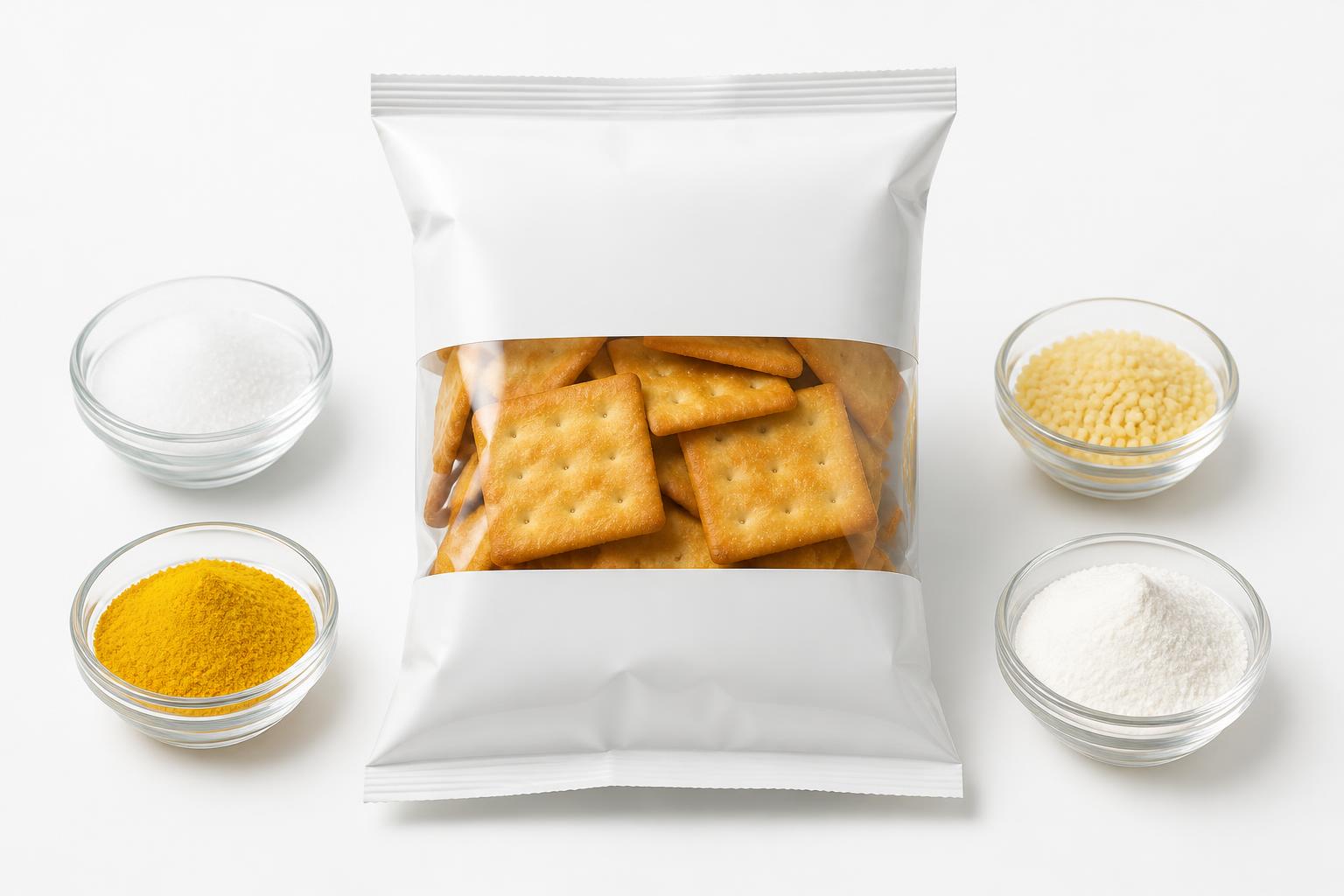
Why manufacturers use food additives
Food companies add substances to packaged products for a handful of practical reasons:
- Preservation - extending shelf life and preventing spoilage or mold
- Texture and consistency - keeping salad dressings emulsified or giving yogurt a creamy feel
- Color - making cereals, snack chips, and beverages look more appealing
- Flavor enhancement - boosting taste or masking bitterness
- Nutritional fortification - replacing vitamins lost during processing
None of these purposes is inherently harmful, but the sheer number of additives in a single product, and how little many shoppers know about them, is what drives concern.
Types of food additives you will see on US labels
The FDA recognizes several broad categories. Here is a plain-English breakdown of the most common food additives you will encounter at stores like Whole Foods, Target, or Costco.
Preservatives
These slow spoilage caused by bacteria, mold, or oxidation. Examples include sodium benzoate in bottled salad dressings, BHA and BHT in crackers and cereals, and calcium propionate in sandwich bread. The FDA's overview of food ingredients and colors notes that most preservatives are generally recognized as safe (GRAS), though some, like BHA, remain under ongoing scientific review.
Emulsifiers and stabilizers
Emulsifiers keep oil and water from separating. Lecithin (often from soy or sunflower) is one of the most widely used. Carrageenan, derived from seaweed, stabilizes dairy alternatives and infant formula. Some animal studies have raised questions about carrageenan and gut inflammation, though human evidence is still limited.
Artificial and natural colors
Colors make food visually consistent. The FDA food additives list for certified color additives includes dyes like Red 40, Yellow 5, and Blue 1, which are found in everything from sports drinks to fruit snacks. The EU requires a warning label on products containing six specific synthetic dyes, a regulatory gap that many US shoppers find frustrating. If artificial dyes are a concern for your family, choosing cereals without artificial dyes is one practical starting point.
Flavor enhancers
Monosodium glutamate (MSG) is the most recognized, used in chips, soups, and frozen meals. Natural flavors is a catch-all term covering hundreds of compounds derived from plant or animal sources. Because the term is broad, it tells you very little about what is actually in the product.
Sweeteners
Beyond sugar, labels list high fructose corn syrup, sucralose, aspartame, acesulfame potassium, and stevia. Each carries a different evidence profile. The WHO's 2023 guidance on non-sugar sweeteners advises against relying on them for long-term weight management, though it stops short of calling them unsafe at typical intake levels.
Thickeners and gums
Xanthan gum, guar gum, and locust bean gum appear in gluten-free baked goods, plant-based milks, and low-fat dressings. They are generally considered low-risk but can cause digestive discomfort in sensitive individuals.
Leavening and anti-caking agents
Sodium aluminum phosphate helps baked goods rise. Anti-caking agents like silicon dioxide keep powdered products flowing freely. These tend to appear in smaller amounts and receive less public attention than dyes or preservatives.
What the FDA says, and where uncertainty remains
The FDA regulates food additives through two main pathways: formal pre-market approval and the GRAS designation, which allows manufacturers to self-determine safety for substances with a long history of use. Critics, including some researchers and consumer advocates, argue the GRAS pathway creates gaps because companies are not always required to notify the FDA of new GRAS determinations.
A 2021 analysis published in PLOS ONE found that a significant share of GRAS determinations were made by panels with financial ties to the food industry, raising questions about independence. The FDA has acknowledged it does not have a complete inventory of all substances currently in the food supply.
This does not mean every additive is dangerous. Most have decades of use without clear harm at typical dietary levels. But it does mean that "FDA approved" and "proven safe at all exposure levels" are not identical claims, which is worth keeping in mind when reading labels.
How to read a food additives list at the store
Ingredients appear in descending order by weight. Additives are usually near the end of the list, which means they are present in smaller amounts. A few practical habits:
- Count the additives - a product with 10 or more additives is likely highly processed
- Look for familiar names - if you cannot identify most ingredients, that is a signal worth noting
- Compare similar products - two granola bars at the same store can have very different additive profiles
- Check for the EU-restricted list - dyes like Red 40 and Yellow 5 require warning labels in Europe but not in the US
For a broader framework on decoding what is on the back of the package, how to read food ingredient labels walks through the full label structure step by step.
Practical grocery examples
- Packaged bread at Walmart or Target often contains calcium propionate, DATEM, and azodicarbonamide alongside flour and yeast
- Flavored yogurt at Costco may list modified corn starch, carrageenan, and natural flavors in addition to milk and fruit
- Kids' cereals at most major retailers frequently contain BHT, artificial dyes, and trisodium phosphate
- Protein bars sold at Whole Foods can still include sucralose, carrageenan, and multiple gums even when marketed as clean
The category and the retailer do not guarantee a short additive list. Scanning the label directly is the only reliable check.
Conclusion
The food additives list on a US grocery label covers dozens of substances across categories from preservatives to dyes to emulsifiers. Most are FDA-approved, many carry genuine uncertainty in the scientific literature, and a few are restricted or banned in other countries. The practical takeaway is not to avoid all additives but to know which ones appear in your regular purchases and make deliberate choices about them. If you want to do that faster and with less guesswork, Osana lets you scan any barcode or ingredient label and instantly flag the additives that matter most to your family.
Frequently asked questions
How many food additives are approved in the United States?
The FDA has reviewed thousands of substances. Estimates suggest more than 10,000 chemicals are allowed in US food, including direct additives and substances that migrate from packaging, though the exact number is contested because of the GRAS self-determination process.
Are food additives on the FDA food additives list automatically safe?
FDA approval or GRAS status means a substance has met a regulatory safety threshold, but it does not mean all long-term or cumulative exposure questions have been answered. Science continues to evolve on several commonly used additives.
Which food additives are banned in Europe but allowed in the US?
Examples include certain artificial dyes (Red 40, Yellow 5, Yellow 6) that require warning labels in the EU, brominated vegetable oil (BVO), which the FDA banned in 2024 after years of review, and potassium bromate in bread flour, which is still permitted in the US but banned in the EU and UK.
Do natural food additives carry fewer risks than artificial ones?
Not necessarily. "Natural" describes the source, not the safety profile. Carrageenan, for example, is derived from seaweed but has been the subject of ongoing safety debate. Each additive should be evaluated on its own evidence, regardless of origin.
How can I quickly check which additives are in a product I am buying?
Reading the ingredient list is the baseline step. A barcode scanner app that flags specific additives against regulatory databases and scientific evidence can significantly speed up the process, especially for shoppers managing multiple family members' dietary preferences.
Should I try to avoid all food additives?
That is not realistic for most people and may not be necessary. A more useful goal is understanding which additives appear most often in your diet, which ones carry the most scientific uncertainty, and where lower-additive alternatives are easy to find at stores you already shop.

Choose cleaner swaps before they land in your cart.
Use Osana at Whole Foods, Trader Joe's, Target, Costco, or Walmart to compare labels faster and shop with more confidence.