How to read food ingredient labels (a practical guide)
 By Clement7 min read
Find the controversial ingredients already in your kitchen.
Scan packaged foods at home, understand ingredients, and find healthier alternatives in seconds.




 Scan with Osana
How to read food ingredient labels without the overwhelm
Reading a food ingredient label takes about 30 seconds once you know what to look for. The ingredient list tells you what is actually inside a product, in order from most to least by weight, and it is often more useful than the nutrition facts panel when you are trying to avoid specific additives or ultra-processed ingredients.
This guide walks you through the structure of a US ingredient label, what the tricky parts mean, and which red flags are worth your attention at the store.
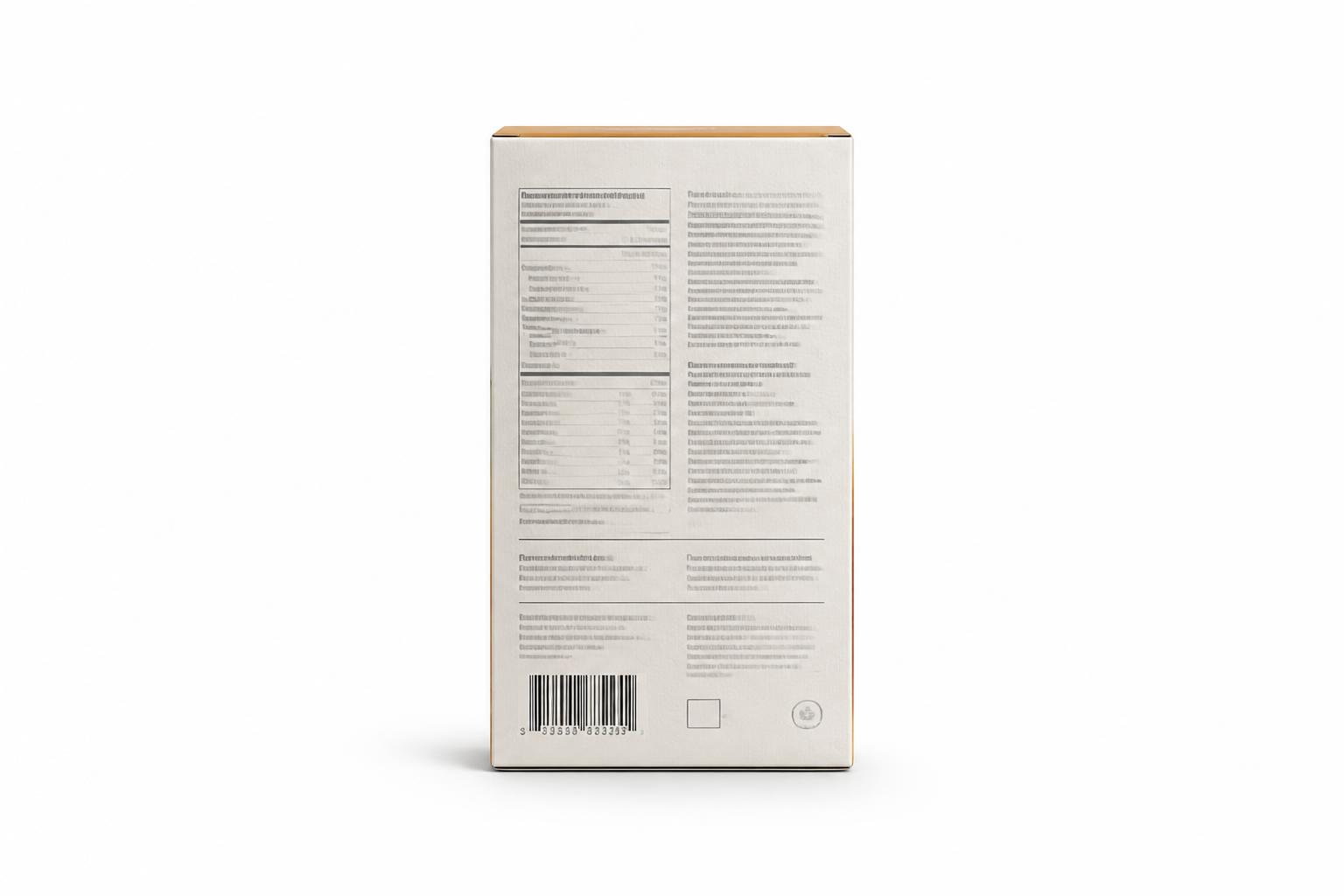
The difference between a nutrition label and an ingredient list
A lot of shoppers focus on the Nutrition Facts panel (calories, fat, sodium, sugar) and skip the ingredient list entirely. These are two separate things, and they tell you different stories.
The FDA requires both panels on most packaged foods sold in the United States. The Nutrition Facts panel gives you quantities. The ingredient list tells you the source of those quantities and what else is in the product.
For example, a granola bar might show 12 grams of sugar on the nutrition label. The ingredient list tells you whether that sugar comes from dates and honey or from high fructose corn syrup, cane syrup, and dextrose listed three separate times. Same number, very different product.
When you are shopping for your family and trying to understand what you are actually buying, the ingredient list is where the real information lives.
How the ingredient list is structured
US labeling rules require ingredients to be listed in descending order by weight. The first ingredient is present in the largest amount. The last ingredient is present in the smallest amount.
A few practical implications:
- If sugar (or any form of sugar) appears in the first three ingredients, the product is likely high in added sugar.
- If whole grain flour appears fifth and enriched white flour appears first, the product is mostly refined flour regardless of what the front of the package says.
- If you see the same ingredient listed under multiple names (corn syrup, dextrose, maltodextrin, cane sugar), the total amount of that ingredient category may be higher than any single entry suggests. This is sometimes called ingredient splitting.
What to look for in the first five ingredients
The first five ingredients make up the bulk of what you are eating. A useful habit is to scan those five before anything else.
At a Whole Foods or Trader Joe's, you will still find products with surprisingly long ingredient lists. Front-of-pack claims like "natural," "made with real fruit," or "no artificial flavors" do not tell you what is in the rest of the list.
Things worth noticing in the first five:
- Refined grains vs. whole grains - enriched flour, bleached flour, and wheat flour are all refined. Look for "whole wheat flour" or "whole grain oats" as the first ingredient.
- Added sugars under different names - cane sugar, brown rice syrup, agave nectar, fruit juice concentrate, and dextrose all count as added sugar.
- Oils - the type of oil matters to many shoppers. Products at Target or Costco often use soybean oil, canola oil, or sunflower oil. If seed oils are something you are tracking, spotting them in packaged foods requires knowing the many names they appear under.
The additives section: what comes after the main ingredients
After the primary ingredients, most processed and ultra-processed products include a cluster of additives: preservatives, emulsifiers, stabilizers, colorings, and flavor compounds. These are typically listed near the end.
Some of these additives are widely considered safe. Others have raised questions in research or have been restricted in other countries, particularly in the European Union.
A few categories worth knowing:
- Preservatives such as BHA, BHT, TBHQ, and calcium propionate extend shelf life. Some carry EU restrictions or warning labels that are not required in the US.
- Artificial dyes such as Red 40, Yellow 5, and Yellow 6 appear in cereals, snack foods, and drinks. The EU requires a warning label on products containing certain dyes; the US does not.
- Emulsifiers and stabilizers such as carrageenan and various phosphates are common in dairy alternatives, deli meats, and baked goods.
- Flavor compounds - the phrase "natural flavors" can cover a broad range of substances. It is one of the most common ingredients on US labels and one of the least transparent. Our guide on what "natural flavors" actually means on a label goes deeper on this.
The FDA's GRAS (Generally Recognized as Safe) system allows many additives to be self-affirmed by manufacturers without independent FDA review, which is one reason some consumer advocates and researchers have called for reform.
A quick ingredient label checklist for the grocery store
Use this when you pick up a product and want a fast read:
- Check ingredient one - is it a whole food or a refined grain or sugar?
- Count sugar sources - how many different sweeteners appear in the list?
- Look at the oil - what kind, and how early does it appear?
- Scan for additives you recognize - dyes, preservatives, emulsifiers.
- Notice the list length - a very long ingredient list often signals a more heavily processed product. Research on ultra-processed food classification generally uses ingredient list complexity as one of its markers.
This does not need to take long. With practice, a 15-second scan covers most of what you need.
Nutrition label vs. ingredients: which one to read first
For most everyday grocery decisions, start with the ingredient list, then glance at the nutrition label for context. The ingredient list tells you what you are eating. The nutrition label tells you how much of certain nutrients you are getting.
If you are managing a specific health condition or tracking macros, the nutrition label matters more. If you are trying to avoid specific additives, seed oils, or ultra-processed formulations, the ingredient list is your primary tool.
Neither panel is complete on its own.
Conclusion
Reading ingredient labels is a skill that gets faster with practice. Start with the first five ingredients, watch for ingredient splitting on added sugars, and give the additive cluster at the end a quick scan. You do not need to memorize every chemical name to shop better. You just need a reliable system.
If you want a faster way to do this in the aisle, Osana is a free food label scanner app for iPhone that reads barcodes and ingredient lists instantly, flags controversial additives, and helps you find cleaner alternatives without standing in the store Googling every ingredient.
Frequently asked questions
What does it mean when ingredients are listed in parentheses?
Parentheses in an ingredient list usually show the sub-ingredients of a compound ingredient. For example, "chocolate chips (sugar, chocolate liquor, cocoa butter, soy lecithin)" breaks down what is inside the chocolate chips. This is required by FDA labeling rules for any ingredient that is itself a mixture.
How can I tell if a product is ultra-processed just from the label?
Look for ingredients you would not find in a home kitchen: emulsifiers, modified starches, hydrolyzed proteins, artificial dyes, and flavor compounds. A long list of these types of ingredients is a reliable signal of heavy processing. The NOVA classification system used by researchers defines ultra-processed foods largely by these additive-heavy formulations.
Is "natural flavors" on a label actually natural?
Not necessarily in the way most people assume. The FDA defines natural flavors as substances derived from plant or animal sources, but the definition is broad and the actual compounds used do not have to be disclosed. A product can contain dozens of chemical compounds under the single label "natural flavors."
Why do some ingredients appear under multiple names?
Manufacturers are required to list each ingredient separately. When a product uses several forms of the same substance (for example, multiple types of sugar), each form gets its own entry. This can make the total amount of that substance less obvious, which is why reading the full list rather than stopping at the first few entries matters.
Do I need to read both the Nutrition Facts panel and the ingredient list?
For most shoppers trying to eat cleaner, yes. The nutrition label shows quantities of key nutrients. The ingredient list shows what the product is actually made from. They complement each other and neither tells the full story alone.
Are US food labels as strict as European ones?
The EU and US have different regulatory frameworks. The EU applies a precautionary principle more broadly, which means some additives permitted in the US carry warning labels or are restricted in Europe. Examples include certain artificial dyes and preservatives. The FDA's current review process for food additives is under ongoing discussion in the US.
Get the cleaner swaps list before your next grocery run.
One short email a week: new label checks and better-for-you products we actually tested.
No spam. Unsubscribe anytime.

Choose cleaner swaps before they land in your cart.
Use Osana at Whole Foods, Trader Joe's, Target, Costco, or Walmart to compare labels faster and shop with more confidence.