What is ultra processed food? A plain-English guide
 By Clement7 min read
Find the controversial ingredients already in your kitchen.
Scan packaged foods at home, understand ingredients, and find healthier alternatives in seconds.




 Scan with Osana
What is ultra processed food?
Ultra-processed food is any product that goes far beyond basic cooking or preservation. It is made mostly from industrial ingredients, like modified starches, hydrogenated oils, protein isolates, and synthetic additives, rather than from whole or minimally processed foods you would recognize in a kitchen. Most ultra-processed foods contain five or more ingredients, many of which exist only to extend shelf life, improve texture, or make the product taste better than it naturally would.
The most widely used academic framework for understanding this is the NOVA classification, developed by researchers at the University of São Paulo. NOVA sorts all foods into four groups based on how much industrial processing they have undergone, not on their nutrient content alone. Group 4 is ultra-processed foods. A 2019 NIH clinical trial found that people eating an ultra-processed diet consumed roughly 500 more calories per day and gained weight faster compared to those eating minimally processed foods, even when both diets were matched for sugar, fat, and fiber on paper.
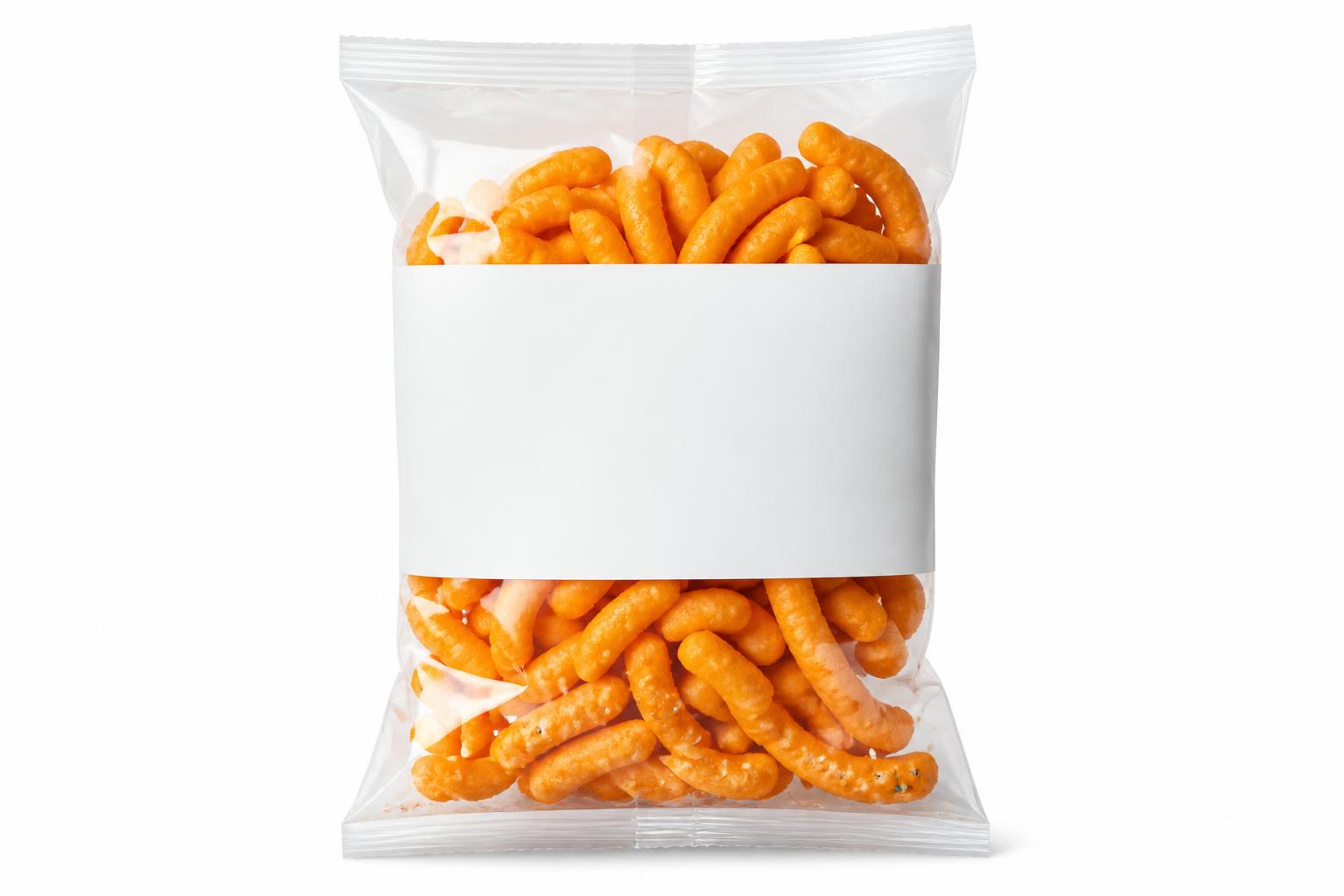
Ultra processed foods definition: the NOVA framework explained
NOVA breaks food into four groups:
- Group 1 - Unprocessed or minimally processed: fresh fruit, plain vegetables, plain meat, eggs, plain milk, dried beans.
- Group 2 - Processed culinary ingredients: butter, olive oil, flour, sugar, salt. These are extracted from Group 1 foods and used in home cooking.
- Group 3 - Processed foods: canned tomatoes, cured meats, cheese, salted nuts, jarred pickles. These use Group 2 ingredients to preserve or enhance Group 1 foods.
- Group 4 - Ultra-processed foods: packaged snacks, breakfast cereals, flavored yogurts, chicken nuggets, soft drinks, instant noodles, plant-based meat alternatives, most store-bought breads, and the vast majority of products in the center aisles of any US grocery store.
The key distinction is not that Group 3 foods are "clean" and Group 4 foods are "bad." It is that Group 4 products are formulated from industrial substances and typically contain additives that serve no culinary purpose at home, things like emulsifiers, artificial colors, flavor enhancers, and preservatives.
According to research published in BMJ Open, ultra-processed foods account for roughly 57 percent of total daily calories in the average American diet. For children and teenagers, that share is even higher.
Processed vs ultra processed: what is the real difference?
This is where most people get confused, and understandably so. The word "processed" gets used loosely on packaging and in wellness content, but it covers a wide range.
Processed food (Group 3) typically has a short, recognizable ingredient list. A can of crushed tomatoes might contain tomatoes, tomato juice, and salt. A block of cheddar cheese contains milk, cultures, salt, and enzymes. You could replicate these at home.
Ultra-processed food (Group 4) cannot be replicated in a home kitchen. A popular brand of flavored cracker might list enriched flour, vegetable oil, maltodextrin, natural flavors, soy lecithin, and several preservatives. The ingredients are not the problem individually, but together they signal a product engineered in a factory rather than cooked in a kitchen.
A useful shortcut at the grocery store: if the ingredient list is longer than five or six items and includes words you would not keep in your pantry, you are likely looking at an ultra-processed product.
UPF examples you will find at any US grocery store
Here are common ultra-processed foods organized by store section:
Breakfast aisle: most boxed cereals, instant oatmeal packets with flavoring, toaster pastries.
Bread and bakery: most sliced sandwich breads, packaged muffins, soft flour tortillas. Many contain additives like azodicarbonamide, a dough conditioner banned in the EU but still permitted in the US.
Snack aisle: flavored chips, cheese crackers, protein bars with long ingredient lists, most granola bars.
Dairy and refrigerated: flavored yogurts with fruit syrups, processed cheese slices, flavored coffee creamers.
Frozen: frozen pizza, chicken nuggets, most frozen dinners, plant-based burgers.
Beverages: sodas, sports drinks, flavored waters with sweeteners, most bottled teas.
Not everything in these sections is ultra-processed. Plain Greek yogurt, frozen plain vegetables, and canned beans without additives are not. Reading the ingredient list is the only reliable way to tell.
Why researchers are paying attention
The health research on ultra-processed foods is still evolving, but the signal is consistent. Large observational studies have linked high UPF consumption to increased risks of obesity, type 2 diabetes, cardiovascular disease, and certain cancers. A 2024 umbrella review in the BMJ analyzed 45 meta-analyses covering nearly 10 million people and found associations between ultra-processed food intake and 32 health outcomes.
Researchers are still working to understand the mechanisms. Possible explanations include the high energy density of UPFs, the displacement of more nutritious foods, the effects of specific additives, and the way ultra-processed products are engineered to encourage overconsumption.
It is worth noting that the NOVA system has critics. Some nutrition scientists argue that classifying foods by processing level rather than nutrient content can mislead consumers, since a highly processed product can still have a reasonable nutrient profile. The debate is ongoing. What most researchers agree on is that a diet built around minimally processed whole foods is associated with better health outcomes.
How to spot ultra-processed foods while grocery shopping
You do not need to memorize NOVA categories in the store aisle. A few practical habits help:
- Scan the ingredient list first, not the front of the package. Front-of-pack claims like "natural," "wholesome," or "made with real fruit" are marketing language with no strict legal definition.
- Count the ingredients. More than five or six, especially with chemical-sounding names, is a signal worth noting.
- Look for additives with functional names. Words like "emulsifier," "stabilizer," "flavor enhancer," or "color" indicate industrial formulation.
- Watch the bread and snack aisles most closely. These are where ultra-processed products are most concentrated in a typical US supermarket.
For example, many common condiments and sauces contain high fructose corn syrup alongside three or four other additives, pushing them firmly into ultra-processed territory even though they sit in a small bottle next to whole ingredients.
Conclusion
Ultra-processed foods are not simply "junk food." They are a broad category of industrially formulated products that dominate US grocery shelves and make up the majority of American calorie intake. Understanding the ultra-processed foods definition, recognizing UPF examples in your own cart, and knowing the difference between processed vs ultra processed gives you a much sharper lens for reading labels. You do not have to avoid every product in Group 4, but knowing what you are buying is a reasonable starting point. If you want a faster way to check what is actually in your groceries, Osana lets you scan any barcode or ingredient label and get an instant breakdown of additives, processing level, and cleaner alternatives.
Frequently asked questions
Is all processed food bad for you?
No. "Processed" covers a wide range, from canned beans and cheese to factory-made snack cakes. The NOVA Group 3 processed foods, like canned tomatoes or plain yogurt, are not the same as ultra-processed Group 4 products. The concern centers on Group 4, not processing in general.
What makes a food ultra-processed vs just processed?
The main signal is the ingredient list. Ultra-processed foods contain industrial substances, such as emulsifiers, synthetic flavors, modified starches, and preservatives, that you would not use in home cooking. Processed foods typically have short, recognizable ingredient lists.
Are plant-based meat alternatives ultra-processed?
Most are. Products like plant-based burgers and nuggets typically contain protein isolates, methylcellulose, natural flavors, and multiple additives. They fall into NOVA Group 4 even though they are marketed as healthier options.
How much of the US food supply is ultra-processed?
Studies estimate that ultra-processed foods account for roughly 57 percent of total daily calories for US adults and an even higher share for children and teenagers.
Can you eat ultra-processed foods occasionally and still eat well?
Most nutrition researchers and dietitians would say yes. The concern is with diets where UPFs dominate overall intake, not with occasional consumption. Building meals around minimally processed whole foods and using UPFs as a smaller portion of the diet is a practical middle ground.
Does the FDA regulate ultra-processed foods as a category?
No. The FDA regulates individual ingredients and additives but does not use the NOVA classification or regulate "ultra-processed" as a legal category. Regulation focuses on specific substances, not the overall level of industrial processing.
Get the cleaner swaps list before your next grocery run.
One short email a week: new label checks and better-for-you products we actually tested.
No spam. Unsubscribe anytime.

Choose cleaner swaps before they land in your cart.
Use Osana at Whole Foods, Trader Joe's, Target, Costco, or Walmart to compare labels faster and shop with more confidence.