Ultra processed foods list: what's actually on it?
 By Clement6 min read
Find the controversial ingredients already in your kitchen.
Scan packaged foods at home, understand ingredients, and find healthier alternatives in seconds.



 Scan with Osana
What counts as ultra processed food?
The ultra processed foods list is longer than most people expect. Ultra processed foods (UPFs) are industrial formulations made mostly from extracted or chemically modified substances rather than whole ingredients. If you want the full definition, our plain-English guide to ultra processed food covers the NOVA classification in detail. This article is purely practical: a category-by-category list you can reference before or during a grocery run.
Researchers at the NIH estimate that ultra processed foods make up roughly 57 to 60 percent of daily calories for the average American adult, and higher shares for children. Knowing which products fall into the UPF category is the first step toward reducing that number for your household.
The ultra processed foods list, aisle by aisle
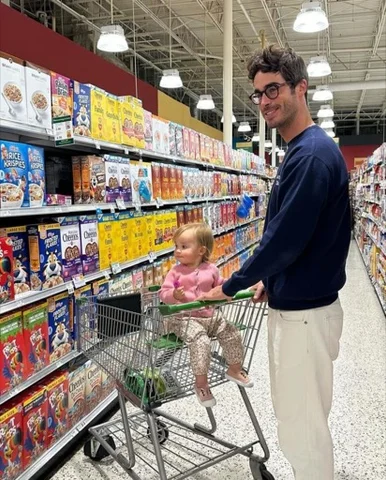
Breakfast and cereal aisle
- Sweetened breakfast cereals (Froot Loops, Honey Smacks, Cap'n Crunch)
- Instant oatmeal packets with flavoring
- Toaster pastries (Pop-Tarts)
- Packaged pancake and waffle mixes with added emulsifiers
- Flavored granola bars and breakfast bars
Most of these contain a combination of refined grains, added sugars, artificial colors, and emulsifiers. Even products marketed as "whole grain" or "heart healthy" can qualify as ultra processed if the ingredient list runs long with additives.
Bread and bakery aisle
- Sliced sandwich bread with more than five or six ingredients
- Hot dog and hamburger buns
- English muffins with dough conditioners
- Packaged muffins, donuts, and pastries
- Shelf-stable tortillas and wraps
Bread is one of the trickiest categories. A sourdough loaf with flour, water, salt, and starter is minimally processed. A standard supermarket loaf with azodicarbonamide, dough conditioners, and preservatives is ultra processed.
Snack aisle
This is where the common ultra processed foods are most concentrated:
- Potato chips and flavored corn chips
- Cheese puffs and cheese crackers
- Microwave popcorn with artificial butter flavoring
- Pretzels with added flavor coatings
- Packaged cookies (Oreos, Chips Ahoy)
- Candy and gummy snacks
- Flavored rice cakes
Ultra processed snacks almost always contain seed oils, emulsifiers, artificial flavors, or synthetic colors. Even snacks sold at Whole Foods or Trader Joe's can qualify if they rely heavily on industrial additives.
Beverages
- Soda and diet soda
- Flavored sports drinks (Gatorade, Powerade)
- Energy drinks
- Packaged fruit-flavored drinks and juice cocktails
- Flavored plant-based milks with added gums and sweeteners
- Instant coffee mixes with creamers
Diet sodas and zero-sugar drinks still qualify as ultra processed because of artificial sweeteners, colorants, and flavor systems. The NOVA classification focuses on the degree of industrial processing, not just sugar content.
Dairy and refrigerated aisle
- Flavored yogurts with fruit preparations and added thickeners
- Processed cheese slices and cheese spreads (Velveeta, American singles)
- Flavored coffee creamers
- Drinkable yogurt with added colors or sweeteners
- Packaged pudding cups
Plain Greek yogurt, regular cheese blocks, and plain milk are generally minimally processed. The moment you add stabilizers, artificial flavors, or synthetic colors, a dairy product moves into UPF territory.
Deli and meat aisle
- Hot dogs and frankfurters
- Deli turkey and chicken slices with added water, starches, and nitrates
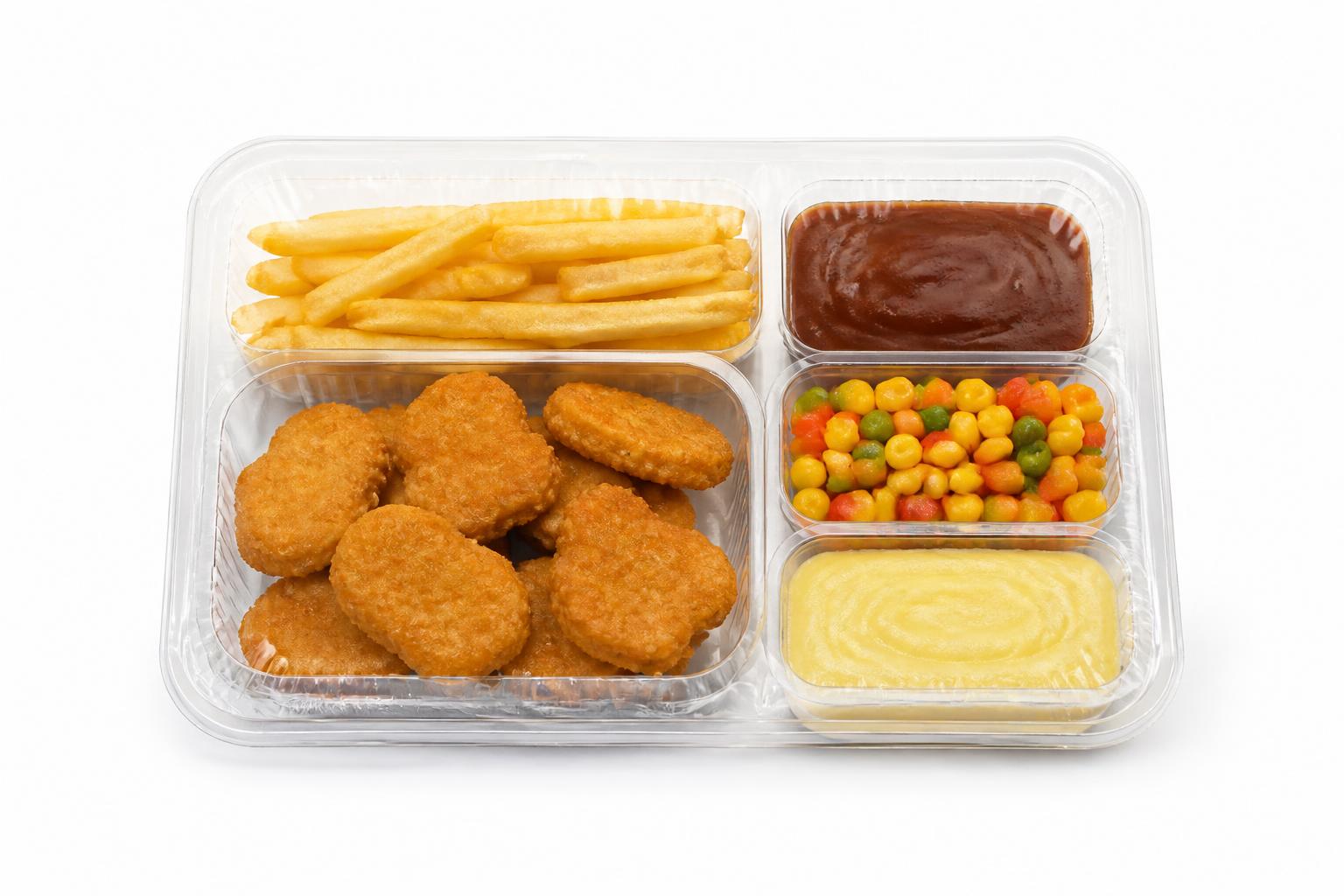
- Chicken nuggets and breaded patties
- Pepperoni and salami with preservatives
- Packaged marinated meats
The World Health Organization has classified processed meats as Group 1 carcinogens based on evidence linking them to colorectal cancer. That does not mean one hot dog causes cancer, but it is worth knowing where these products sit on the processing spectrum.
Frozen aisle
- Frozen pizzas
- Frozen burritos and breakfast sandwiches
- Frozen dinners and meal kits with long ingredient lists
- Breaded frozen fish sticks
- Frozen desserts with stabilizers and artificial flavors
Frozen plain vegetables, plain frozen fruit, and plain frozen fish fillets are not ultra processed. The processing level depends on what was added, not the freezing itself.
Condiments and sauces
- Ketchup with high fructose corn syrup
- Bottled ranch and Caesar dressings
- Packaged gravy mixes
- Jarred cheese sauces
- Flavored mayo spreads with emulsifiers
What is NOT on the ultra processed foods list
It helps to know what does not qualify. Plain canned beans, canned tomatoes, plain pasta, plain rice, frozen vegetables, butter, olive oil, eggs, plain nuts, and fresh produce are all minimally processed or unprocessed. Homemade food made from these ingredients stays out of the UPF category even if you add salt or cook with heat.
The goal is not perfection. Researchers like Dr. Kevin Hall at NIH have shown that diets high in ultra processed foods lead to increased calorie intake and weight gain in controlled settings, but occasional UPFs are not the issue. Frequency and proportion matter most.
How to use this list at the grocery store
- Check ingredient count first. More than five or six ingredients with chemical-sounding names is a signal worth investigating.
- Look for specific additives. Emulsifiers like carrageenan, preservatives like TBHQ, and seed oils in packaged foods are reliable markers of ultra processing.
- Compare products in the same category. In the bread aisle, two loaves can look identical on the front but have very different ingredient lists.
- Do not rely on front-of-pack claims. "Natural," "made with whole grains," and "no artificial colors" do not mean a product is minimally processed.
Conclusion
The UPF list spans nearly every aisle in a standard American grocery store. Knowing which categories to watch, from ultra processed snacks and deli meats to flavored yogurts and soda, gives you a practical starting point without requiring a nutrition degree. Start by swapping the highest-frequency UPFs in your household first, typically snacks, bread, and beverages, and build from there. If you want to check specific products without reading every label yourself, Osana lets you scan a barcode and instantly see additive flags, processing level, and cleaner alternatives.
Frequently asked questions
Is all packaged food ultra processed?
No. Many packaged foods are minimally processed. Canned plain beans, plain frozen vegetables, and plain nuts are packaged but not ultra processed. The key is whether industrial additives, flavor systems, or extracted substances were used.
Are organic products excluded from the ultra processed foods list?
Not automatically. An organic snack bar can still be ultra processed if it contains organic cane sugar, organic rice syrup, emulsifiers, and natural flavors. Organic certification speaks to farming practices, not degree of processing.
Is bread always ultra processed?
No. Bread made from flour, water, salt, and yeast or a natural starter is minimally processed. Most supermarket sandwich breads, however, contain dough conditioners, emulsifiers, and preservatives that push them into the ultra processed category.
Are diet sodas ultra processed?
Yes. Diet sodas contain artificial sweeteners, colorants, and industrial flavor systems. They qualify as ultra processed regardless of their calorie count.
How much ultra processed food is too much?
Research does not set a single threshold, but studies consistently show that diets where UPFs make up more than 20 to 30 percent of calories are associated with worse health outcomes. Most Americans are well above that level.
Can children eat ultra processed foods occasionally?
Occasional consumption is not the same as a diet built around UPFs. The concern is frequency and variety. If ultra processed snacks, cereals, and drinks dominate a child's daily intake, that is worth addressing gradually rather than all at once.
Get the cleaner swaps list before your next grocery run.
One short email a week: new label checks and better-for-you products we actually tested.
No spam. Unsubscribe anytime.

Choose cleaner swaps before they land in your cart.
Use Osana at Whole Foods, Trader Joe's, Target, Costco, or Walmart to compare labels faster and shop with more confidence.