Ingredients to avoid in food labels: a clean label guide
 By Clement7 min read
Find the controversial ingredients already in your kitchen.
Scan packaged foods at home, understand ingredients, and find healthier alternatives in seconds.



 Scan with Osana
The ingredients to avoid in food labels are not always the ones with the scariest-sounding names. Some of the most widely questioned additives hide behind familiar, even friendly-looking words. This guide takes a clean label angle, helping you spot the ingredients that clean eating advocates, nutrition researchers, and increasingly cautious shoppers flag most often at US grocery stores.
Why clean label shopping is growing in the US
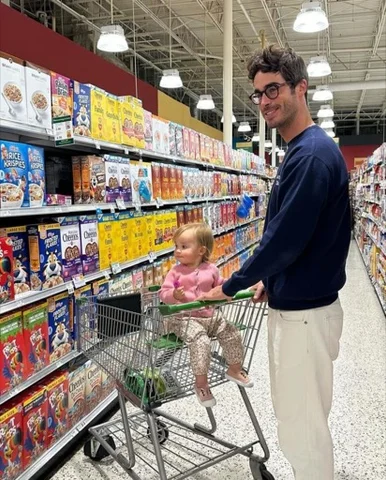
More American shoppers are turning labels over before putting products in their cart. Interest in clean eating, food transparency, and additive awareness has grown steadily, partly driven by viral content comparing US and European food standards. While regulatory differences between the FDA and the EU are real, the cleaner-label movement is less about politics and more about a practical question: what is actually in this product, and do I need it?
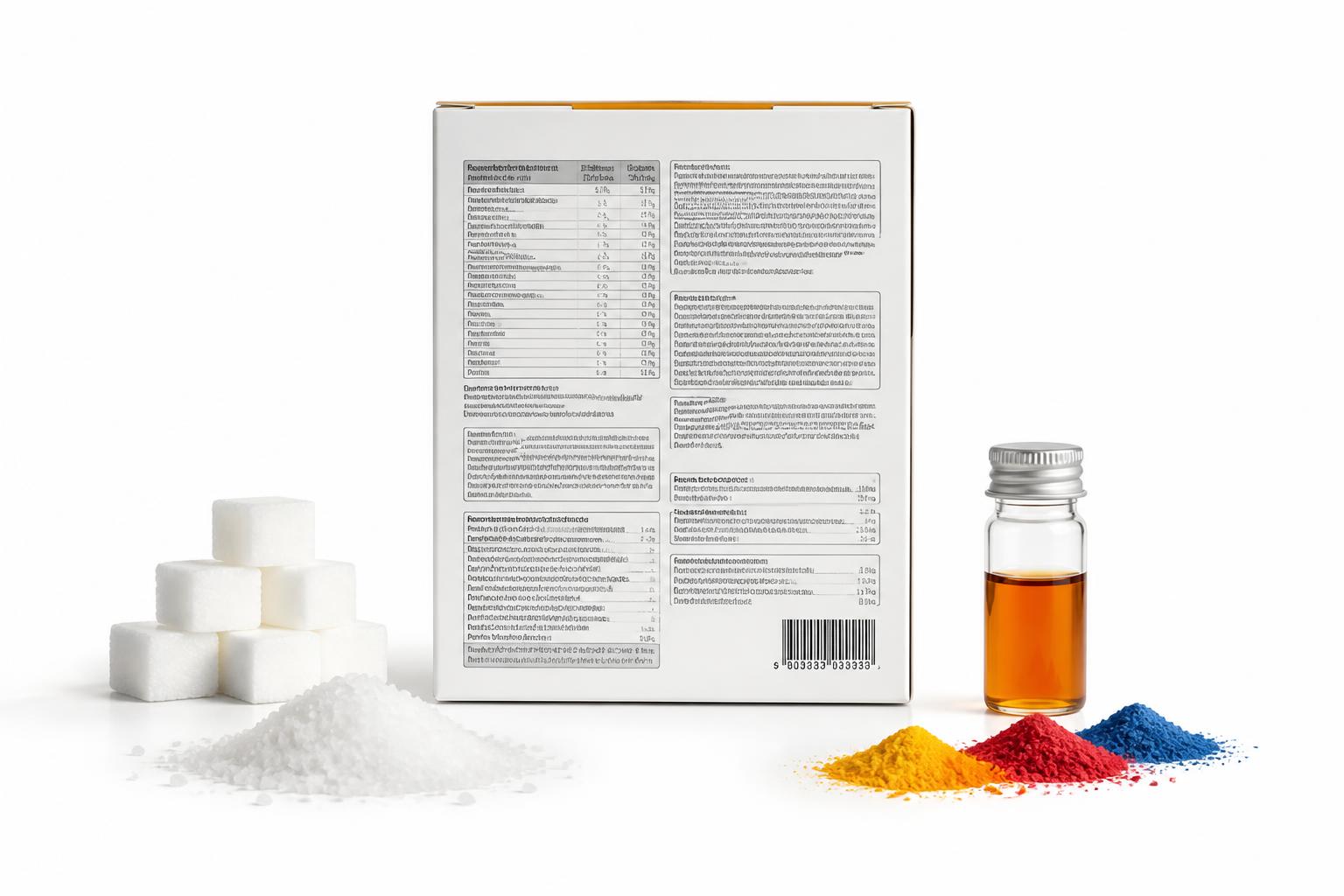
The short answer is that many packaged foods contain additives that serve the manufacturer, not the consumer. They extend shelf life, improve texture, boost color, or mask bland flavors in products that have been heavily processed. Knowing which ones appear most often helps you shop faster and with more confidence.
Common ingredients to watch on US food labels
Artificial colors
Synthetic dyes like Red 40, Yellow 5, Yellow 6, and Blue 1 are found in cereals, fruit snacks, sports drinks, candy, and even some salad dressings. In the EU, products containing certain synthetic dyes must carry a warning label stating the food "may have an adverse effect on activity and attention in children." The FDA has acknowledged ongoing research into these dyes but has not required similar labeling in the US. Clean label shoppers typically prefer products colored with beet juice, turmeric, or spirulina instead.
Synthetic preservatives: BHA, BHT, and TBHQ
These petroleum-derived antioxidants are used to prevent fats and oils from going rancid. You will find them in chips, crackers, cereals, instant noodles, and fast food packaging. The National Toxicology Program has listed BHA as reasonably anticipated to be a human carcinogen at high doses, though the FDA still considers it safe at current food-use levels. TBHQ is restricted in the EU and Japan. For clean label shoppers, rosemary extract or mixed tocopherols are the preferred natural alternatives on ingredient lists.
Carrageenan
Derived from red seaweed, carrageenan is used to thicken and stabilize dairy alternatives, infant formula, deli meats, and yogurt. Some researchers have raised concerns about its potential to trigger gut inflammation, particularly degraded forms. The National Organic Program removed it from the approved list for organic products in 2018, which is a meaningful signal for clean label shoppers even if the FDA still permits it broadly.
High fructose corn syrup
High fructose corn syrup (HFCS) appears in bread, ketchup, yogurt, granola bars, and dozens of products where you would not expect added sugar. It is metabolized differently from regular sucrose and has been linked in some studies to increased triglycerides and fatty liver risk when consumed in excess. Research published in the American Journal of Clinical Nutrition found that HFCS consumption was associated with metabolic risk factors. On a clean label, you want to see whole fruit, honey, or maple syrup, or no added sweetener at all.
Artificial sweeteners
Sucralose, aspartame, acesulfame potassium, and saccharin show up in diet sodas, protein bars, flavored waters, and low-calorie snacks. While they reduce calorie counts, some research suggests they may alter gut microbiota and affect appetite regulation. The WHO issued a guideline in 2023 advising against using non-sugar sweeteners for weight control, noting they do not provide long-term benefit and may carry other risks.
Sodium nitrate and nitrite
These preservatives are used in cured meats, hot dogs, bacon, and deli slices to prevent bacterial growth and maintain pink color. When exposed to high heat, nitrites can form nitrosamines, which are compounds associated with increased cancer risk. The International Agency for Research on Cancer classifies processed meats as Group 1 carcinogens, partly due to nitrite exposure. Clean label versions exist and typically use celery powder as a natural nitrate source, though the health difference is debated.
Maltodextrin
Maltodextrin is a highly processed starch used as a filler, texture agent, or bulking ingredient in protein powders, sauces, and low-fat products. It has a glycemic index higher than table sugar, meaning it spikes blood glucose quickly despite often appearing in products marketed as healthy. It is worth scanning for in any product where you see "modified food starch" or similar vague language.
Natural flavors
"Natural flavors" is one of the most common entries on US ingredient lists, yet it can legally contain hundreds of compounds derived from animal or plant sources, processed with solvents or carriers. It is not necessarily harmful, but it is the opposite of a clean label because it tells you almost nothing about what you are actually consuming. If you want transparency, look for products that list the actual flavoring source, such as "vanilla extract" or "lemon oil."
How to read a label with a clean lens
A useful rule of thumb: if you cannot picture the ingredient in its whole food form, it is worth a second look. Short ingredient lists with recognizable names are the foundation of clean label shopping. Learning how to read food ingredient labels is a practical starting point before you can reliably spot bad ingredients in food.
Also pay attention to where an ingredient appears in the list. Ingredients are listed by weight, so if a sweetener, dye, or preservative appears in the first five positions, it is present in a meaningful amount.
For a broader picture of which products tend to carry the most additives, reviewing an ultra-processed foods list helps you understand which product categories to scrutinize most closely, from flavored yogurts to packaged breads to protein snacks.
The bottom line on toxic ingredients to avoid
No single additive on this list is guaranteed to cause harm at the amounts found in one serving. The concern for most clean eating shoppers is cumulative exposure, eating multiple products daily that each contain two or three of these ingredients. Over weeks and months, that adds up.
The goal of clean label shopping is not perfection or fear. It is making informed choices more often than not, especially for children and family members who eat packaged foods regularly.
If you want to stop squinting at tiny print in the grocery aisle, Osana lets you scan any barcode or ingredient label and instantly see which additives are present, how they are rated, and whether cleaner alternatives exist. If you are still deciding which scanner to use, our guide to the best food scanner apps breaks down the main options.
Frequently asked questions
What are the most important ingredients to avoid in food labels?
The most commonly flagged ingredients include artificial dyes (Red 40, Yellow 5, Yellow 6), synthetic preservatives (BHA, BHT, TBHQ), high fructose corn syrup, carrageenan, and artificial sweeteners. The right list for you depends on your health priorities and how much processed food your household eats.
Are natural flavors bad for you?
Not necessarily, but "natural flavors" is a catch-all term that offers little transparency. It is not a red flag on its own, but it is a sign the product is more processed than one with a straightforward ingredient list.
What does clean label actually mean?
Clean label is not a regulated term. It generally refers to products with short ingredient lists made from recognizable, minimally processed ingredients, without synthetic additives, artificial colors, or chemical preservatives.
Is high fructose corn syrup worse than regular sugar?
Both should be limited. HFCS and sucrose are metabolically similar in moderate amounts, but HFCS tends to appear in products that already contain excess added sugar, making it a useful marker for highly processed foods worth avoiding.
How can I spot these ingredients faster at the store?
Focus on the ingredient list, not the front of the package. Marketing claims like "natural," "wholesome," or "made with real ingredients" are not regulated and can appear on products with long additive lists. Scanning with a food label app is the fastest way to check.
Do European products really have fewer of these ingredients?
Often yes, partly because the EU applies a precautionary principle that restricts or bans certain additives until proven safe, while the FDA tends to permit additives until harm is demonstrated. This is a genuine regulatory difference, though it does not mean all US products are unsafe.
Get the cleaner swaps list before your next grocery run.
One short email a week: new label checks and better-for-you products we actually tested.
No spam. Unsubscribe anytime.

Choose cleaner swaps before they land in your cart.
Use Osana at Whole Foods, Trader Joe's, Target, Costco, or Walmart to compare labels faster and shop with more confidence.