Calcium propionate in bread: what shoppers should know
 By Clement6 min read
Find the controversial ingredients already in your kitchen.
Scan packaged foods at home, understand ingredients, and find healthier alternatives in seconds.




 Scan with Osana
What is calcium propionate in bread?
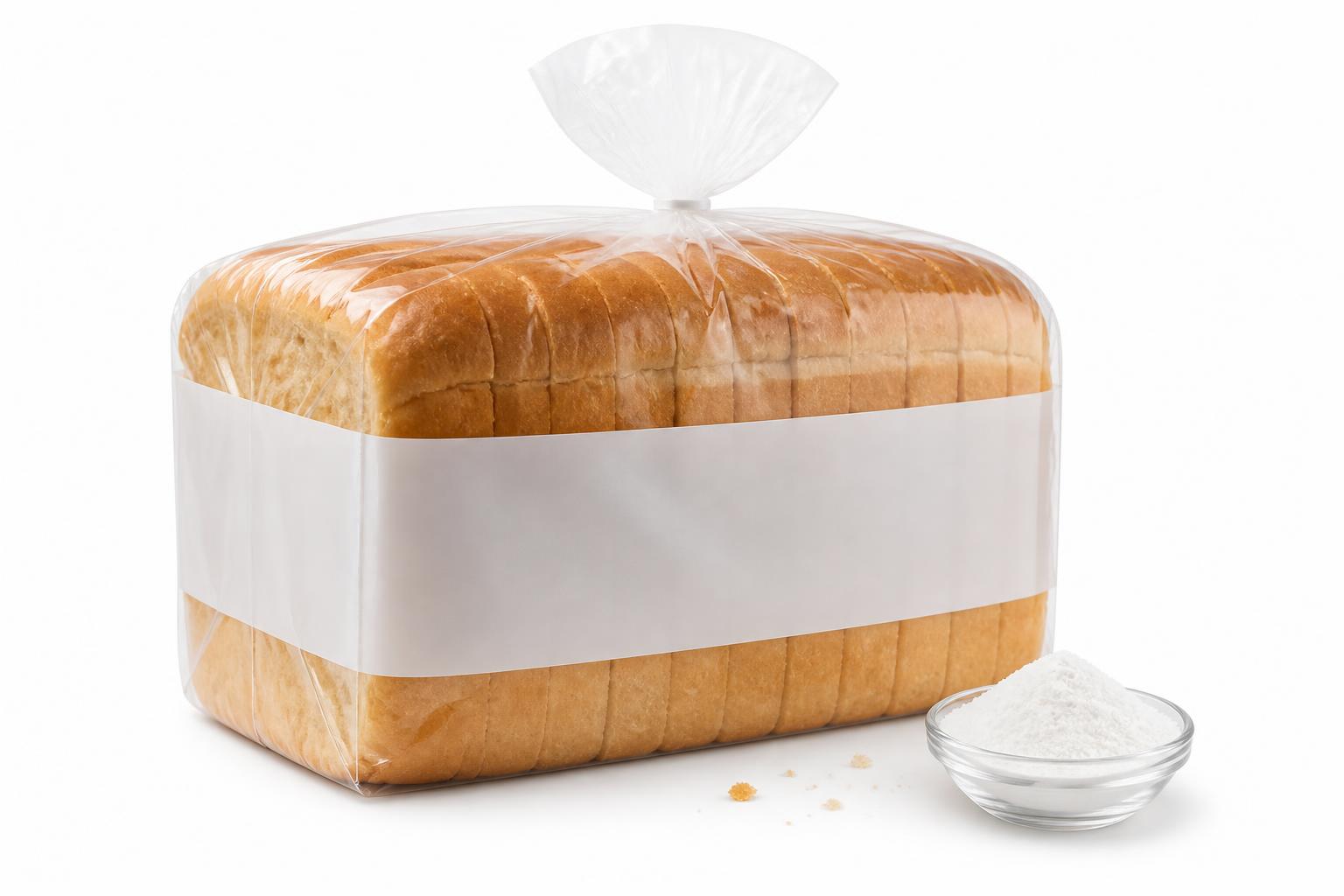
Calcium propionate is a mold inhibitor added to commercially baked bread to extend shelf life and prevent spoilage. It is the most widely used bread preservative in the United States, appearing in sandwich loaves, hamburger buns, hot dog rolls, and packaged tortillas sold at virtually every grocery store from Walmart to Whole Foods. On an ingredient label it shows up as "calcium propionate" or sometimes just "propionic acid, calcium salt."
The additive works by lowering the pH of the bread environment just enough to stop mold and some bacteria from growing, without noticeably changing the taste or texture of the product. That is why a loaf of store-bought white bread can sit on your counter for two weeks while a bakery loaf goes fuzzy in three days.
Is it approved and regulated?
The FDA classifies calcium propionate as Generally Recognized as Safe (GRAS), meaning it was reviewed and deemed safe at typical use levels. The European Food Safety Authority (EFSA) also permits it in bread across EU member states, assigning it the code E282. Unlike some other bread additives, calcium propionate is not banned or restricted in Europe, which is a meaningful distinction worth noting for shoppers who follow ingredient policy differences between the US and EU.
So from a regulatory standpoint, this is not a "banned in Europe" ingredient. It is permitted on both sides of the Atlantic.
What does the research say about calcium propionate side effects?
For most adults, calcium propionate at the levels found in a typical serving of bread is considered low risk. However, the research picture is not entirely blank, and a few findings are worth understanding.
Migraine sensitivity: Some studies and clinical reports have suggested that propionic acid compounds may trigger headaches or migraines in sensitive individuals. A small subset of people who track dietary migraine triggers report bread preservatives as a potential factor, though the evidence is not conclusive.
Children's behavior: A 2002 study published in the Journal of Paediatrics and Child Health found that calcium propionate consumption was associated with irritability, restlessness, and sleep disturbance in some children. The study was small and has not been replicated at scale, so it should be read with appropriate caution. Still, it is a reason some parents choose to limit packaged bread intake for young kids.
Gut microbiome research: More recent animal-based research has examined whether propionic acid at higher doses affects gut bacteria and metabolic signaling. A 2019 study in Science Translational Medicine explored propionic acid's role in metabolic pathways, though it focused on doses far above what you would get from eating bread. The findings do not translate directly to label-level exposure, but they have fueled consumer interest in the ingredient.
The honest summary: at normal dietary levels, calcium propionate is not considered a significant health risk by major regulatory bodies. But the research on sensitive populations, especially children, is enough to make label-reading worthwhile.
Where does it show up on grocery store shelves?
Calcium propionate is extremely common in:
- Sandwich bread - including many national brands sold at Target, Costco, and Walmart
- Hamburger and hot dog buns - standard grocery store varieties almost universally contain it
- English muffins and bagels - especially mass-market versions
- Flour tortillas - most large-format packs use it to hit extended shelf dates
- Pre-made pizza dough - refrigerated and shelf-stable versions
- Some crackers and flatbreads - less common but present in certain products
Bread labeled "no preservatives" or "preservative-free" will not contain it. Sourdough bread made with a live culture naturally resists mold through lactic acid fermentation and typically skips synthetic preservatives entirely. Artisan and bakery-fresh loaves from Whole Foods or Trader Joe's bakery sections are often preservative-free, though you should still check the label because some packaged "artisan-style" breads do contain calcium propionate.
How to read a bread label for this ingredient
Flip the bag and go straight to the ingredient list, not the front-of-pack claims. Look for:
- "Calcium propionate"
- "Propionic acid"
- "E282" (less common on US labels but appears on some imported products)
Ingredients are listed in descending order by weight. Calcium propionate typically appears near the end of the list, which means it is present in small quantities. That context matters when evaluating your overall exposure.
If you are also watching for other bread additives, it is worth knowing that some loaves contain multiple preservatives and dough conditioners at once. For example, some products pair calcium propionate with azodicarbonamide, another bread additive with its own controversy, or with potassium bromate, which is banned in the EU and several US states. Scanning the full ingredient list matters more than checking for any single additive.
Cleaner alternatives to look for
If you want to reduce calcium propionate in your household's diet, these swaps are practical:
- True sourdough bread - naturally fermented, no synthetic preservatives needed
- Sprouted grain bread - brands like Dave's Killer Bread or Food for Life Ezekiel often skip synthetic preservatives (check labels, as formulations vary)
- Bakery-fresh bread - purchased and consumed within a few days
- Homemade bread - no preservatives required when you bake and eat within the week
The trade-off is cost and convenience. Preservative-free bread goes stale or moldy faster, which means more frequent shopping or freezing portions.
Conclusion
Calcium propionate is a legal, widely used bread preservative approved in both the US and EU. The evidence does not support treating it as a high-risk ingredient for healthy adults, but the limited research on children's behavior and migraine sensitivity gives label-conscious shoppers a reasonable basis for wanting to know when it is in their food. Reading the ingredient list takes ten seconds and gives you the information to decide for yourself. If you want a faster way to check every product in your cart, Osana's barcode scanner instantly flags additives like calcium propionate so you can shop with confidence.
Frequently asked questions
Is calcium propionate safe to eat?
Regulatory agencies including the FDA and EFSA consider it safe at the levels used in commercial baking. Some research suggests sensitivity in certain individuals, particularly children, but the evidence is limited.
Why is calcium propionate added to bread?
It is a mold inhibitor that extends shelf life by preventing mold and bacterial growth, allowing packaged bread to stay fresh for days or weeks longer than preservative-free alternatives.
Is calcium propionate banned in Europe?
No. It is permitted in the EU under the code E282 and is approved by the European Food Safety Authority.
What bread does not contain calcium propionate?
True sourdough, many artisan bakery loaves, and some organic or sprouted grain breads skip synthetic preservatives. Always check the ingredient list, as "natural" front-of-pack claims do not guarantee the absence of preservatives.
Can calcium propionate cause headaches or behavior issues in kids?
Some small studies have suggested a possible link to migraines and irritability in sensitive individuals, but the research is not definitive. Parents concerned about these effects may choose to reduce packaged bread consumption and opt for preservative-free alternatives.
How do I find calcium propionate on a label?
Look for "calcium propionate" near the end of the ingredient list. It may also appear as "propionic acid" or "E282" on some products.
Get the cleaner swaps list before your next grocery run.
One short email a week: new label checks and better-for-you products we actually tested.
No spam. Unsubscribe anytime.

Choose cleaner swaps before they land in your cart.
Use Osana at Whole Foods, Trader Joe's, Target, Costco, or Walmart to compare labels faster and shop with more confidence.