Propylparaben in food: what US shoppers need to know
 By Clement6 min read
Find the controversial ingredients already in your kitchen.
Scan packaged foods at home, understand ingredients, and find healthier alternatives in seconds.



 Scan with Osana
What is propylparaben in food?
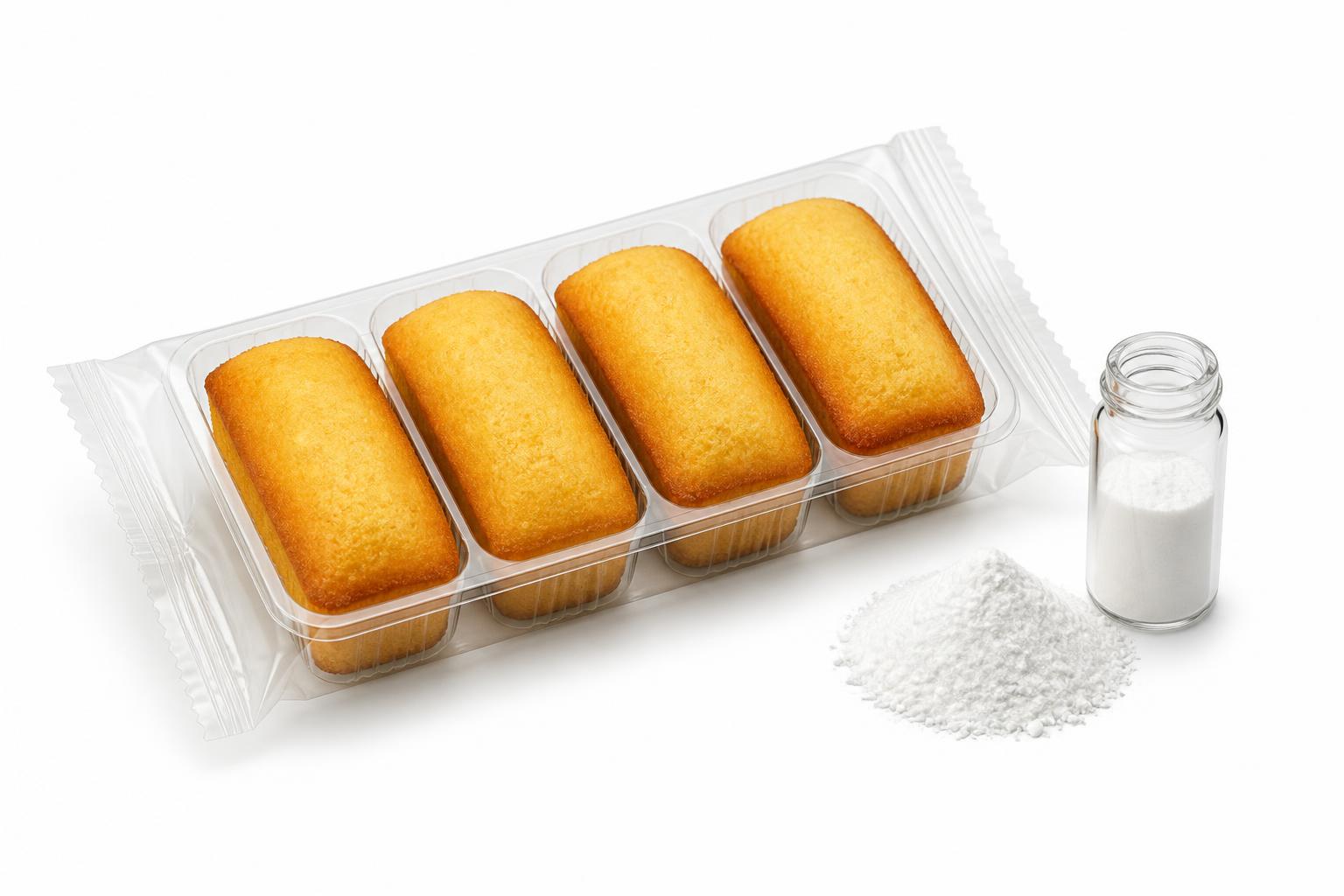
Propylparaben is a synthetic preservative used to extend the shelf life of packaged foods by inhibiting mold and yeast growth. It belongs to the paraben family, a group of compounds also widely used in cosmetics. In the United States, the FDA still classifies propylparaben as Generally Recognized as Safe (GRAS), meaning food manufacturers can use it without additional pre-market approval. If you have ever flipped over a store-bought tortilla or a packaged muffin and spotted "propylparaben" near the bottom of the ingredient list, that is the preservative at work.
Why Europe banned it in food
The European Food Safety Authority (EFSA) reviewed the paraben family in 2004 and again in subsequent years. In 2006, the EU effectively prohibited propylparaben as a food additive, citing concerns about its potential endocrine-disrupting properties. The EFSA opinion noted that propylparaben and butylparaben showed weak estrogenic activity in animal studies, meaning they may interfere with hormone signaling at certain exposure levels.
This is the regulatory gap that frustrates many American shoppers: the same ingredient that is not permitted in European food products can sit legally on grocery shelves in the US. Growing consumer awareness around this gap, fueled partly by social media content about ingredients banned abroad, has pushed more people to read labels carefully.
Where you are most likely to find it
Propylparaben in baked goods is the most common exposure point for US consumers. Look for it in:
- Commercially packaged tortillas (flour tortillas from major brands sold at Walmart, Target, and Costco)
- Store-bought muffins, cakes, and pastries with extended shelf lives
- Packaged bread products at conventional grocery chains
- Some flavored syrups, fruit fillings, and condiments
- Certain pickled or marinated products
At Whole Foods and Trader Joe's, propylparaben is generally less common because both retailers maintain internal ingredient standards that restrict several synthetic preservatives. However, it is still worth checking labels even at stores marketed as health-forward, because not every product on those shelves meets the same bar.
On a label, it may appear as propylparaben, propyl p-hydroxybenzoate, or E216 (though E216 is no longer authorized in EU foods). It is almost always listed near the end of the ingredient list alongside other preservatives.
What the science actually says
The research picture is genuinely mixed, which is worth acknowledging honestly.
Several animal studies have found that propylparaben can act as a weak estrogen mimic, potentially affecting reproductive hormones at higher doses. A 2002 study published in Food and Chemical Toxicology found reduced testosterone levels and sperm production in male rats fed propylparaben. A 2010 review in the Journal of Applied Toxicology summarized endocrine concerns across the paraben class.
Human data is much more limited. Current dietary exposure levels in the US are generally considered low, and no regulatory body has declared propylparaben definitively harmful at typical food doses. The FDA has not issued a safety reassessment specifically for propylparaben in food in recent years, though broader conversations about food additive review timelines are ongoing. For context on which additives are currently under regulatory scrutiny, the article on US food additives under FDA review in 2026 covers the broader landscape.
The precautionary principle, which the EU applies more aggressively than the US, is what drove the European ban. The EU decided that the potential hormonal risk, even if not conclusively proven in humans, was enough to prohibit its use in food. The FDA has not taken the same position.
How to read labels and reduce exposure
If you want to minimize propylparaben in your family's diet, the most practical step is label reading at the point of purchase. Here is a quick approach:
- Check baked goods first. Packaged tortillas, English muffins, and pastries with long shelf lives are the highest-risk categories.
- Look for cleaner preservative alternatives. Vinegar, rosemary extract, and vitamin E (tocopherols) are commonly used in place of parabens by brands that have reformulated.
- Compare store brands vs. name brands. Sometimes a Trader Joe's or store-brand version of a product will have a shorter, cleaner ingredient list than the national brand sitting next to it.
- Do not assume "natural" means paraben-free. The word natural on packaging has no strict FDA definition and does not guarantee the absence of synthetic preservatives.
Propylparaben is not the only preservative worth scrutinizing in the bread and baked goods aisle. Ingredients like potassium bromate in bread raise similar questions about US-versus-EU regulatory differences, and understanding the pattern helps you become a faster, more confident label reader overall.
Putting it in perspective
Propylparaben is not a hidden toxin lurking in every pantry, and a single tortilla is not a health crisis. What it represents, though, is a real and documented regulatory divergence between the US and Europe, one that is entirely reasonable to factor into your grocery decisions. The EU banned it from food out of precaution. The US has not. That gap is a legitimate reason to check your labels, especially for products your children eat regularly or foods you consume multiple times per week.
Being an informed shopper does not require alarm. It requires knowing what to look for, where to look, and how to weigh the available evidence without overcorrecting in either direction.
Conclusion
Propylparaben is a legal food preservative in the United States that has been prohibited in European food products since 2006, primarily over endocrine-disruption concerns. It shows up most often in commercially packaged baked goods and tortillas, and while human evidence at typical dietary doses remains limited, many shoppers reasonably choose to avoid it. Reading ingredient labels at your regular stores, whether that is Walmart, Costco, or Whole Foods, is the most effective way to manage your exposure. If you want a faster way to check every product you pick up, Osana's barcode scanner flags propylparaben and other controversial additives instantly so you can make a confident call in seconds, right in the aisle.
Frequently asked questions
Is propylparaben safe to eat?
US regulators currently classify it as safe at typical dietary exposure levels, but the EU banned it from food in 2006 due to concerns about weak estrogenic activity. Human evidence is limited, and many shoppers choose to avoid it as a precaution.
Why is propylparaben banned in Europe but allowed in the US?
The EU applies a stricter precautionary approach to food additives. When EFSA identified potential hormonal effects in animal studies, the EU removed authorization for propylparaben in food. The FDA has not issued a comparable restriction.
What foods contain propylparaben in the US?
It is most commonly found in packaged flour tortillas, commercially baked muffins, pastries, cakes, and some condiments or fruit fillings with long shelf lives.
How do I spot propylparaben on a label?
Look for "propylparaben," "propyl p-hydroxybenzoate," or occasionally "E216" in the ingredient list. It is usually listed near the end alongside other preservatives.
Are there safer preservative alternatives in baked goods?
Yes. Many brands use vinegar, cultured wheat starch, rosemary extract, or tocopherols (vitamin E) instead of synthetic parabens. These are generally considered lower-concern options.
Does washing or cooking food remove propylparaben?
Propylparaben is incorporated into the food matrix during manufacturing, so washing or additional cooking is unlikely to meaningfully reduce your exposure to it.

Choose cleaner swaps before they land in your cart.
Use Osana at Whole Foods, Trader Joe's, Target, Costco, or Walmart to compare labels faster and shop with more confidence.