Yellow 5 food dye: what parents and snack lovers should know
 By Clement7 min read
Find the controversial ingredients already in your kitchen.
Scan packaged foods at home, understand ingredients, and find healthier alternatives in seconds.



 Scan with Osana
What is yellow 5 food dye?
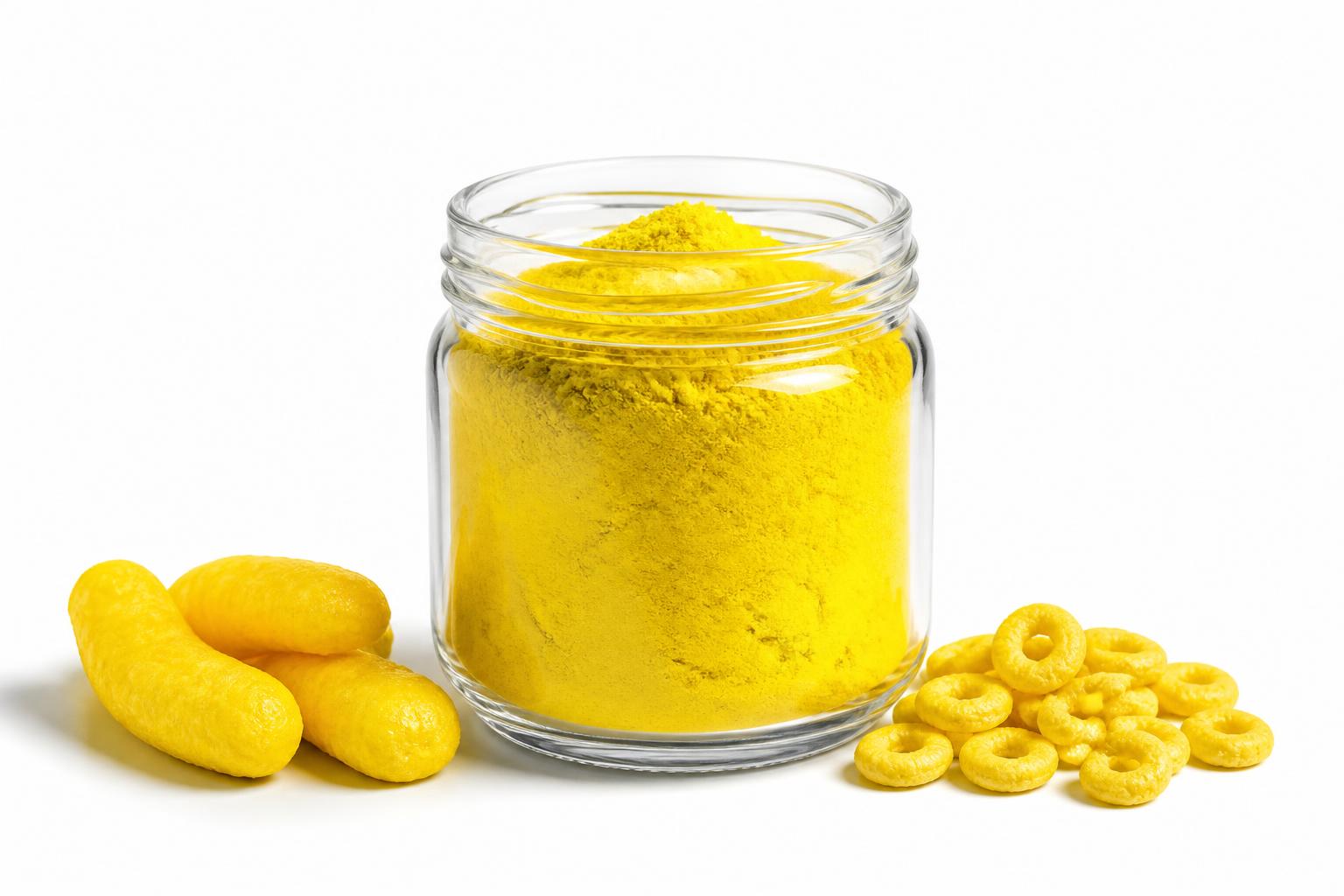
Yellow 5, also known as tartrazine, is a synthetic petroleum-derived dye that gives foods a bright lemon-yellow color. It is one of the most widely used artificial colorings in the United States, showing up in everything from mac and cheese to sports drinks, candy, and breakfast cereals. If you have ever flipped over a bag of chips or a box of fruit-flavored snacks and spotted "Yellow 5" in the ingredients, you are not alone in wondering what it actually does inside your body.
Where yellow 5 shows up in everyday snacks
Tartrazine is not limited to obviously yellow foods. Because it is cheap and stable, manufacturers use it across a surprisingly wide range of products. Common places to find yellow 5 include:
- Chips and crackers: flavored varieties like nacho cheese, ranch, and sour cream often contain it
- Boxed mac and cheese: several national brands use it to achieve that signature orange-yellow color
- Candy and gummies: lemon, lime, and mixed-fruit varieties frequently list it
- Sports and energy drinks: bright yellow or green drinks almost always contain tartrazine
- Breakfast cereals: especially frosted or fruit-flavored options marketed to children
- Pickles and condiments: some brands use it to brighten the color of relish or mustard
- Medications and vitamins: chewable tablets and liquid syrups sometimes contain it, which surprises many parents
If you shop at Target or Walmart and reach for store-brand snacks, yellow 5 is common there too. Even products that do not look yellow can contain it when it is blended with other dyes to create orange or green shades.
What the science says about yellow 5 side effects
The FDA currently classifies yellow 5 as safe for use in food, with a requirement that it be listed by name on ingredient labels specifically because of known sensitivity concerns. That name-disclosure rule is actually stronger than what applies to most other certified dyes.
Here is a fair summary of what research has found:
Allergic reactions and sensitivity
A small percentage of people, particularly those with aspirin sensitivity, experience reactions to tartrazine including hives, itching, or runny nose. The FDA's overview of color additives acknowledges this sensitivity and is part of why yellow 5 requires explicit label disclosure. Reactions are not common in the general population but are real for those affected.
The hyperactivity debate
The most widely discussed concern around yellow 5 side effects involves children and behavior. A 2007 study published in The Lancet found that a mixture of artificial food colors, including tartrazine, combined with the preservative sodium benzoate was associated with increased hyperactivity in children. The study prompted the European Food Safety Authority (EFSA) to recommend that manufacturers voluntarily remove those dyes or add a warning label reading "may have an adverse effect on activity and attention in children."
The FDA reviewed the same evidence in 2011 and concluded it was not sufficient to require a warning label in the US, though the agency noted the topic warranted continued monitoring. That regulatory gap between the US and EU is a recurring source of frustration for parents who follow food safety closely.
What EFSA and international regulators say
In the European Union, yellow 5 is permitted but carries the mandatory warning label mentioned above. The EFSA re-evaluated tartrazine in 2009 and set an acceptable daily intake of 7.5 mg per kilogram of body weight. For a 40-pound child, that threshold can be reached more quickly than many parents realize if the child eats multiple brightly colored snacks in a day.
How to read labels and spot yellow 5
Under FDA rules, yellow 5 must appear by its common name in the ingredient list, not hidden under a vague term like "artificial color." That makes it one of the easier dyes to catch once you know to look for it. Practical tips:
- Scan the ingredient list, not just the front of the package. Front-of-pack claims like "made with real fruit" do not tell you whether synthetic dyes are also present.
- Watch for combinations. Yellow 5 plus Blue 1 creates green. Yellow 5 plus Red 40 creates orange. A product that looks orange or green might still contain tartrazine.
- Check vitamins and medications. Chewable children's vitamins and some liquid medicines use yellow 5 for color. It is worth checking labels even for non-food items your kids consume.
- Look for dye-free alternatives. Many brands now offer versions colored with turmeric, annatto, or beta-carotene instead of synthetic dyes. These are increasingly available at Whole Foods, Trader Joe's, and even mainstream Walmart and Target shelves.
If you are already watching out for other synthetic dyes, you may find it useful to read about Red 40 in food, which often appears alongside yellow 5 in the same products. And for a broader view of which additives are currently under regulatory scrutiny, the piece on US food additives under FDA review in 2026 provides helpful context.
The US vs. Europe gap
One reason yellow 5 gets so much attention in wellness and parenting communities is the visible difference between how the US and EU handle it. The EU warning label requirement means European consumers get an explicit heads-up at point of purchase. US consumers do not. That asymmetry is real, even if the underlying science on risk level is genuinely debated among researchers. Growing consumer interest, including discussions in the MAHA movement, has pushed more brands to voluntarily reformulate, which is a meaningful market shift regardless of where the regulatory debate lands.
Conclusion
Yellow 5 is a legal, widely used food dye with a mixed but not alarming scientific record. The strongest evidence points to sensitivity reactions in a small subset of people and a possible behavioral effect in some children, particularly at higher intake levels. The most practical thing you can do is read ingredient labels carefully, look for dye-free alternatives when they are available, and pay extra attention to products marketed to kids. If you want a faster way to flag tartrazine and other synthetic dyes while you shop, Osana lets you scan any barcode or ingredient label and instantly see which additives are inside, including how they are regulated in the US versus Europe.
Frequently asked questions
Is yellow 5 banned in any countries?
No, yellow 5 is not outright banned in major markets. However, the European Union requires products containing it to carry a warning label stating it "may have an adverse effect on activity and attention in children." It is permitted in the US, Canada, and most other countries.
What foods most commonly contain yellow 5?
Flavored chips, boxed mac and cheese, candy, fruit-flavored drinks, sports drinks, breakfast cereals, pickles, and some chewable vitamins and medications are among the most common sources.
Can yellow 5 cause hyperactivity in children?
Some research, including a notable 2007 Lancet study, found an association between a mix of artificial dyes (including tartrazine) and increased hyperactivity in children. The FDA reviewed this evidence and did not require a warning label, while the EU did. The science is still debated and the effect, if real, appears to vary by child.
Is yellow 5 the same as tartrazine?
Yes. Yellow 5 is the US name used on ingredient labels. Tartrazine is the international and scientific name for the same synthetic dye. In the EU it appears as E102.
How can I avoid yellow 5 in my grocery shopping?
Check the ingredient list on every package since yellow 5 must be listed by name under FDA rules. Look for products colored with natural alternatives like turmeric, beta-carotene, or annatto. Brands at Whole Foods and Trader Joe's tend to avoid synthetic dyes more consistently, but dye-free options are increasingly available at mainstream retailers too.
Does yellow 5 affect adults or only children?
Adults can also react to yellow 5, particularly those with aspirin sensitivity or certain allergies. The hyperactivity concern in the research literature is focused on children, but sensitivity reactions such as hives or itching can occur at any age.

Choose cleaner swaps before they land in your cart.
Use Osana at Whole Foods, Trader Joe's, Target, Costco, or Walmart to compare labels faster and shop with more confidence.