Yellow 6 food dye: what US shoppers need to know
 By Clement7 min read
Find the controversial ingredients already in your kitchen.
Scan packaged foods at home, understand ingredients, and find healthier alternatives in seconds.


 Scan with Osana
What is yellow 6 food dye?
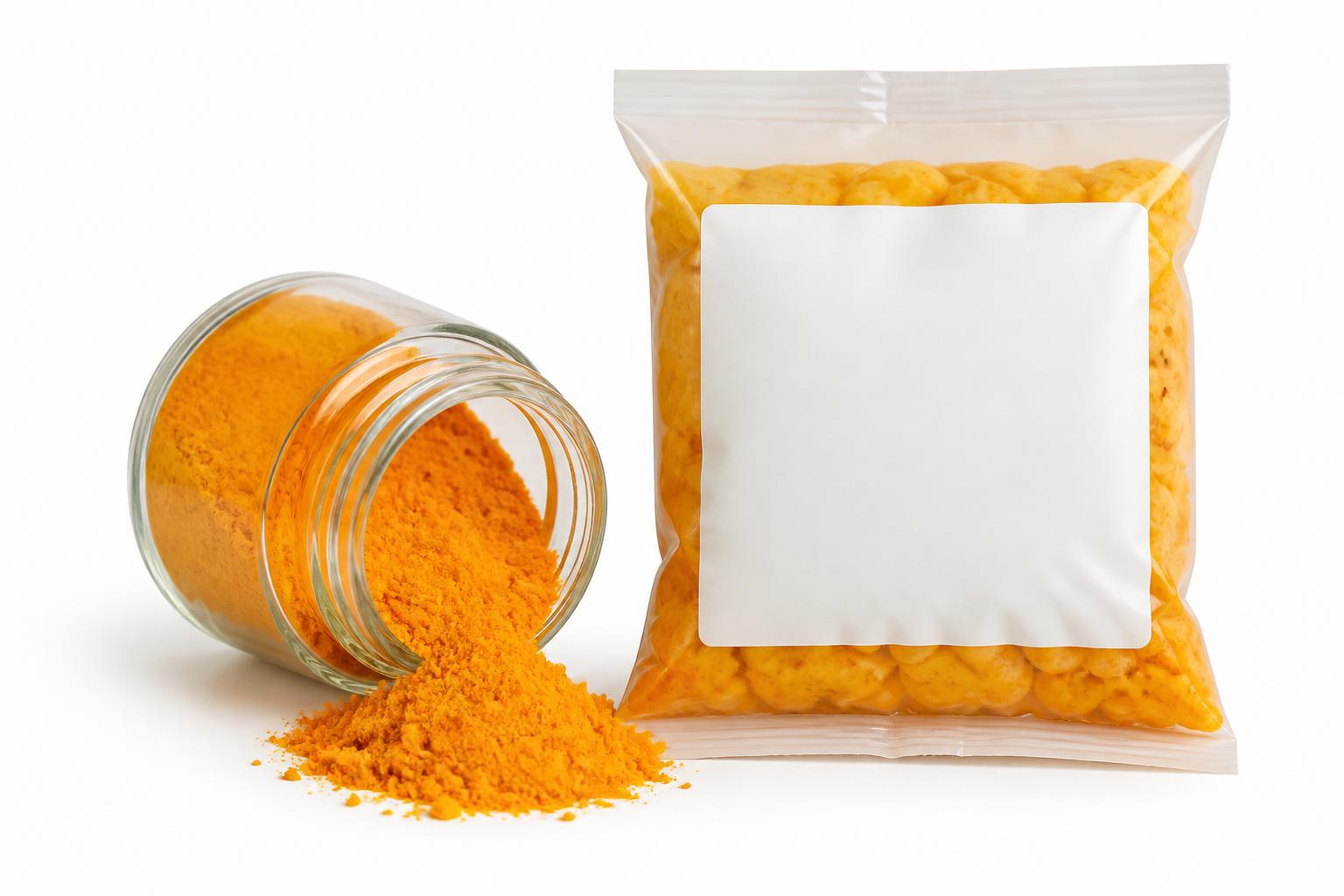
Yellow 6, also called sunset yellow FCF or sunset yellow food dye, is a petroleum-derived synthetic colorant approved by the FDA for use in food, beverages, and cosmetics. It is one of the nine certified artificial colors still permitted in the US food supply, and it shows up in a surprisingly wide range of everyday products, from orange soda and macaroni and cheese to candy-coated snacks and breakfast cereals.
If you have ever picked up a bag of Reese's Pieces, a box of Betty Crocker cake mix, or a bottle of Mountain Dew, you have likely consumed yellow 6. It is also common in yellow 6 in candy products like Skittles and certain Jell-O flavors. The color it produces ranges from a warm yellow to a deep orange, making it popular with food manufacturers who want consistent, eye-catching hues at low cost.
How is it regulated in the US versus Europe?
In the United States, the FDA has approved yellow 6 as a certified color additive and considers it safe at current use levels. Manufacturers are required to list it by name on ingredient labels, which is one of the few transparency rules that actually helps shoppers.
In the European Union, the picture is more complicated. Yellow 6 is permitted but must carry a warning label on any food or drink that contains it, along with five other azo dyes. The label must state: "may have an adverse effect on activity and attention in children." This requirement followed a widely cited 2007 study funded by the UK Food Standards Agency, often called the Southampton study, which found a statistically significant link between a mixture of artificial food colors and increased hyperactivity in children.
The FDA reviewed the same evidence and concluded it was not sufficient to require a warning label in the US, though it did acknowledge the data warranted further study. That regulatory gap is a real one, and it is part of why many parents and health-conscious shoppers have grown skeptical of artificial colors in food.
What does the research actually say?
The science on yellow 6 specifically, as opposed to artificial colors broadly, is still limited. Most behavioral research has looked at color mixtures rather than isolating individual dyes, which makes it hard to assign risk to yellow 6 alone.
What is better documented is a concern around contamination. Yellow 6 has been found to contain trace levels of benzidine and 4-aminobiphenyl, compounds classified as potential human carcinogens by the National Toxicology Program. The FDA has acknowledged these contaminants exist at low levels and argues the exposure is too small to pose a meaningful risk. Independent researchers have pushed back, noting that cumulative exposure across a diet heavy in processed foods could be worth monitoring, especially for young children.
A 2021 report from the California Office of Environmental Health Hazard Assessment reviewed evidence on synthetic food dyes and concluded there was sufficient evidence to support a link between artificial color consumption and increased hyperactivity in some children, particularly those already predisposed to ADHD. Yellow 6 was among the dyes reviewed.
For adults without known sensitivities, the acute risk appears low. However, if you are trying to reduce your family's overall additive load, yellow 6 is a reasonable target given how frequently it appears in ultra-processed snack foods.
Where yellow 6 hides in your grocery cart
Yellow 6 tends to cluster in a specific category of products: brightly colored, shelf-stable, and heavily marketed to children. Here are the most common places to find it:
- Candy and gummy snacks - Skittles, candy corn, and many gummy bears use sunset yellow food dye alongside other artificial colors.
- Chips and crackers - Certain flavored chips, including some cheese-flavored varieties, use yellow 6 for color consistency.
- Breakfast cereals - Many sweetened cereals aimed at kids contain yellow 6, often combined with red 40 and yellow 5.
- Baked goods and mixes - Boxed cake mixes, frosting, and packaged muffins frequently include it.
- Sports drinks and sodas - Orange and yellow-tinted drinks are a major source, including some flavors of Gatorade and Powerade.
- Processed cheese products - Certain mac and cheese products and cheese sauces use it to achieve a consistent orange color.
Reading labels carefully is the most reliable strategy. Under FDA rules, yellow 6 must appear by name in the ingredient list, so you are not looking for a hidden code. The challenge is that ingredient lists can be long and the name can get buried between stabilizers and preservatives.
How yellow 6 compares to yellow 5
Shopper confusion between yellow 5 and yellow 6 is common, and the two dyes do appear together in many products. They are chemically distinct, however. Yellow 5 (tartrazine) is associated more strongly with allergic reactions, particularly in people sensitive to aspirin, while yellow 6 carries the contamination concerns noted above. If you want a deeper look at yellow 5 specifically, the yellow 5 food dye guide for parents and snack lovers covers that dye's profile in detail.
It is also worth noting that artificial colors in food are part of a broader regulatory conversation happening right now. Several dyes are under renewed scrutiny, and the US food additives under FDA review in 2026 covers which ingredients are currently being reassessed and what that means for shoppers.
Practical tips for reducing yellow 6 exposure
You do not need to overhaul your entire pantry overnight. A few targeted swaps go a long way:
- Choose plain or lightly flavored versions of chips, crackers, and cereals. The unflavored versions almost never contain artificial dyes.
- Look for products labeled "no artificial colors" - this phrase is not regulated as tightly as "organic" but it does exclude certified dyes like yellow 6.
- Shop the perimeter first - fresh produce, plain proteins, and dairy generally contain no synthetic colorants.
- Check sports drinks carefully - many parents assume these are cleaner than soda, but the color often comes from the same synthetic dyes.
- Use natural color alternatives as a benchmark - products that use turmeric, annatto, or beta-carotene for color are typically a sign of a less processed formulation overall.
Our guide to Blue 1 food dye covers the other widely used blue colorant and its current FDA status.
Conclusion
Yellow 6 food dye is legal in the US, widely used, and considered safe at current levels by the FDA. At the same time, the EU warning label requirement, the contamination data, and the growing body of research on artificial colors and children's behavior give health-conscious shoppers reasonable grounds to limit it, especially in products eaten daily by kids. Reading ingredient labels is your best tool, and the name will always appear in plain English when it is present. If you want a faster way to flag yellow 6 and other questionable additives while you shop, Osana can scan any barcode or ingredient label and surface that information instantly.
Frequently asked questions
Is yellow 6 banned in any countries?
Yellow 6 is not fully banned in the EU, but it does require a warning label on products sold there stating it "may have an adverse effect on activity and attention in children." It remains fully approved without warnings in the US.
What foods most commonly contain yellow 6?
Candy, flavored chips, breakfast cereals, sports drinks, boxed baked goods, and processed cheese products are among the most common sources.
Is yellow 6 the same as sunset yellow?
Yes. Sunset yellow FCF is the international name for the same dye. In the US it appears on labels as Yellow 6.
Should I be worried about yellow 6 if my child does not have ADHD?
The research is not conclusive enough to recommend elimination for all children, but reducing overall artificial color intake is a reasonable precaution given the uncertainty, especially if your child eats a lot of brightly colored packaged snacks.
How do I know if a product contains yellow 6?
Under FDA rules, yellow 6 must be listed by name in the ingredient list. Scan the list for "Yellow 6" or "FD&C Yellow No. 6." It will not be hidden under a generic term like "artificial color" alone.
Are natural yellow colorants a safe substitute?
Natural alternatives like turmeric, annatto, and beta-carotene are generally considered lower risk, though some people have sensitivities to annatto. They are widely used in cleaner-label products as direct replacements for synthetic yellow dyes.

Choose cleaner swaps before they land in your cart.
Use Osana at Whole Foods, Trader Joe's, Target, Costco, or Walmart to compare labels faster and shop with more confidence.