Added Sugar vs Total Sugar: How to Read the Label
 By Clement7 min read
Find the controversial ingredients already in your kitchen.
Scan packaged foods at home, understand ingredients, and find healthier alternatives in seconds.




 Scan with Osana
What the difference actually means
Added sugar vs total sugar is one of the most misread lines on any Nutrition Facts panel. Total sugar is every gram of sugar in a serving, whether it came from a naturally occurring source like fruit or milk, or was poured in during manufacturing. Added sugar is only the sugar that was deliberately added during processing, including cane sugar, high-fructose corn syrup, honey, agave, and dozens of other sweeteners. The FDA has required both lines on most packaged food labels since 2020, and understanding the gap between them changes how you shop.
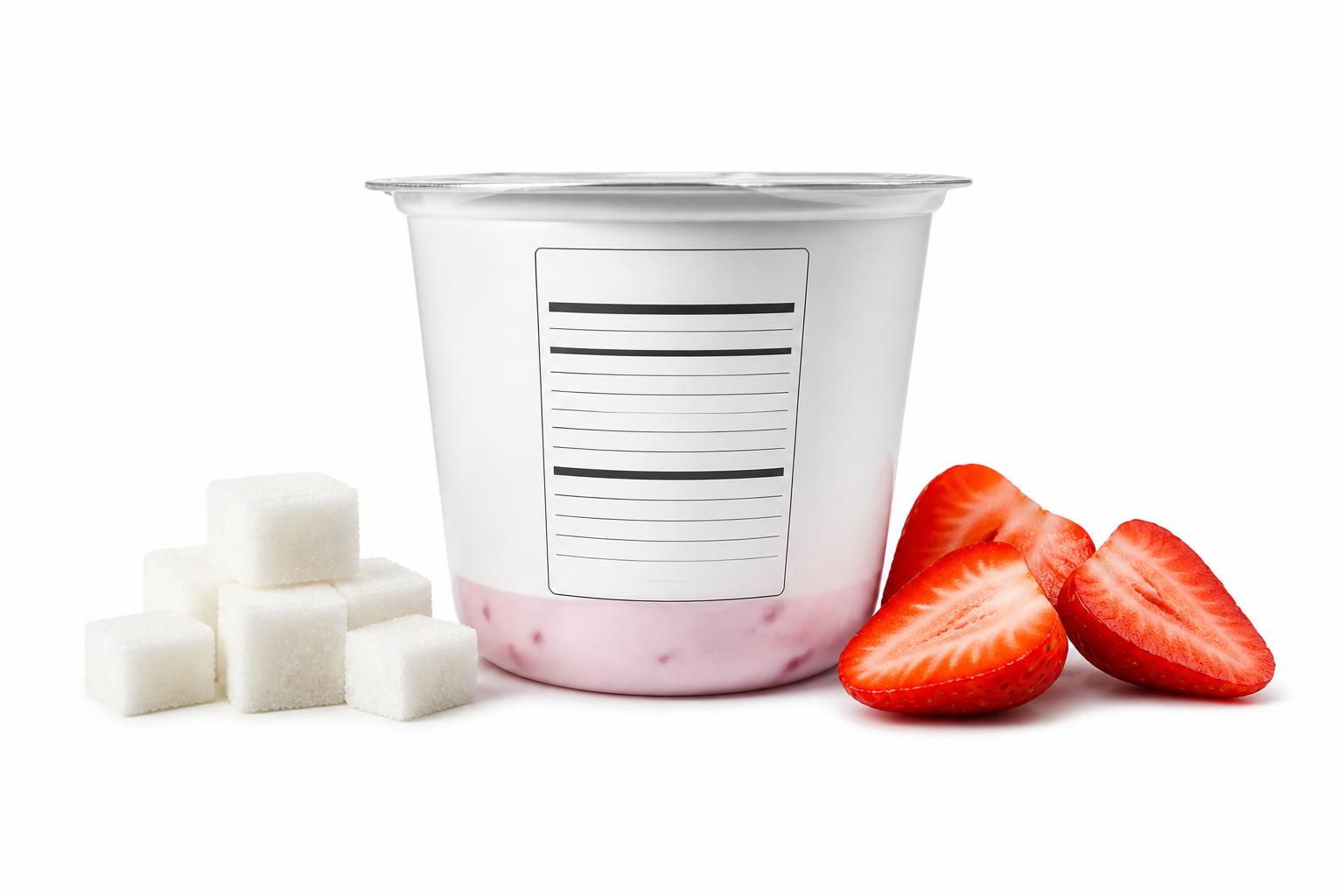
A plain whole-milk yogurt might show 12 g total sugar and 0 g added sugar. That 12 g is lactose, the sugar naturally in milk, and your body processes it alongside protein, fat, and calcium. A flavored yogurt sitting right next to it might show 22 g total sugar and 10 g added sugar. Those extra 10 g were stirred in as a sweetener. Same food category, very different metabolic picture.
How the FDA defines each line
The FDA's updated Nutrition Facts label rule defines added sugars as sugars and syrups added during processing or preparation, plus sugars from concentrated fruit or vegetable juices that exceed what you would get from the same volume of 100 percent juice, and certain other sources like honey and maple syrup when used as ingredients. Naturally occurring sugars in whole fruit, vegetables, plain dairy, and plain grains do not count as added.
The 2020-2025 Dietary Guidelines for Americans recommend keeping added sugar below 10 percent of daily calories, which works out to about 50 g on a 2,000-calorie diet. The American Heart Association sets a stricter target: no more than 25 g per day for women and 36 g for men. Neither guideline restricts naturally occurring sugars in whole foods the same way.
Why this matters on real grocery shelves
Here is where the difference between added and total sugar becomes practical. Consider three products you might pick up at Trader Joe's or Whole Foods on the same trip.
Plain oat milk might list 7 g total sugar and 0 g added sugar. The sugar comes from enzymatic breakdown of oat starch during processing, which the FDA classifies as naturally occurring in this context, not added.
A flavored oat milk might show 13 g total sugar and 7 g added sugar. The base is the same, but cane sugar was added to the formula.
A kids' juice pouch might show 28 g total sugar and 0 g added sugar if it is 100 percent juice. That is a lot of sugar, but it is all naturally occurring fructose from the fruit. The label is technically accurate. Whether 28 g of fruit sugar in a pouch is a healthy choice for a child is a separate question, but it is not the same as 28 g of added sugar in a soda.
This is why you cannot rely on total sugar alone to evaluate a product. A high total sugar number with zero added sugar is a different situation than a lower total sugar number that is mostly added.
Reading the label step by step
- Find the Total Sugars line in the carbohydrate section.
- Look directly below it for the Includes X g Added Sugars sub-line, indented.
- Check the percent Daily Value next to added sugars. The FDA sets 50 g as the daily reference, so 10 g of added sugar equals 20 percent DV.
- Subtract added sugars from total sugars to estimate naturally occurring sugars.
- Cross-check the ingredient list for sweetener names. If you see cane sugar, brown rice syrup, dextrose, or maltose in the first few ingredients, the added sugar line should reflect that. Our guide to hidden names for sugar on US food labels covers more than 50 aliases to watch for.
Products where this gap is most deceptive
- Flavored yogurts and drinkable yogurts - naturally high in lactose plus added sweeteners
- Granola and granola bars - oats have minimal natural sugar, so most of what you see is added
- Pasta sauces - tomatoes contribute some natural sugar, but many jars add cane sugar on top
- Protein bars - total sugar can look modest while added sugar is still significant; see our breakdown of ingredients to avoid in protein bars
- Breakfast cereals - some use fruit pieces or fruit juice concentrate, which inflates total sugar while added sugar may appear lower than expected
- Salad dressings and condiments - small serving sizes mask how quickly added sugar accumulates
What the research says about added sugar specifically
A 2014 JAMA Internal Medicine study found that adults who consumed 17 to 21 percent of calories from added sugar had a 38 percent higher risk of cardiovascular disease mortality compared to those consuming less than 8 percent. The risk was independent of total calorie intake. A 2022 BMJ meta-analysis linked higher added sugar intake to 45 adverse health outcomes including obesity, type 2 diabetes, and certain cancers. Naturally occurring sugars in whole foods did not show the same associations in most of these analyses.
This is the scientific basis for why the FDA created a separate added sugar line in the first place. The distinction is not marketing. It reflects a real difference in how the food was made and, according to current evidence, how it behaves in the body.
Conclusion
When you are standing in the cereal aisle or comparing two yogurts, the gap between total sugar and added sugar tells you something the front of the package never will. A product can look virtuous on the front and carry 15 g of added sugar per serving. The Nutrition Facts panel is where the real answer lives. Read the added sugars sub-line, check the percent Daily Value, and cross-reference the ingredient list for sweetener names. If you want a faster way to do this across your entire cart, Osana can scan the barcode and surface the added sugar line, sweetener aliases, and processing flags in seconds.
Frequently asked questions
Is added sugar worse than total sugar?
Added sugar and total sugar are not directly comparable. Added sugar refers specifically to sweeteners introduced during manufacturing. Research links high added sugar intake to cardiovascular and metabolic risks in ways that naturally occurring sugars in whole foods do not consistently show.
Can a food have more added sugar than total sugar?
No. Added sugar is a subset of total sugar, so it can never exceed total sugar on a label.
Why does 100 percent fruit juice show zero added sugar but still have a lot of total sugar?
The sugars in 100 percent juice are naturally present in the fruit. The FDA does not classify them as added. However, juice lacks the fiber of whole fruit, which affects how quickly those sugars enter the bloodstream.
Does honey count as added sugar on a label?
Yes. When honey is used as an ingredient in a packaged product, the FDA classifies it as an added sugar and it must be counted in the added sugars line.
How do I find added sugar quickly without reading every label?
Look for the indented sub-line directly under Total Sugars on the Nutrition Facts panel. It reads "Includes X g Added Sugars" and includes a percent Daily Value. A barcode scanner app can also pull this data instantly.
What is a reasonable daily limit for added sugar?
The FDA uses 50 g per day as the reference value for percent Daily Value calculations. The American Heart Association recommends no more than 25 g for women and 36 g for men. The Dietary Guidelines for Americans cap it at 10 percent of total daily calories.
Get the cleaner swaps list before your next grocery run.
One short email a week: new label checks and better-for-you products we actually tested.
No spam. Unsubscribe anytime.

Choose cleaner swaps before they land in your cart.
Use Osana at Whole Foods, Trader Joe's, Target, Costco, or Walmart to compare labels faster and shop with more confidence.