Best Healthy Foods at Walmart: 2026 Grocery List
 By Clement8 min read
Find the controversial ingredients already in your kitchen.
Scan packaged foods at home, understand ingredients, and find healthier alternatives in seconds.




 Scan with Osana
Best healthy foods at Walmart, by category
Walmart carries thousands of grocery items, but a focused list of genuinely clean picks across produce, proteins, dairy, pantry staples, and frozen foods makes the trip far less overwhelming. This guide covers the best Walmart foods for healthy eating by category, flags common label red flags to watch, and helps you get in and out with a cart you feel good about. This guide was updated in September 2026. Product availability and formulations change frequently, so always check the current package. We do not list prices because they vary by store and change often.
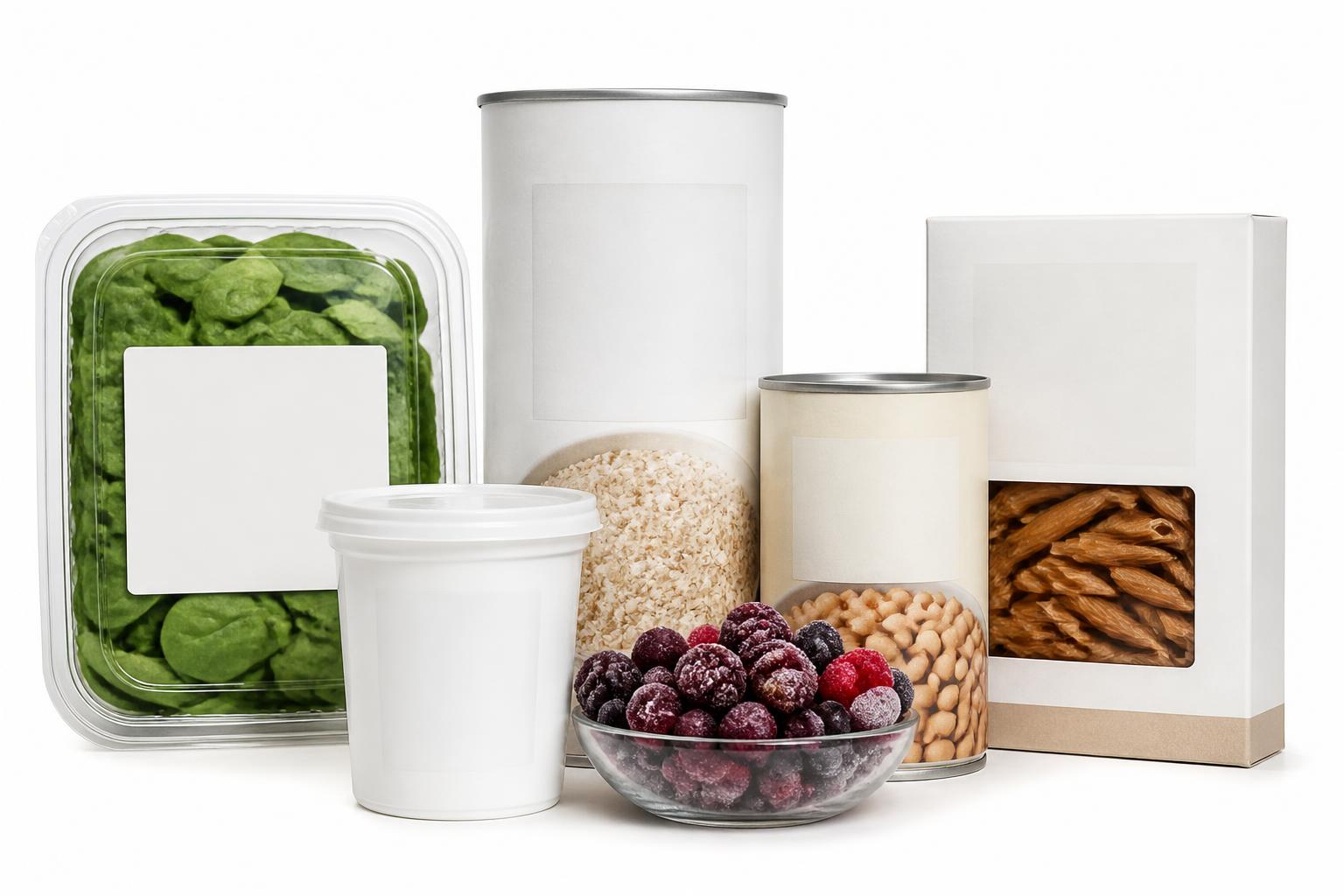
Best healthy foods at Walmart at a glance
| Category | What to look for | Why it is on the list | Check on the label |
|---|---|---|---|
| Fresh produce | Plain fresh or frozen vegetables and fruit | No additive risk and the easiest healthy win | Frozen options: no added sauces, sugar, or salt |
| Proteins | Fresh poultry, fish, and short-list canned goods | Protein and fiber with minimal processing | Added oils, "vegetable broth", sodium, antibiotic claims |
| Dairy | Plain, unsweetened yogurt and milk | Protein and probiotics without added sugar | Added sugar, artificial flavors, carrageenan |
| Pantry staples | Single-ingredient grains, beans, and oils | Low processing and budget-friendly | Oil blends, added sugar, refined seed oils |
| Frozen foods | Plain vegetables and simple entrees | Convenience without heavy additives | Sodium, sauces, emulsifiers, added dyes |
| Snacks | Whole nuts, fruit, and plain popcorn | Satisfying with clean labels | Added sugar, seed oils, artificial dyes |
Fresh produce: the easiest win in the store
The produce section requires zero label reading and is the strongest foundation for healthy Walmart groceries. Walmart's Great Value and store-brand organic lines have expanded considerably, and you can now find USDA Certified Organic options on staples like baby spinach, romaine hearts, and bagged broccoli florets at competitive prices.
Practical picks to look for:
- Organic baby spinach (Great Value Organic), usually priced competitively versus name brands
- Bagged shredded cabbage or coleslaw mix for quick fiber
- Fresh or frozen edamame in the produce cooler
- Whole sweet potatoes, which store well and have a low additive risk
For the anti-inflammatory grocery list, dark leafy greens, berries, and cruciferous vegetables are the backbone. Walmart's produce section covers all three without premium markups.
Proteins: what to look for on the label
Fresh meat and poultry
Walmart's Marketside and Sam's Choice lines include fresh chicken breast, ground turkey, and salmon fillets. For poultry, look for "no antibiotics ever" or "raised without antibiotics" on the package. The USDA defines these claims under specific guidelines, so they carry real weight.
For salmon, wild-caught Alaskan options tend to have simpler ingredient lists than farmed varieties, which sometimes include added color. Check the fine print near the nutrition panel.
Canned and packaged proteins
- Wild Planet Wild Albacore Tuna (available at most Walmart locations): ingredients read "albacore tuna, water" and nothing else. That is the benchmark to aim for.
- Great Value Canned Chickpeas: chickpeas, water, salt. Short list, solid fiber and protein source.
- Vital Farms Pasture-Raised Eggs: Walmart now stocks these in many markets. Look for the orange yolk as a rough freshness and diet indicator.
Avoid canned fish products that list "vegetable broth" without specifying the oil, as this can be a way soybean or cottonseed oil enters the ingredient list quietly.
Dairy and dairy alternatives
This category has wide quality variation at Walmart. A few reliable picks:
- Organic Valley Whole Milk: USDA organic, no added hormones, simple label.
- Stonyfield Organic Plain Whole Milk Yogurt: no artificial flavors, no added sugar in the plain variety. Flavored Stonyfield cups add cane sugar but avoid high-fructose corn syrup and artificial dyes.
- Siggi's Plain Skyr: short ingredient list, high protein, lower sugar than most flavored yogurts. Available at larger Walmart Supercenter locations.
For dairy alternatives, oat milk and almond milk labels vary widely. Check for carrageenan, dipotassium phosphate, and added oils. Elmhurst 1925 Unsweetened Oat Milk has a notably clean label and is stocked at select Walmarts.
Pantry staples: where label reading matters most
Pantry items are where additives accumulate fastest. A few category-by-category notes:
Oils
Walmart stocks California Olive Ranch 100% Extra Virgin Olive Oil, which is one of the more reliably tested EVOO brands in the US market. Avoid blended "olive oil" products that mix in soybean or canola without clear labeling.
Nut butters
Look for peanut or almond butters where the ingredient list is just nuts and salt. Smucker's Natural Peanut Butter (peanuts, salt) is widely available. Avoid varieties with partially hydrogenated oils, though these are less common post-2018 FDA ban on trans fats.
Grains and legumes
Dry lentils, brown rice, and rolled oats from the Great Value line are single-ingredient foods with minimal processing risk. For a fuller framework on what qualifies as minimally processed, the minimally processed foods list is a useful reference.
Condiments and sauces
This is a high-risk zone. Many Walmart pasta sauces and salad dressings contain added sugar, soybean oil, or artificial flavors. Rao's Homemade Marinara is now stocked at Walmart and has a clean label: tomatoes, olive oil, onions, garlic, basil, salt. It costs more than store-brand alternatives but competes well on ingredients.
Frozen foods: quick wins without the additives
Walmart's frozen aisle has improved. Reliable picks include:
- Birds Eye Steamfresh plain vegetables (broccoli, peas, green beans): single-ingredient frozen vegetables with no sauces or additives.
- Trident Wild Alaskan Salmon Burgers: available at Walmart Supercenter, ingredients are salmon and a small amount of natural binder. Check the current label before buying, as formulations can change.
- Cascadian Farm Organic Frozen Fruit: blueberries, strawberries, and mixed berry blends with no added sugar or syrup.
For a deeper look at frozen meal options across retailers, the healthy frozen meals guide covers what to look for and what to skip.
Snacks: keep it brief
Snack quality at Walmart varies significantly. A short rule: whole-food snacks like raw nuts, fresh fruit, and plain popcorn (SkinnyPop Original has a three-ingredient list) are the safest default. For a full breakdown of low-sugar and additive-free snack options across US grocery stores, see the dedicated snack coverage rather than duplicating it here.
A quick label checklist for any Walmart aisle
- Ingredient count: shorter lists generally mean less processing.
- First three ingredients: these make up the bulk of the product by weight.
- Added sugars: the Nutrition Facts panel now lists these separately per FDA rules (FDA added sugars guidance).
- Artificial dyes: Red 40, Yellow 5, Yellow 6 are still permitted in the US but restricted in the EU (EFSA food dye assessments).
- Oils: identify which oil is used. Olive, avocado, and coconut oils are distinct from soybean, corn, and cottonseed oils.
- "Natural flavors": this term is broadly defined by the FDA (FDA flavor definitions) and can cover a wide range of compounds.
Research continues to examine links between ultra-processed food consumption and health outcomes. A large 2024 BMJ review (Monteiro et al., BMJ 2024) found consistent associations between high UPF intake and multiple adverse health markers, reinforcing why label awareness matters.
Conclusion
The best healthy foods at Walmart are not hidden. They are in the produce section, the canned goods aisle with two-ingredient labels, the freezer with plain vegetables, and the dairy cooler with organic options. The work is in skipping past the items that look healthy but carry long additive lists. If you want to move faster through the store without memorizing every ingredient, Osana lets you scan barcodes and ingredient labels in real time to flag additives, ultra-processed scores, and cleaner alternatives before anything goes in your cart.
Frequently asked questions
What are the healthiest foods to buy at Walmart on a budget?
Dry lentils, frozen plain vegetables, canned chickpeas, rolled oats, and eggs consistently offer strong nutrition at low cost. Great Value store-brand versions of these items often have the same short ingredient lists as name brands.
Does Walmart carry organic produce?
Yes. Most Walmart Supercenter locations carry a Great Value Organic line that includes bagged salads, spinach, and some fresh fruit. Selection varies by region and store size.
How do I know if a Walmart product is ultra-processed?
Look for ingredients that would not appear in a home kitchen: emulsifiers like carrageenan or polysorbate 80, artificial flavors, synthetic dyes, or modified starches. The more of these present, the more likely the product falls into the ultra-processed category.
Is Great Value a healthy brand at Walmart?
It depends on the product. Great Value dry beans, frozen vegetables, and plain oats are minimally processed. Great Value cookies, flavored crackers, and sweetened beverages follow the same additive patterns as other conventional brands. Read the label rather than relying on the brand name.
Are Walmart's store-brand products made with the same ingredients as name brands?
Not always. Store brands are often manufactured by third-party co-packers and formulations can differ from name-brand equivalents. Always compare the ingredient list directly rather than assuming parity.
What app can I use to scan groceries at Walmart?
Barcode scanner apps that flag additives, ultra-processed ingredients, and EU-restricted substances are useful for any grocery store trip. Scanning before you buy is faster than reading every label by hand.
Get the cleaner swaps list before your next grocery run.
One short email a week: new label checks and better-for-you products we actually tested.
No spam. Unsubscribe anytime.

Choose cleaner swaps before they land in your cart.
Use Osana at Whole Foods, Trader Joe's, Target, Costco, or Walmart to compare labels faster and shop with more confidence.