Healthy Frozen Meals: The Best Options at US Grocery Stores
 By Clement9 min read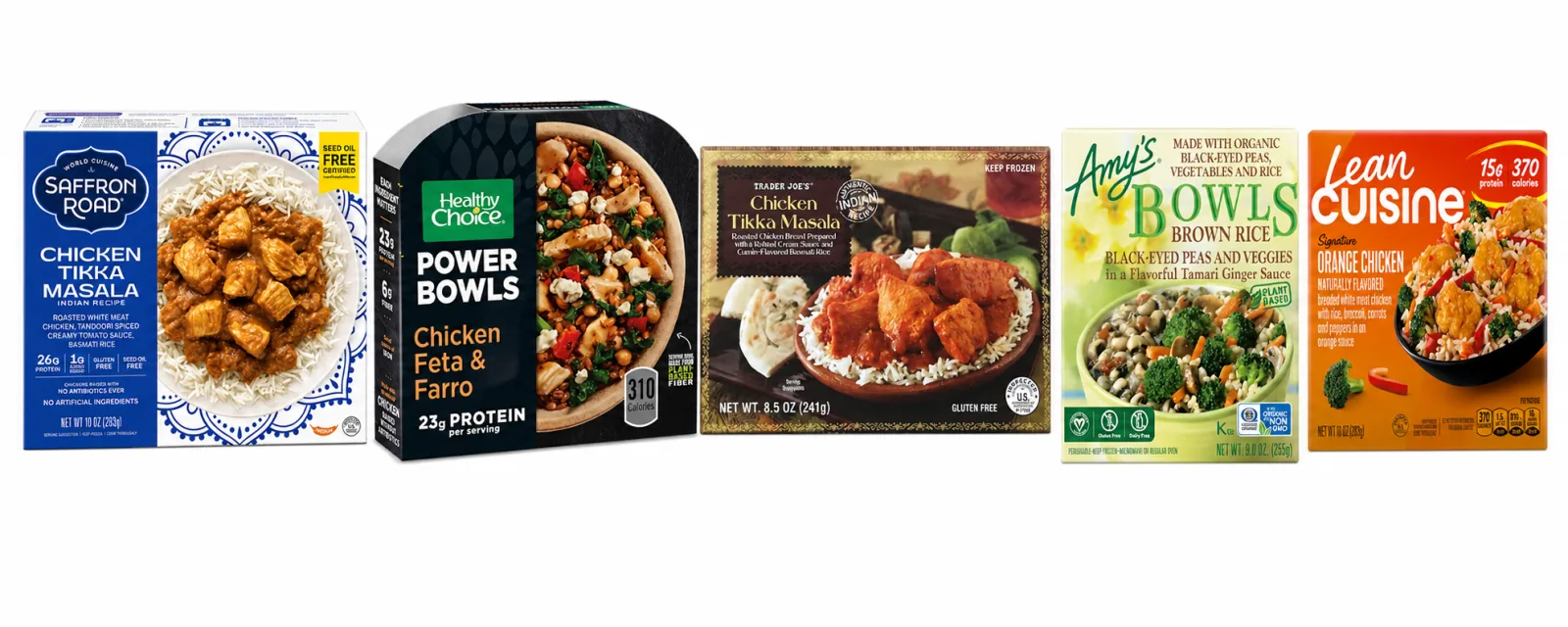

Find the controversial ingredients already in your kitchen.
Scan packaged foods at home, understand ingredients, and find healthier alternatives in seconds.



 Scan with Osana
Quick answer: the healthiest frozen meals at the grocery store have at least 15 g of protein, under 700 mg of sodium, and 4 g or more of fiber, with whole foods like vegetables, beans, or chicken at the top of the ingredient list. Few frozen dinners hit all three, so use these numbers to compare the trade-offs below.
What actually makes a frozen meal healthy?
The healthiest frozen meals do not need to hit one perfect formula. A practical first screen is at least 15 grams of protein, under 700 mg of sodium, and ideally 4 or more grams of fiber, with recognizable whole-food ingredients near the top of the label. Few frozen dinners meet every target, so compare the trade-offs instead of trusting a single front-of-pack claim.
This guide is a practical shopping comparison for US grocery stores. It covers widely available brands, explains what to look for on the Nutrition Facts panel, and flags the ingredient patterns that separate a genuinely nutritious option from one that just looks healthy.
How to choose a healthy frozen meal in 60 seconds
Before comparing brands, know the four numbers worth checking:
- Protein: 15 g or more per serving keeps you full and supports muscle maintenance, which matters more after 40.
- Sodium: The American Heart Association recommends no more than 2,300 mg per day for most adults. A single frozen dinner at 900 mg or above eats up nearly half that budget. Source: American Heart Association sodium guidance
- Fiber: 4 g or more slows digestion and helps with blood sugar stability. Look for whole grains, legumes, or vegetables listed in the first few ingredients.
- Added sugar: Even savory meals can hide 6 to 10 g of added sugar in sauces. The FDA's updated Nutrition Facts label now requires added sugar to be listed separately, so you can spot it quickly. Source: FDA Nutrition Facts label update
For a deeper walkthrough of the full panel, see our Nutrition Facts label explained: a practical US guide.
Healthiest frozen meals at the grocery store
Whole Foods and natural grocery stores
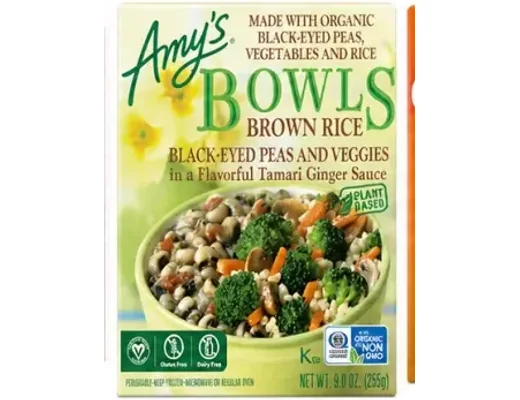
Amy's Kitchen Bowls (widely available at Whole Foods and Target) are a common starting point. The Brown Rice, Black-Eyed Peas and Veggies Bowl delivers around 8 g of protein and 7 g of fiber with a short ingredient list. Sodium sits near 590 mg, which is reasonable. The tradeoff is modest protein for a full meal.
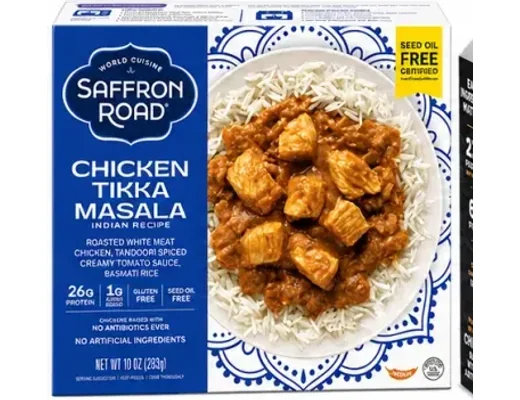
Saffron Road Chicken Tikka Masala currently lists 350 calories, 26 g of protein, 3 g of fiber, and 610 mg of sodium per 10 oz tray. Its ingredient list is comparatively short, and the current recipe uses olive oil rather than seed oils. Check the current Saffron Road product label, because formulas can change.
Tattooed Chef plant-based bowls (sold at Costco and Target) vary widely. The Cauliflower Mac and Cheese scores poorly on protein (6 g) but the Acai Bowl and grain bowls with edamame can reach 12 to 14 g. Check each SKU individually.
Trader Joe's
Trader Joe's frozen section is one of the better destinations for healthy frozen dinners at a lower price point. A few standouts:
- Trader Joe's Palak Paneer: roughly 11 g of protein, 4 g of fiber, 580 mg sodium. Ingredient list is short.
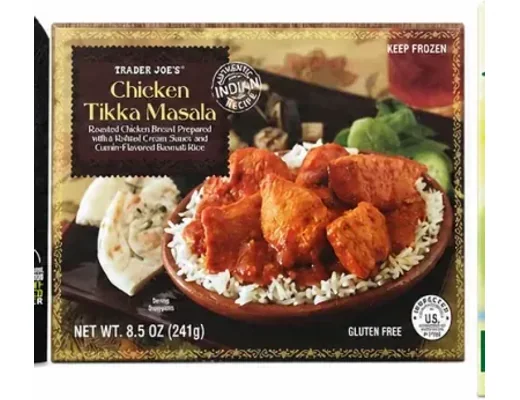
- Trader Joe's Chicken Tikka Masala: around 360 calories, 21 g of protein, 1 g of fiber, and 580 mg of sodium per tray. It offers solid protein, but you may want to add vegetables or legumes for more fiber.
- Trader Joe's Quinoa Cowboy Veggie Burgers: 8 g of protein, 6 g of fiber, and no artificial colors or flavors.
Target, Walmart, and mainstream grocery stores
This tier is where label reading becomes most important. Many best-selling frozen meals in this category use modified food starch, maltodextrin, caramel color, and soybean or canola oil as primary fat sources.
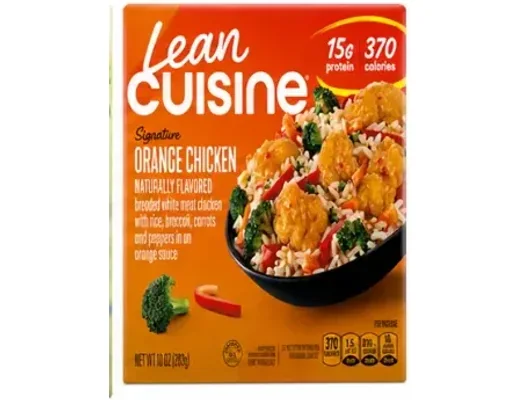
Lean Cuisine Orange Chicken is widely recognizable but illustrates why the full label matters: the current package lists 350 calories, 15 g of protein, 2 g of fiber, 780 mg of sodium, and 11 g of added sugar. It can fit occasionally, but it is weaker than the higher-fiber options in this comparison.
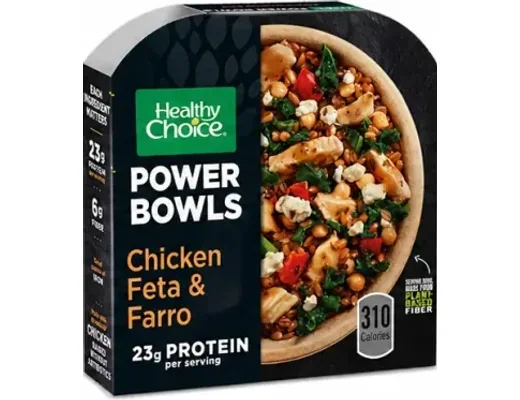
Healthy Choice Power Bowls are a solid mainstream option where available. The Chicken Feta and Farro Bowl lists 310 calories, 23 g of protein, 6 g of fiber, and 600 mg of sodium. The ingredient list is longer than Amy's or Saffron Road but adds a useful balance of chicken, chickpeas, farro, and leafy greens.
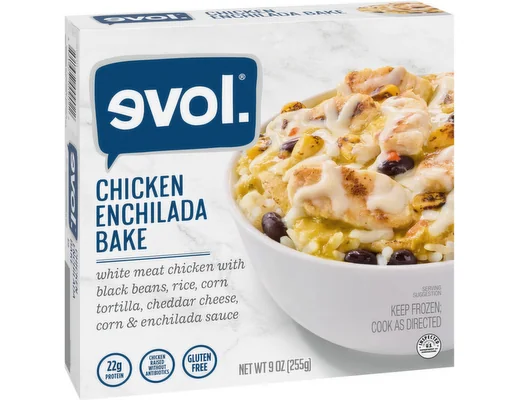
Evol Chicken Enchilada Bake is the stronger current match for this list. The package provides about 380 calories, 22 g of protein, 7 g of fiber, and 510 mg of sodium. Availability varies by region, so check Kroger-family and natural-grocery listings before making a special trip.
Products featured in this guide
Ingredient red flags to watch in frozen meals
Even meals marketed as healthy frozen dinners can include ingredients worth knowing about:
- Partially hydrogenated oils: Rare now but still appear in some older formulations. These contain trans fats.
- Carrageenan: A seaweed-derived thickener used in some frozen entrees. The National Institutes of Health notes ongoing research into its effects on gut inflammation, though evidence in humans remains mixed.
- High-sodium sauces: Teriyaki, soy-based, and cheese sauces are the primary sodium drivers. A meal can look clean until you see the sauce ingredients.
- Long lists of modified starches: Modified corn starch, tapioca starch, and maltodextrin are common texture agents. They are not acutely harmful but signal a more processed product.
- Added sugars in savory sauces: Ingredients like dried cane syrup, maltodextrin, or dextrose can push added sugar to 8 to 10 g in a single entree. Our guide to hidden names for sugar on US food labels covers the full list of aliases.
Research published in The BMJ found associations between higher ultra-processed food consumption and several health outcomes, reinforcing why ingredient quality matters beyond just macros. Source: Monteiro et al., BMJ 2019
Healthiest frozen dinners compared
| Meal | Where to find it | Calories | Protein | Fiber | Sodium | What stands out |
|---|---|---|---|---|---|---|
| Saffron Road Chicken Tikka Masala | Whole Foods and natural grocers | 350 | 26 g | 3 g | 610 mg | High protein; seed-oil-free recipe |
| Healthy Choice Power Bowl Chicken Feta Farro | Select major supermarkets | 310 | 23 g | 6 g | 600 mg | Balanced protein and fiber |
| Trader Joe's Chicken Tikka Masala | Trader Joe's | 360 | 21 g | 1 g | 580 mg | Strong protein-to-calorie ratio |
| Evol Chicken Enchilada Bake | Kroger-family and natural grocers | 380 | 22 g | 7 g | 510 mg | Strong protein and fiber balance |
| Amy's Brown Rice and Veggies Bowl | Whole Foods and Target | 290 | 9 g | 5 g | 590 mg | Short whole-food ingredient list |
| Lean Cuisine Orange Chicken | Mainstream grocery stores | 350 | 15 g | 2 g | 780 mg | Higher sodium and added sugar |
Nutrition is listed per package. Recipes and store availability can change, so compare these figures with the carton before buying.
What the best healthy frozen meals have in common
Across stores and price points, the options that hold up tend to share a few traits. The protein source appears in the first two ingredients. Vegetables are listed as whole items, not extracts or powders. The sodium stays under 700 mg. And the ingredient list is short enough to read in under 30 seconds.
Front-of-pack claims like "clean," "natural," or "wholesome" have no regulated definition in the US, so they are not a reliable guide. The Nutrition Facts panel and the ingredient list are the only two places where verifiable information lives.
Conclusion
Finding the best healthy frozen meals comes down to three minutes of label reading and knowing which numbers to prioritize. Protein, fiber, sodium, and ingredient length are your four filters. Brands like Saffron Road, Trader Joe's private label, and Healthy Choice Power Bowls consistently perform well across those criteria, while many heavily marketed options fall short on sodium or ingredient quality. If you want to skip the manual label-reading at the freezer aisle, Osana lets you scan any frozen meal barcode and instantly see how it scores on processing level, additives, and ingredient quality.
Frequently asked questions
What are the healthiest frozen meals at the grocery store?
The strongest options usually pair at least 15 g of protein with vegetables or legumes, stay below roughly 700 mg of sodium, and provide useful fiber. In this comparison, Evol Chicken Enchilada Bake and Healthy Choice Chicken Feta and Farro offer the best protein-and-fiber balance; always verify the current carton.
Are frozen meals ever as nutritious as fresh cooked food?
Frozen meals can preserve most of the nutritional value of their ingredients because freezing halts nutrient degradation. The bigger variable is the recipe itself, specifically how much sodium, added sugar, and processing went into the product before freezing.
What sodium level should I target in a frozen dinner?
Aiming for under 700 mg per meal is a practical target if you are eating one frozen dinner per day alongside other sodium sources. Under 600 mg is better if you are watching cardiovascular health.
Are plant-based frozen meals automatically healthier?
Not automatically. Some plant-based frozen entrees are high in sodium, low in protein, and use long lists of binders and flavor additives. Check the label the same way you would for any other product.
What is the difference between a healthy frozen meal and an ultra-processed one?
The NOVA classification system categorizes foods by how much industrial processing they undergo. A frozen meal made from whole ingredients with minimal additives scores differently than one built from reconstituted proteins, modified starches, and synthetic flavors. Ingredient list length and recognizability are the fastest proxies.
Which stores have the best selection of healthy frozen dinners?
Trader Joe's and Whole Foods consistently offer the most options with shorter ingredient lists and lower sodium. Target's Good and Gather line and Costco's Kirkland Signature meals have improved in recent years and offer better value per serving.
Do I need to check every frozen meal individually?
Yes. Even within the same brand, one SKU can have 580 mg of sodium and a clean list while another hits 900 mg with a dozen additives. Checking each product, not just the brand, is the only reliable approach.
Get the cleaner swaps list before your next grocery run.
One short email a week: new label checks and better-for-you products we actually tested.
No spam. Unsubscribe anytime.

Choose cleaner swaps before they land in your cart.
Use Osana at Whole Foods, Trader Joe's, Target, Costco, or Walmart to compare labels faster and shop with more confidence.