Xanthan gum in food: what it is, why it is everywhere, and what research says
 By Clement6 min read
Xanthan gum in food is a thickener and stabilizer made by fermenting sugar with a common bacterium. It keeps salad dressings from separating, gives sauces a smooth cling, holds gluten-free bread together, and stops ice crystals from forming in frozen desserts. It is approved for use in US foods and considered low risk at normal amounts, although large doses can have a laxative effect and very sensitive groups need extra care.
Remember it this way: xanthan gum is the ingredient that makes a dressing pour slowly and stay mixed. A quarter teaspoon can thicken a whole cup of liquid.

Find the controversial ingredients already in your kitchen.
Scan packaged foods at home, understand ingredients, and find healthier alternatives in seconds.




 Scan with Osana
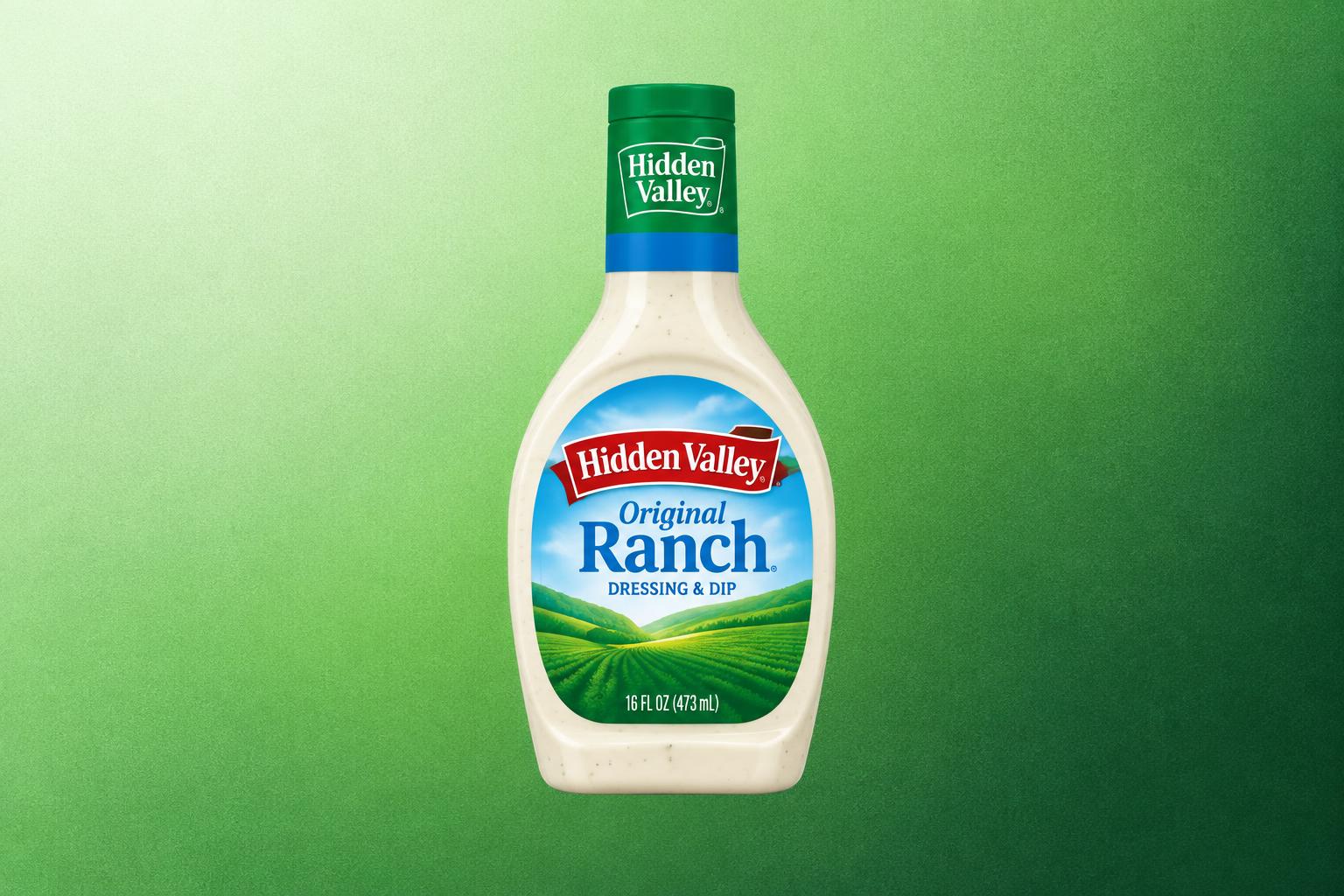
What is xanthan gum?
Xanthan gum is a polysaccharide, a long chain of sugar molecules, produced when the bacterium Xanthomonas campestris ferments a sugar source such as glucose or sucrose. After fermentation, the gum is separated with alcohol, dried, and ground into a fine powder. In Europe it carries the code E415.
As a xanthan gum ingredient on a package, it is simply listed as "xanthan gum." The sugar used for fermentation can come from corn, soy, wheat, or dairy. The finished gum is highly purified, so it generally contains only trace amounts of the source material, if any.
Why manufacturers use xanthan gum
Xanthan gum has an unusual property: it is thick when still, then thins when shaken or poured, and thickens again once it rests. That makes it ideal for many jobs:
- Suspending particles. It keeps herbs, spices, and pulp evenly spread in dressings and juices.
- Stabilizing emulsions. It helps oil and vinegar stay blended without constant shaking.
- Replacing gluten. In gluten-free baking it mimics some of gluten's stretch and structure.
- Controlling texture in frozen foods. It limits ice crystal growth in ice cream and sorbet.
- Thickening with tiny amounts. Manufacturers usually use well under 1 percent of a recipe.
- Staying stable. It holds up to heat, acid, and freezing better than many thickeners.
Foods with xanthan gum
| Food | What xanthan gum does |
|---|---|
| Salad dressings | Keeps oil, vinegar, and herbs suspended |
| Sauces, gravies, and soups | Smooth, glossy thickness |
| Gluten-free bread, pasta, and baking mixes | Binding and structure |
| Ice cream and frozen desserts | Smoother texture, fewer ice crystals |
| Plant milks and protein shakes | Body and even suspension |
| Low-fat and reduced-sugar foods | Restores creaminess |
| Toothpaste and some medications | Thickening outside the kitchen |
Xanthan gum often appears alongside guar gum, lecithin, or other stabilizers. Our guide to emulsifiers in food explains how these texture ingredients work together.
Xanthan gum and gluten-free foods
If you buy gluten-free products, you will see xanthan gum often. Without gluten, doughs crumble and breads turn dense. Xanthan gum adds elasticity and traps air, so gluten-free loaves and cakes hold together. Home bakers use it the same way, typically about a quarter to a half teaspoon per cup of gluten-free flour.
Our guide to gluten free snacks shows how to compare gluten-free products, which can rely more heavily on gums and starches than their wheat-based versions.
What the FDA and current research say
The FDA permits xanthan gum as a food additive used as a stabilizer, emulsifier, thickener, and suspending agent in amounts consistent with good manufacturing practice. In Europe it is authorized as E415, and EFSA has reviewed it as part of its re-evaluation of food additives without identifying a safety concern for the general population at reported uses.
What the evidence shows in practice:
- Digestive effects at high doses. Xanthan gum is a soluble fiber that the body does not digest. In large amounts, well beyond what foods contain, it can increase stool bulk and cause gas or loose stools.
- Possible benefits. As a fiber, it may modestly slow sugar absorption and increase fullness, but food-level amounts are too small to count on for health effects.
- Special populations. Xanthan-based thickening products used for swallowing difficulties are common in adults. US regulators previously warned against giving certain xanthan-based thickeners to premature infants, after cases of serious intestinal illness. This concern applies to that specific medical use, not to ordinary foods eaten by children and adults.
- Allergies. Because the fermentation sugar may come from corn, soy, wheat, or dairy, people with severe allergies sometimes ask manufacturers about the source, although the purified gum usually contains little or none.
The fair summary is that xanthan gum is low concern at food levels, with digestive tolerance being the main personal factor.
How to read xanthan gum on food labels
- Look near the end of the list. Like most gums, it is used in tiny amounts.
- Notice what it replaces. In a low-fat dressing, xanthan gum may be doing the job that oil used to do.
- Count stabilizers. A dressing with one gum is simpler than a sauce with xanthan gum, modified food starch, and several emulsifiers.
- Consider your digestion. If gum-heavy foods bother you, compare products and choose simpler versions.
- Do not confuse it with xylitol. Xylitol is a sugar alcohol sweetener, while xanthan gum is a thickener.
For example, one vinaigrette may list olive oil, vinegar, mustard, and salt, while a fat-free version lists water, sugar, vinegar, xanthan gum, and natural flavors. Both are legal, but the second relies on the gum to imitate the texture oil would provide.
Conclusion
Xanthan gum is a fermentation-made thickener that keeps dressings mixed, sauces smooth, gluten-free breads together, and frozen desserts creamy. It is approved in the US, used in very small amounts, and considered low concern for most people, with digestive discomfort possible only at high intakes. Rather than avoiding it, look at how many texture additives a product stacks and whether simpler versions are available. If you want a faster way to check labels like these, try scanning your groceries with Osana.
Frequently asked questions
Is xanthan gum bad for you?
Xanthan gum is considered safe at the levels used in food. Large amounts can cause gas or loose stools because it is an indigestible fiber.
Is xanthan gum natural?
It is made by natural fermentation, similar to how yogurt or vinegar are produced, but it is a processed ingredient purified in a factory.
Is xanthan gum gluten free?
Yes. Xanthan gum is gluten free and widely used to improve the texture of gluten-free foods.
What can I use instead of xanthan gum?
Guar gum, psyllium husk, chia seeds, or ground flaxseed can replace xanthan gum in many home recipes, though textures vary.
Get the cleaner swaps list before your next grocery run.
One short email a week: new label checks and better-for-you products we actually tested.
No spam. Unsubscribe anytime.

Choose cleaner swaps before they land in your cart.
Use Osana at Whole Foods, Trader Joe's, Target, Costco, or Walmart to compare labels faster and shop with more confidence.