Gluten-free label meaning: the FDA rule behind the claim
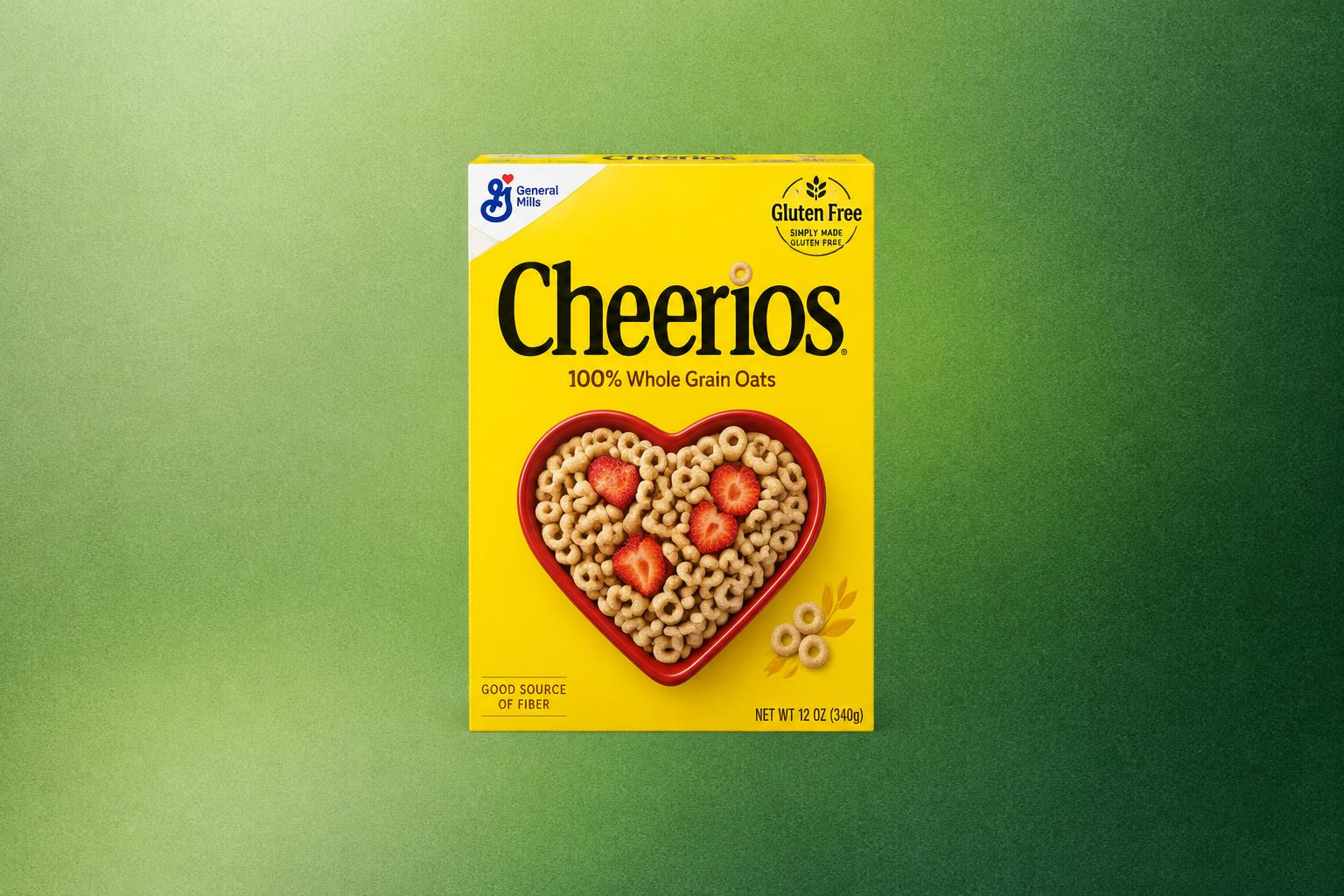
On a US food package, a gluten-free label has a legal meaning: "gluten-free" is a term with an FDA definition behind it. The core promise is simple: any gluten that slips in unavoidably must stay below 20 parts per million (ppm), under the FDA's labeling rule. The claim is voluntary, so a food without it may still be gluten free, and you can check the ingredients yourself. The rule also skips foods whose labels the USDA or the alcohol bureau (TTB) regulates, such as meat, poultry, beer and spirits.

Find the controversial ingredients already in your kitchen.
Scan packaged foods at home, understand ingredients, and find healthier alternatives in seconds.




 Scan with Osana
What does gluten-free mean on a label?
"Gluten-free" is a defined term for FDA-regulated foods, not a loose marketing word. The FDA issued its final rule on August 5, 2013, and a food can carry the claim only if it fits the definition (FDA).
A food qualifies in one of two ways. It can be inherently gluten free, or it can contain none of these ingredients:
- A gluten-containing grain: wheat, barley, rye or a crossbreed of them
- An ingredient made from one of those grains that was not processed to remove gluten
- An ingredient made from one of those grains and processed to remove gluten, but still at 20 ppm or more (FDA)
In both cases, any unavoidable gluten must be less than 20 ppm (FDA). The phrases "free of gluten", "without gluten" and "no gluten" count as the same claim, so they must meet the same standard.
If you are new to reading the back of the pack, start with our guide on how to read food ingredient labels. Our organic vs non-GMO guide explains two other claims you'll see on the front of the box.
What the 20 ppm gluten-free limit means
Gluten-free does not promise zero gluten. It promises that any gluten the maker could not avoid stays below 20 parts per million (ppm), the cutoff in the FDA rule. A food at or above that line cannot use the claim, even if no gluten ingredient was ever added.
A 2020 rule added requirements for fermented, hydrolyzed and distilled foods labeled gluten-free (FDA). Manufacturers covered by it must keep records for at least 2 years, according to the FDA.
The limit is especially relevant if someone at home has celiac disease. Experts estimate about 2 million people in the US have it (NIDDK), while the FDA estimates up to 3 million.
Celiac disease is more common in females than in males, according to NIDDK. You are more likely to develop it if a family member has it, and many people who have it have not been diagnosed. If someone in your family avoids gluten for health reasons, ask their doctor or a registered dietitian how strict your label checks should be.
What the gluten-free rule does not cover
The FDA definition covers FDA-regulated packaged foods, including dietary supplements. It does not cover foods whose labels the USDA or the Alcohol and Tobacco Tax and Trade Bureau (TTB) regulates (FDA). Here is how that plays out across the store.
| What you are buying | Does the rule apply? | What it means for you |
|---|---|---|
| Packaged foods regulated by FDA | Yes | A gluten-free claim means under 20 ppm of unavoidable gluten |
| Dietary supplements | Yes | Same standard as packaged foods |
| Meat, poultry and certain egg products (generally USDA) | No | Read the ingredient list; the FDA definition is not behind these labels |
| Beer and spirits regulated by TTB | No | The FDA definition is not behind these labels |
| Restaurant menus | Recommendation only | FDA recommends menu claims match the definition; ask how dishes are made |
Meat, poultry and eggs
Meat, poultry and certain egg products generally fall under the USDA, so the FDA rule does not apply to their labels (FDA). Pay extra attention to anything breaded, marinated or seasoned. Read the ingredient list as you would on any package, and contact the brand if you are unsure.
Beer and spirits
Alcoholic drinks whose labels the TTB regulates sit outside the FDA rule too (FDA). So a gluten-free claim on those bottles is not backed by the FDA definition. Ask the producer what it means if it matters to your family.
Restaurants and takeout
On menus, the FDA only recommends that restaurants making a gluten-free claim stay consistent with the definition (FDA). The rule itself is written for FDA-regulated packaged foods. When you order, ask how the dish is prepared and whether it shares fryers or surfaces with foods that contain gluten.
How to read a label with no gluten-free claim
No claim does not mean the food contains gluten. The claim is voluntary (FDA), so a product can be gluten free without printing it. The answer is in the ingredient list: look for gluten grains and the ingredients made from them.
Start with the allergen statement, but don't stop there. Wheat is one of the major allergens US labels must declare, while barley and rye are not. So a "Contains: Wheat" line, or the lack of one, will not flag malt made from barley.
Reassuring signs
- A "gluten-free", "no gluten", "free of gluten" or "without gluten" claim on an FDA-regulated package
- No wheat in the "Contains" line and no barley, rye or malt in the ingredients
- Oats and oat products that carry the gluten-free claim
- A clear answer from the brand when you ask about cross-contact
Words that signal gluten
- Wheat
- Barley
- Rye
- Triticale, a cross of wheat and rye
- Malt
- Malt vinegar
- Brewer's yeast
Without the claim, the product has not promised to stay under the FDA limit, so cross-contact is an open question. If the ingredients look fine but the stakes are high for your family, choose a product with the claim or ask the manufacturer.
Gluten information lives in the claim and the ingredient list, not the Nutrition Facts panel. Our nutrition facts label guide shows what that panel does cover. For other words worth a second look, see ingredients to avoid in food labels.
A barcode scanner for food ingredients can speed up the check in the aisle. Still, read the printed package for anyone who needs strict gluten avoidance, since recipes can change.
Can oats be labeled gluten-free?
Yes. Oats can carry the claim if they contain less than 20 ppm gluten (FDA). The concern is cross-contact: oats can pick up wheat, barley or rye while they are grown and milled.
Granola bars and snack mixes made with oats deserve the same check. For packaged ideas, see our list of gluten-free snacks.
Oat tip: Plain oats without the claim have made no promise about cross-contact. If someone at home avoids gluten, look for oats, oatmeal and granola that carry the gluten-free claim. Ask their doctor or a registered dietitian whether oats fit their diet.
Frequently asked questions
Does gluten-free mean zero gluten?
No. Under the FDA rule, any unavoidable gluten in a food labeled gluten-free must be less than 20 ppm (FDA). The rule sets a ceiling, not a zero.
Is gluten-free the same as wheat-free?
No. A food without wheat can still contain barley or rye, including malt made from barley. A gluten-free claim covers wheat, barley, rye and their crossbreeds.
Are gluten-free foods healthier?
Not automatically. The claim is about gluten only and says nothing about sugar, sodium or how processed a food is. A gluten-free cookie is still a cookie, so use the same checks as in our guide to healthy packaged snacks.
Conclusion
A gluten-free claim on an FDA-regulated package is a real legal promise, with any unavoidable gluten kept under 20 ppm (FDA). Because the claim is voluntary, its absence tells you little on its own. Read the ingredient list for wheat, barley, rye and malt, and remember that the allergen line flags wheat but not barley or rye. For meat, poultry, beer, spirits and restaurant food, ask the brand or the kitchen, and pick oats that carry the claim.
If you want a faster way to check ingredient lists while you shop, try Osana on your next grocery run.
Sources
- FDA, "Questions and Answers on the Gluten-Free Food Labeling Final Rule", accessed October 2026.
- NIDDK, "Definition & Facts for Celiac Disease", accessed October 2026.