Dextrose vs sugar: what is different, why it is in your food, and how to spot it
 By Clement6 min read
Find the controversial ingredients already in your kitchen.
Scan packaged foods at home, understand ingredients, and find healthier alternatives in seconds.




 Scan with Osana
Dextrose vs sugar comes down to chemistry: dextrose is pure glucose, usually made from corn starch, while regular table sugar is sucrose, a molecule made of glucose and fructose joined together. On a US Nutrition Facts label, both count as added sugars, so dextrose is not a hidden "sugar-free" ingredient. The real differences are how fast each one raises blood glucose, why manufacturers choose one over the other, and how dextrose can make a sugar total harder to spot on the ingredient list.
What is dextrose?
Dextrose is the name food makers use for glucose derived from starch, most often corn in the United States. Starch is broken down with enzymes into single glucose units, then purified and dried into a fine white powder. The FDA lists corn sugar, the common term for dextrose, as generally recognized as safe for use in food.
Is dextrose sugar? Yes. It is one of the simplest sugars, and your body uses it directly for energy. It tastes about 70 to 80 percent as sweet as table sugar, which is one reason it often appears alongside other sweeteners rather than replacing them.
Dextrose vs sugar: the key differences
| Dextrose | Table sugar (sucrose) | |
|---|---|---|
| What it is | Glucose only | Glucose plus fructose |
| Usual US source | Corn starch | Sugar cane or sugar beets |
| Sweetness | About 70 to 80 percent of sugar | Reference sweetness |
| Glycemic index | About 100, the reference point | About 65 |
| Counts as added sugar | Yes | Yes |
The biggest practical difference is speed. Because dextrose is already glucose, it does not need to be split apart before absorption, so it raises blood glucose faster than the same amount of sucrose. Harvard Health's glycemic index table uses glucose as its reference value of 100, while sucrose scores lower.
Sugar vs dextrose is not a story of one good and one bad ingredient. Gram for gram they provide the same calories, and both count toward the same daily added sugar limit.
Why manufacturers use dextrose
Dextrose solves several production problems that table sugar does not:
- Browning and crust color. Glucose browns quickly, which helps baked goods, pretzels, and frozen waffles look golden.
- Yeast fermentation. Yeast feeds on glucose easily, so dextrose speeds up rising in bread and pizza dough.
- Mild sweetness. Its lower sweetness lets brands add bulk without making a product taste sugary, such as in spice rubs and savory seasonings.
- Curing meats. Dextrose balances salt and supports flavor development in bacon, sausages, and deli meats.
- Texture in frozen foods. It lowers the freezing point, which keeps ice cream and frozen desserts softer.
- Cost and consistency. Corn-derived dextrose is inexpensive and behaves predictably in large batches.
Where you will find dextrose in a US grocery cart
Dextrose shows up in places many shoppers do not expect sugar at all:
- Deli meats, bacon, and hot dogs, often listed right after salt.
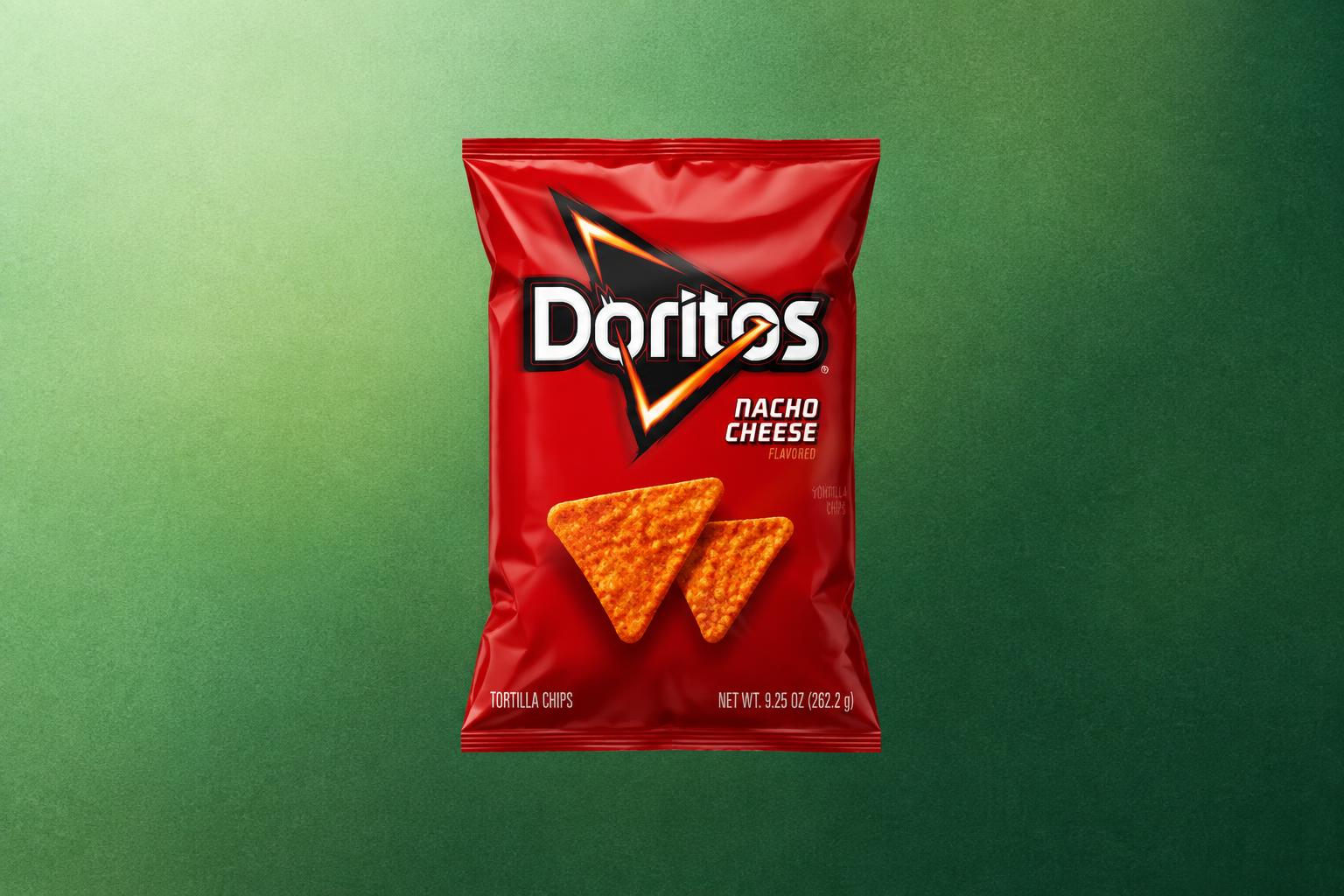
- Chips, crackers, and seasoned snacks, where it is part of the flavor dust.
- Sandwich bread, bagels, and frozen pizza crust.
- Spice blends, taco seasoning packets, and marinades.
- Candy, sports drinks, and energy gels, where fast-acting glucose is the goal.
- Frozen desserts and some protein snacks.
In savory foods the amount is often small, but it adds up across a day of packaged meals and snacks. If you are tracking carbs, our guide to net carbs vs total carbs explains how these sugars show up in the carbohydrate lines.
What the FDA and current research say
Dextrose is legal, widely used, and considered safe as a food ingredient. Health guidance does not single it out as more harmful than table sugar. Instead, US authorities focus on total added sugar. The FDA explains that the added sugars line includes sugars added during processing, such as dextrose, sucrose, syrups, and honey, and that the Daily Value is 50 grams per day on a 2,000 calorie diet.
Where research and individual responses differ is the glycemic effect. Dextrose causes a sharper, faster rise in blood glucose than sucrose when eaten alone. In a mixed meal with fiber, protein, and fat, that difference becomes smaller and harder to measure. People managing blood sugar under medical guidance may care about this more than the average shopper, but for most families the more useful question is how much added sugar a product contains overall.
There is also no strong evidence that sucrose is better because it contains fructose. Fructose has its own metabolic questions at high intakes. The honest summary is that neither ingredient is a health food, and the total amount matters more than the type.
How to spot dextrose on ingredient labels
Dextrose on ingredient labels is usually listed simply as "dextrose." A few tips make it easier to read the whole picture:
- Check the added sugars line first. It already includes dextrose, so it tells you the total regardless of how many sugar names appear.
- Look for sugar splitting. Products sometimes use dextrose, cane sugar, corn syrup, and maltodextrin together. Each appears lower on the list than one combined sugar would.
- Note related names. Corn sugar, glucose, and glucose syrup are close relatives. Maltodextrin is a starch-based carbohydrate that behaves similarly in the body, although it is not counted as a sugar on the label.
- Watch savory foods. Dextrose in a bag of chips or a deli package is a reminder that sugar is not only in sweets.
- Compare similar products. Two brands of turkey slices or taco seasoning can differ a lot, and the ingredient list is the quickest way to see it.
For example, one brand of bacon might list pork, water, salt, sugar, and sodium nitrite, while another adds dextrose and corn syrup. Both may show 0 grams of sugar per slice because of rounding rules, but the second uses more sweeteners overall.
Conclusion
Dextrose is glucose, table sugar is glucose plus fructose, and both count as added sugar. Dextrose raises blood glucose a little faster and appears in many savory foods, while sucrose is the familiar sweetener in baked goods and drinks. Instead of worrying about which sugar name is on the label, focus on the added sugars line and on how many different sweeteners a product stacks. If you want a faster way to check those labels in the store, try scanning your groceries with Osana.
Frequently asked questions
Is dextrose worse than sugar?
Not in a meaningful way for most people. Dextrose raises blood glucose faster than table sugar when eaten alone, but both provide the same calories and both count as added sugar.
Is dextrose natural?
Dextrose is made from natural starches, usually corn, but it is highly refined through an industrial process. It is not considered an artificial sweetener.
Why is dextrose in meat?
Dextrose helps balance salty flavors, supports browning, and assists the curing process in products like bacon, ham, and sausages. The amount is usually small.
Is dextrose the same as glucose?
Yes. Dextrose is the food industry name for glucose made from starch, and the two terms describe the same sugar molecule.
Get the cleaner swaps list before your next grocery run.
One short email a week: new label checks and better-for-you products we actually tested.
No spam. Unsubscribe anytime.

Choose cleaner swaps before they land in your cart.
Use Osana at Whole Foods, Trader Joe's, Target, Costco, or Walmart to compare labels faster and shop with more confidence.