Mono and diglycerides: what they are, how they are made, and why they are in your food
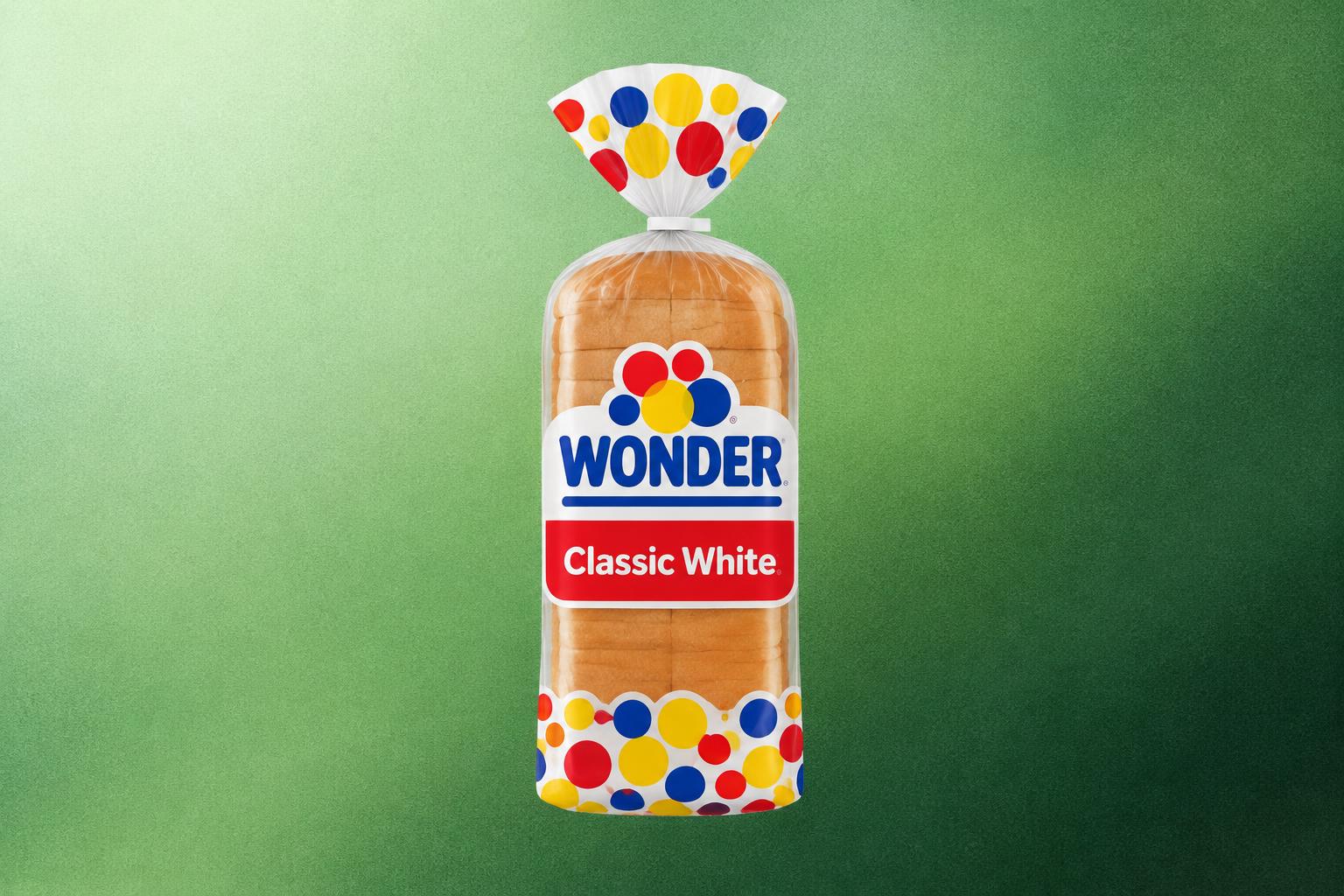
Mono and diglycerides are emulsifiers made from fat. These small molecules help oil and water stay blended, so bread stays soft, ice cream stays smooth and spreads hold together. In Europe they carry the code E471. The FDA lists them as generally recognized as safe (GRAS). Europe's food safety agency found no safety concern at reported uses in 2017. The practical question is the source: they can be made from plant oils or animal fat, and the label rarely says which. Here is what they are, where they show up, and how to spot them on a label.

Find the controversial ingredients already in your kitchen.
Scan packaged foods at home, understand ingredients, and find healthier alternatives in seconds.




 Scan with Osana
What are mono and diglycerides?
They are close cousins of ordinary fat. Most fat in food is made of triglycerides: a small glycerol backbone carrying three fatty acids. A monoglyceride carries one fatty acid, and a diglyceride carries two.
That missing fatty acid changes how the molecule behaves. The free part of the glycerol backbone is attracted to water, while the fatty acid tail is attracted to fat. A molecule that likes both sides can sit where oil and water meet and keep them mixed. That is the definition of an emulsifier in food.
On a US label you will usually read "mono- and diglycerides" or "mono and diglycerides". On European products, the same additive appears as E471 or "mono- and diglycerides of fatty acids". Related additives in the E472 family, such as DATEM, are esters made from mono and diglycerides; they are different ingredients with their own names.
How mono and diglycerides are made
They are made by reacting glycerin with fats, oils or fatty acids. Under the federal definition, manufacturers combine glycerin with fatty acids or triglycerides, using an alkaline catalyst. They then purify the result to at least 90 percent glycerides by weight (21 CFR 184.1505).
The same rule says the starting fats must come from "edible sources". The most common fatty acids it lists are palmitic, stearic, oleic, linoleic, lauric and myristic. These fatty acids are found in both vegetable oils and animal fats, so the name alone does not reveal the source.
Plant or animal: the vegan and halal question
Mono and diglycerides can be made from vegetable oils such as palm or soybean oil, or from animal fat. The finished ingredient is chemically similar either way, and the ingredient list usually just says "mono- and diglycerides". So a product can be free of obvious animal ingredients and still leave the source open.
If you eat vegan, halal or kosher, a certification mark on the package is the clearest signal, because it covers every ingredient. Without one, asking the brand directly is the most reliable way to know. If your concern is seed oils, our list of seed oils shows which plant oils fall in that group.
Tip: "Plant-based" or "made with vegetable oil" on the front of a box describes the product's main fats, not necessarily the source of every emulsifier. Look for a vegan or halal certification if the source matters to you.
Why they are in bread, ice cream, peanut butter and margarine
Mono and diglycerides do several jobs at once, which is why they show up across the store. The FDA rule lists their approved functions, including dough strengthener, emulsifier, stabilizer and thickener, lubricant and release agent, and texturizer. Here is how those jobs map to the foods where you most often see them.
| Food | What they do | Matching FDA function |
|---|---|---|
| Sandwich bread | Help the dough handle well and the crumb stay soft | Dough strengthener, texturizer |
| Ice cream | Help fat and water stay blended for a smoother texture | Emulsifier, stabilizer |
| No-stir peanut butter | Help keep the oil from separating in the jar | Stabilizer |
| Margarine and spreads | Keep tiny water droplets spread evenly through the fat | Emulsifier |
| Cakes, mixes and frostings | Help batter hold air and baked goods release from pans | Surface-active agent, release agent |
Bread is one of the most common places to spot them. Many packaged loaves list mono and diglycerides near the end of the ingredient list, along with other dough conditioners. Our guide on whether bread is ultra-processed explains what those additives say about a loaf. For pint-by-pint label checks in the freezer aisle, see our healthiest ice cream ranking.
Are mono and diglycerides safe?
US and European regulators both allow them, with no numerical limit beyond good manufacturing practice in the US. EFSA points to how the body handles them: they break down into glycerol and fatty acids, the same pieces your body gets from ordinary fat.
FDA: GRAS status affirmed in 1989
The FDA affirmed mono- and diglycerides as GRAS for direct use in food, with no limit other than current good manufacturing practice (21 CFR 184.1505). In plain terms, producers can use the amount needed to do the job, and no more. Our explainer on what GRAS means in food covers how that status works and why some people want it reviewed.
EFSA: the 2017 re-evaluation of E471
Europe's food safety agency re-evaluated E471 in November 2017. Its expert panel noted that the gut breaks the additive down into glycerol and fatty acids. Toxicity studies, including chronic, reproductive and genotoxicity tests, showed no adverse effects (EFSA Journal, 2017).
The panel concluded there was no need for a numerical acceptable daily intake and no safety concern at reported uses. It also recommended some changes to the EU specifications for the additive.
Research on emulsifiers and gut health is still developing, and different emulsifiers behave differently. For the wider picture, compare it with lecithin in food, a common plant-based alternative. Then see polysorbate 80 in food, a synthetic emulsifier with its own research questions.
Mono and diglycerides and ultra-processed food
In the NOVA classification, mono and diglycerides are a marker of an ultra-processed food. NOVA sorts foods by how processed they are. It calls emulsifiers "cosmetic additives", used only in ultra-processed products to make them more appealing (Monteiro et al., Public Health Nutrition, 2019).
That says something about the food, not about the additive's safety. A loaf with mono and diglycerides is ultra-processed by NOVA's rules even if the rest of the list looks simple. Our NOVA food classification guide explains the four groups with grocery examples.
How to spot mono and diglycerides on a label
Check the end of the ingredient list, where small-amount additives usually appear. The names vary by brand and country, so it helps to know the main versions.
Names to look for
- Mono- and diglycerides, or mono and diglycerides
- Monoglycerides or distilled monoglycerides
- E471 on European imports
- Mono- and diglycerides of fatty acids
Don't confuse with
- DATEM and other E472 esters (related, but separate additives)
- Lecithin, a different emulsifier usually from soy or sunflower
- "Vegetable oil", which names the fat, not the emulsifier
To avoid them, look for bread with a short ingredient list and ice cream made from cream, milk, sugar and eggs. Natural peanut butter that you stir yourself is another option. These versions usually skip added emulsifiers, though you still need to read the label to be sure.
Frequently asked questions
Are mono and diglycerides vegan?
Not always. They can be made from plant oils or animal fat, and the ingredient list usually doesn't say which. A vegan certification on the package, or a direct answer from the brand, is the reliable way to know.
Is E471 the same as mono and diglycerides?
Yes. E471 is the European code for mono- and diglycerides of fatty acids, the same type of emulsifier that US labels list as mono- and diglycerides.
Are mono and diglycerides bad for you?
The FDA lists them as GRAS, and EFSA found no safety concern at reported uses in 2017. Their presence does mark a food as ultra-processed under NOVA, which is a separate question from the safety of the additive itself.
Conclusion
Mono and diglycerides are fat-based emulsifiers, labeled E471 in Europe, that keep bread soft, ice cream smooth and spreads blended. The FDA affirmed them as GRAS in 1989, and EFSA's 2017 review found no safety concern at reported uses. The open questions are practical. The source can be plant or animal, which matters for vegan and halal shoppers, and NOVA treats them as an ultra-processed marker. Read the end of the ingredient list, check for certifications if the source matters, and choose simpler versions when you can.
If you want emulsifiers and other additives flagged before a product lands in your cart, try scanning it with Osana next time you shop.
Sources
- 21 CFR 184.1505, Mono- and diglycerides (54 FR 7403, Feb. 21, 1989, as amended), Legal Information Institute, accessed November 2026.
- EFSA Panel on Food Additives and Nutrient Sources added to Food, "Re-evaluation of mono- and di-glycerides of fatty acids (E 471) as food additives", EFSA Journal 15(11), November 2017.
- Monteiro CA et al., "Ultra-processed foods: what they are and how to identify them", Public Health Nutrition 22(5), 2019.