Net carbs vs total carbs: how to read the US Nutrition Facts label
 By Clement6 min read
Find the controversial ingredients already in your kitchen.
Scan packaged foods at home, understand ingredients, and find healthier alternatives in seconds.




 Scan with Osana
Net carbs vs total carbs: the short answer
Total carbs is the "Total Carbohydrate" line on the Nutrition Facts panel. It is defined and required by the FDA, and it includes fiber, sugars, added sugars, sugar alcohols, and starch. Net carbs is not an FDA term. It is a calculation brands and diet communities use, usually total carbs minus dietary fiber and sugar alcohols, to estimate the carbs that meaningfully affect blood sugar.
In practice, total carbs is the regulated number and net carbs is an unregulated estimate. Both can be useful, but only one is standardized.
What "total carbohydrate" means on a US label
On the FDA Nutrition Facts label, Total Carbohydrate is listed in grams per serving with a % Daily Value based on 275 g a day. Indented beneath it you will see:
- Dietary Fiber (required)
- Total Sugars (required)
- Includes Xg Added Sugars (required)
- Sugar Alcohols (voluntary, but required if the package makes a claim about sugar alcohols or sugars)
The indented lines are subsets of the total. They do not add up to the total because starch is usually not listed separately, and sugar alcohols are often left off.
A detail that changed in 2016
The FDA tightened what can count as "dietary fiber." Naturally occurring fiber in plants counts. Isolated or synthetic fibers added to foods only count if the FDA recognizes a beneficial physiological effect, such as psyllium, inulin, or certain resistant starches. You can see the recognized list on the FDA dietary fiber page. This matters because high-fiber low-carb products often rely on these added fibers.
Net carbs meaning: why it is not on the panel
The net carbs meaning comes from the idea that fiber and many sugar alcohols are only partly digested, so they raise blood sugar less than starch or sugar. That is broadly true, but the effect varies by ingredient and by person.
Because the FDA has not defined net carbs, you will usually find the number on the front of the box, in a banner like "3g Net Carbs," not inside the Nutrition Facts box. Brands choose their own formula. Two products with identical panels can advertise different net carb numbers.
How to calculate net carbs from the label
The most common formula:
Net carbs = Total Carbohydrate - Dietary Fiber - Sugar Alcohols
Some people use a more conservative version that subtracts only half of the sugar alcohols, except erythritol, which is barely absorbed. Maltitol, common in sugar-free chocolate, is absorbed more than most sugar alcohols, so subtracting all of it can understate its effect.
Example 1: a low-carb protein bar
- Total Carbohydrate: 23 g
- Dietary Fiber: 14 g
- Sugar Alcohols: 6 g (erythritol)
- Total Sugars: 1 g
Net carbs: 23 - 14 - 6 = 3 g. That matches the front-of-pack claim. But notice the total is 23 g, and most of the fiber likely comes from added isolated fibers. If you want to know how processed a bar like this is, see our guide on whether protein bars are ultra processed.
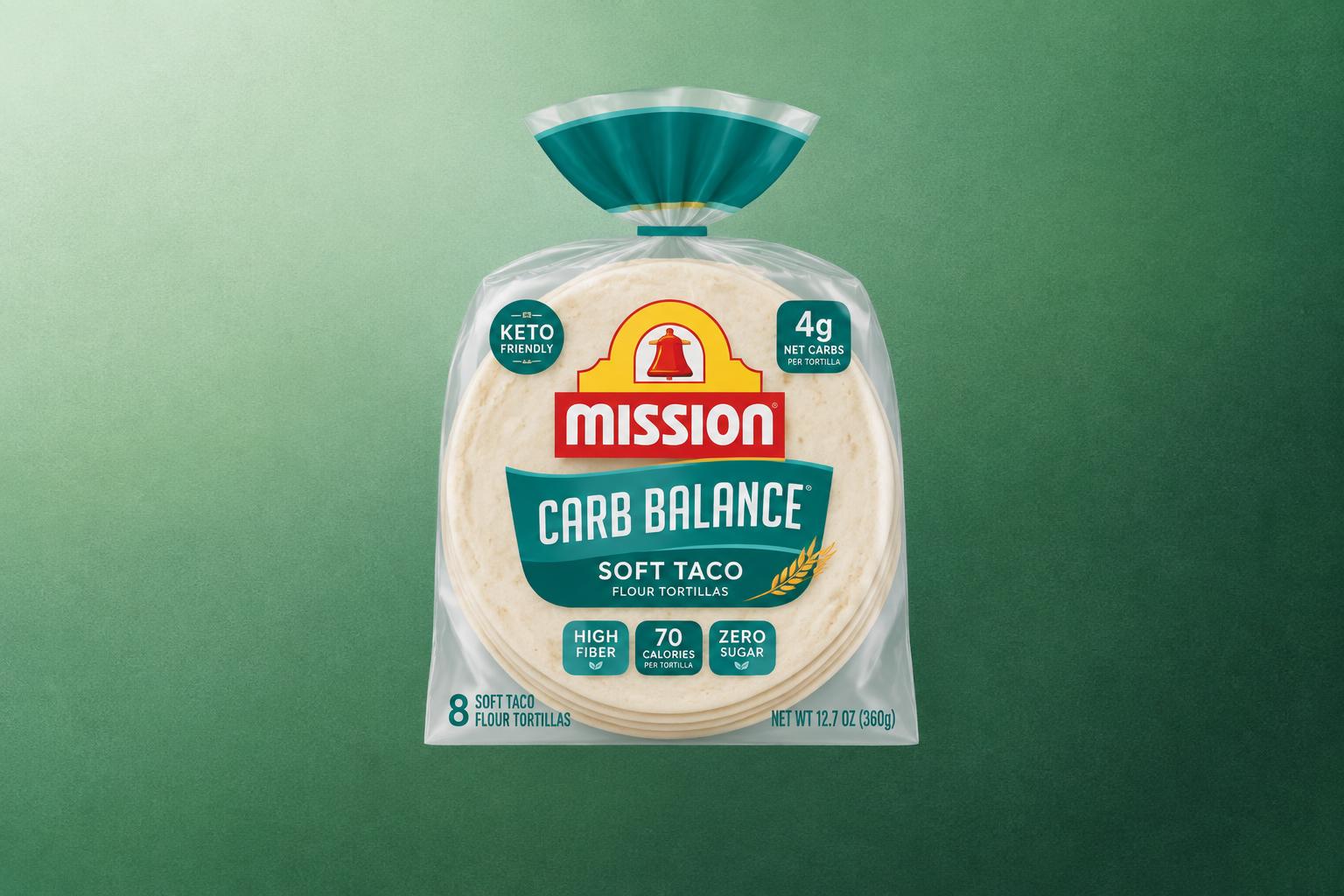
Example 2: a "carb balance" style flour tortilla
- Total Carbohydrate: 19 g
- Dietary Fiber: 12 g
- Sugar Alcohols: not listed
Net carbs: 19 - 12 = 7 g. Check the ingredient list: fiber here often comes from modified wheat starch or oat fiber rather than whole grain.
Example 3: sugar-free chocolate with maltitol
- Total Carbohydrate: 20 g
- Dietary Fiber: 3 g
- Sugar Alcohols: 15 g (maltitol)
The full-subtraction formula gives 2 g net carbs. The half-sugar-alcohol method gives 20 - 3 - 7.5 = 9.5 g. Same bar, very different story.
Example 4: a plain can of black beans
- Total Carbohydrate: 20 g per half cup
- Dietary Fiber: 7 g
Net carbs: 13 g. No banner, no marketing, and the fiber is naturally occurring. A reminder that net carbs is a useful lens for whole foods too, not only keto products.
The allulose wrinkle
Allulose is a rare sugar showing up in keto cereals, syrups, and ice creams. The FDA allows allulose to be excluded from Total Sugars and Added Sugars, but it still counts in Total Carbohydrate. It is not listed as fiber or a sugar alcohol, so the standard net carb formula will not subtract it. Many brands subtract it anyway on the front label. If a product's net carb claim looks lower than your math, allulose is a likely reason.
Total carbs vs net carbs: which should you use?
It depends on your goal:
- Following a keto or low-carb plan: many people track net carbs, but calculate it yourself from the panel rather than trusting the front banner.
- Managing diabetes or blood sugar: talk with your clinician or dietitian. The American Diabetes Association and many diabetes educators suggest counting total carbs, or only subtracting fiber when it is high, because responses to sugar alcohols and added fibers differ. Research on isolated fibers and glycemic response is mixed, as reviewed by the NIH National Library of Medicine.
- Comparing products for your family: use total carbs and added sugars for an apples-to-apples comparison, since those numbers follow one federal standard.
A 30-second label check in the aisle
- Ignore the banner first. Flip to the Nutrition Facts panel.
- Check the serving size. A "2g net carbs" claim on a tiny serving can mislead.
- Find Total Carbohydrate, Dietary Fiber, and Sugar Alcohols. Do the subtraction.
- Read the ingredient list. Look for maltitol, allulose, soluble corn fiber, or chicory root fiber, since these drive the gap between total and net.
- Watch your gut. Large amounts of sugar alcohols or added fiber can cause bloating, especially in kids. For more on the sweeteners themselves, see erythritol vs stevia.
The bottom line
Total carbs is the FDA-defined, standardized number. Net carbs is an estimate you can calculate yourself by subtracting fiber and sugar alcohols, keeping in mind that not all of them behave the same way and that brands set their own rules for front-of-pack claims. Read the panel, do the math, and check the ingredients behind the gap. If you want a faster way to see what is really in those low-carb products, try scanning them with Osana on your next grocery run.
Frequently asked questions
Is net carbs a legal or FDA-approved claim?
No. The FDA has not defined net carbs, so there is no federal standard for how brands calculate it. The FDA has previously warned companies about misleading carb claims, so read the panel, not just the front.
Do I subtract erythritol from carbs?
Most people do, because erythritol is largely absorbed and excreted without being metabolized, and it has minimal effect on blood sugar for most people.
Why does the front label say 2g net carbs when my math says 8g?
The brand may be subtracting allulose, all of the maltitol, or glycerin, or using a smaller serving size than you expect.
Does fiber in whole foods count the same as added fiber?
On the label, both appear under Dietary Fiber if they meet FDA rules. Physiologically, intact fiber from beans, vegetables, and whole grains comes with other nutrients, while isolated fibers vary in how they affect digestion and blood sugar.
Get the cleaner swaps list before your next grocery run.
One short email a week: new label checks and better-for-you products we actually tested.
No spam. Unsubscribe anytime.

Choose cleaner swaps before they land in your cart.
Use Osana at Whole Foods, Trader Joe's, Target, Costco, or Walmart to compare labels faster and shop with more confidence.