Food Preservatives List: What They Are and What Labels Say
 By Clement7 min read
Find the controversial ingredients already in your kitchen.
Scan packaged foods at home, understand ingredients, and find healthier alternatives in seconds.


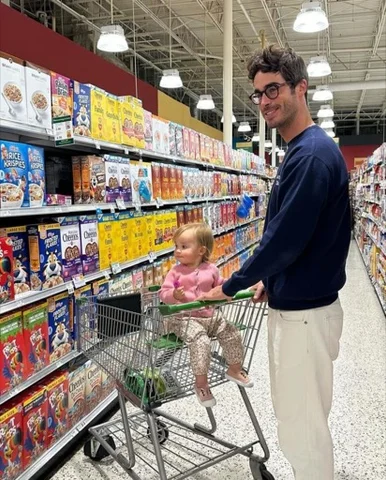

 Scan with Osana
What food preservatives actually are
A food preservatives list is essentially a catalog of substances added to packaged foods to slow spoilage, prevent microbial growth, or stop fats from going rancid. Manufacturers use them because they extend shelf life, reduce food waste, and keep products safe during long supply chains. Understanding the common types of food preservatives on ingredient labels helps you decide which trade-offs matter to your family, without relying on fear or guesswork.
Preservatives fall under the broader umbrella of food additives, which are regulated by the FDA. They must appear on the ingredient list by their common or chemical name, so they are always visible if you know what to look for.
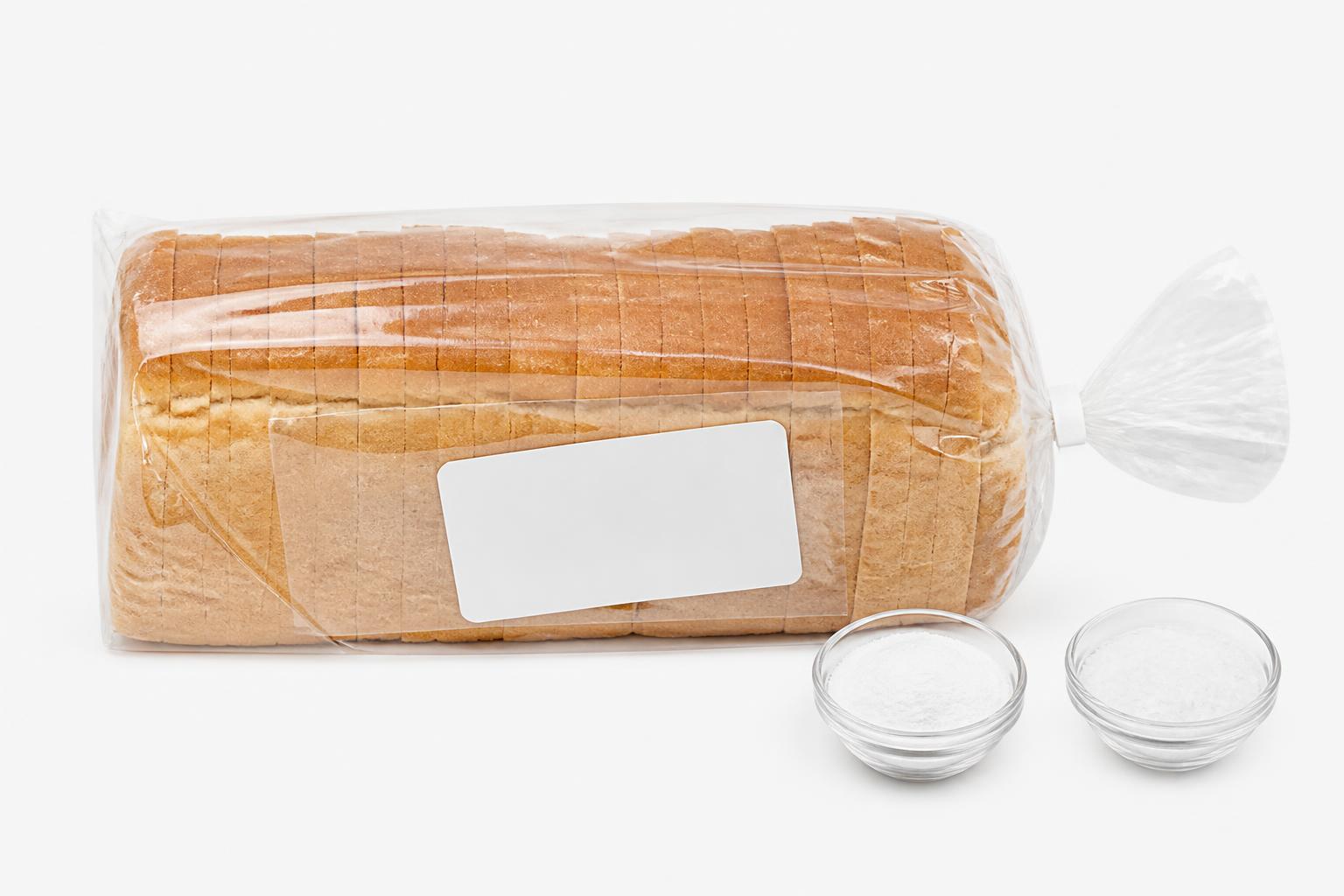
Why manufacturers use preservatives
The US food supply depends on products traveling from a factory in the Midwest to a Walmart shelf in Florida, sometimes sitting for months before purchase. Without preservatives, bread would mold within days, deli meat would harbor dangerous bacteria, and cooking oils in crackers would turn rancid before the box is half empty.
That practical reality does not mean every preservative is equally well-studied or equally necessary. Some have decades of safety data. Others carry ongoing scientific debate. The honest answer is that the risk profile varies by compound, dose, and individual, which is exactly why reading labels matters.
Common food preservatives: a category-by-category breakdown
Antimicrobials: stopping bacteria and mold
These are the most widely used preservatives on food labels in US grocery stores.
- Sodium benzoate - Found in salad dressings, fruit juices, and carbonated drinks. The FDA classifies it as generally recognized as safe (GRAS), but when sodium benzoate combines with ascorbic acid (vitamin C) in acidic drinks, it can form small amounts of benzene, a known carcinogen. Most studies find levels well below concerning thresholds, though some researchers argue for continued monitoring.
- Potassium sorbate - Common in shredded cheese, tortillas, and yogurt. Widely considered one of the lower-concern antimicrobials in the current evidence base.
- Sodium nitrite and sodium nitrate - Used in cured meats like hot dogs, bacon, and deli turkey. These prevent the growth of Clostridium botulinum, a serious pathogen. The International Agency for Research on Cancer (IARC) classifies processed meat as a Group 1 carcinogen, partly linked to nitrite chemistry in the gut. The science is real but context matters: the absolute risk increase from occasional consumption is modest.
- Calcium propionate - Standard in commercial bread and baked goods. Generally low concern at typical dietary levels.
Antioxidants: preventing rancidity
These preservatives stop fats and oils from oxidizing, which would create off flavors and potentially harmful compounds.
- BHA (butylated hydroxyanisole) and BHT (butylated hydroxytoluene) - Found in cereals, chips, chewing gum, and shortening. BHA is listed as "reasonably anticipated to be a human carcinogen" by the National Toxicology Program based on animal studies, though the FDA still permits it. The EU restricts both compounds more tightly than the US, which is a legitimate data point for label-conscious shoppers, not automatic proof of harm.
- TBHQ (tert-butylhydroquinone) - Common in fast-food oils, crackers, and microwave popcorn. The European Food Safety Authority (EFSA) lowered its acceptable daily intake in 2020 after new data raised questions, while the FDA has not updated its position. This gap is a real regulatory divergence worth knowing.
- Tocopherols (vitamin E) - A natural antioxidant derived from vegetable oils. Broadly considered safe and often preferred by brands marketing cleaner labels.
Acidulants and pH controllers
- Citric acid - Ubiquitous in canned tomatoes, beverages, and snacks. Naturally present in citrus fruit but commercially produced via mold fermentation. Generally low concern.
- Acetic acid (vinegar) - Used in pickles and condiments. One of the oldest preservation methods with a strong safety record.
Where these preservatives show up in a typical US grocery cart
| Product category | Preservatives commonly found |
|---|---|
| Deli meats and hot dogs | Sodium nitrite, sodium erythorbate |
| Bread and tortillas | Calcium propionate, potassium sorbate |
| Chips and crackers | BHT, TBHQ, tocopherols |
| Salad dressings | Sodium benzoate, calcium disodium EDTA |
| Shredded cheese | Natamycin, potassium sorbate |
| Fruit juices | Sodium benzoate, potassium sorbate |
If you shop at Whole Foods or Trader Joe's, you will notice many store-brand products avoid BHA, BHT, and sodium benzoate by reformulating with tocopherols or citric acid. That is a market response to consumer demand, not necessarily proof that the original versions were dangerous at typical serving sizes.
How to read preservatives on food labels
Under FDA rules, every additive including preservatives must be declared in the ingredient list. Manufacturers sometimes add a parenthetical note like "(to preserve freshness)" but are not required to. Here is a practical approach:
- Scan the last third of the ingredient list. Preservatives are usually added in small amounts and appear near the end.
- Look for the word "benzoate," "nitrite," "sorbate," "propionate," "BHA," "BHT," or "TBHQ" as quick identifiers.
- Check if the product contains both sodium benzoate and ascorbic acid or citric acid. That combination in acidic drinks is the benzene-formation scenario worth noting.
- Compare store brands to name brands. In many categories, simpler ingredient lists exist at the same price point.
For a broader framework on decoding what you see, learning how to read food ingredient labels gives you the full context beyond just preservatives.
What the current evidence actually says
The honest summary is this: most approved food preservatives are safe for the majority of people at typical dietary exposures. The compounds that carry the most scientific uncertainty, such as BHA, TBHQ, and sodium nitrite, are also the ones where the FDA and EFSA have diverged most noticeably. That divergence reflects genuine scientific debate, not settled proof of harm.
Consumer interest in cleaner labels has accelerated since the MAHA movement brought food additive scrutiny into mainstream conversation. That interest is legitimate regardless of politics. Wanting to understand what is in your food is reasonable, and the label is the starting point.
Conclusion
A working knowledge of the food preservatives list gives you the ability to make faster, more confident decisions in the grocery aisle without panic-reading every package. Focus on the compounds with the most regulatory divergence, compare ingredient lists across brands, and remember that dose and frequency of consumption matter alongside the presence of any single ingredient. If you want to scan barcodes and get instant, evidence-based flags on preservatives and other additives while you shop, Osana is the iOS app built exactly for that.
Frequently asked questions
Are all food preservatives harmful?
No. Most approved preservatives have extensive safety data and are considered safe at typical dietary levels. A small number, such as BHA and TBHQ, carry ongoing scientific debate and tighter restrictions in the EU than in the US.
What are the most common food preservatives in US grocery stores?
Sodium benzoate, potassium sorbate, calcium propionate, sodium nitrite, BHA, BHT, and TBHQ are among the most frequently seen on US food labels across bread, deli meat, chips, and beverages.
How do I find preservatives on a food label?
They appear in the ingredient list, usually toward the end. Look for names ending in "benzoate," "sorbate," or "propionate," or abbreviations like BHA, BHT, and TBHQ.
Is sodium benzoate dangerous?
At typical dietary doses, the FDA considers it safe. The main concern is its potential to form trace benzene when combined with ascorbic acid in acidic drinks. Most studies find levels below regulatory thresholds, but some researchers call for continued monitoring.
Why does the EU restrict some preservatives that the US allows?
Regulatory agencies use different risk frameworks and update their assessments on different timelines. EFSA lowered its acceptable intake for TBHQ in 2020 based on new data. The FDA has not made the same revision. This is a real divergence, not simply stricter European standards across the board.
Do natural preservatives like tocopherols work as well as synthetic ones?
For preventing fat oxidation, tocopherols (vitamin E) are effective and widely used as a cleaner-label alternative to BHT and BHA. They are less effective against microbial growth, so products requiring antimicrobial protection typically still need other compounds.
Get the cleaner swaps list before your next grocery run.
One short email a week: new label checks and better-for-you products we actually tested.
No spam. Unsubscribe anytime.

Choose cleaner swaps before they land in your cart.
Use Osana at Whole Foods, Trader Joe's, Target, Costco, or Walmart to compare labels faster and shop with more confidence.