Healthiest Bread: A US Grocery Shopping Guide
 By Clement7 min read
Find the controversial ingredients already in your kitchen.
Scan packaged foods at home, understand ingredients, and find healthier alternatives in seconds.




 Scan with Osana
What makes a bread actually healthy?
The healthiest bread options at US grocery stores share a short ingredient list, at least 3 grams of fiber per slice, minimal added sugar, and no unnecessary additives. Knowing what to look for on the label, rather than trusting front-of-pack claims, is the fastest way to choose well.
Bread is one of the most confusing categories in the grocery store. Words like "multigrain," "wheat," and "natural" appear on loaves that are mostly refined flour with added coloring. This guide cuts through the marketing to show you what the label actually tells you, and which widely available brands hold up.
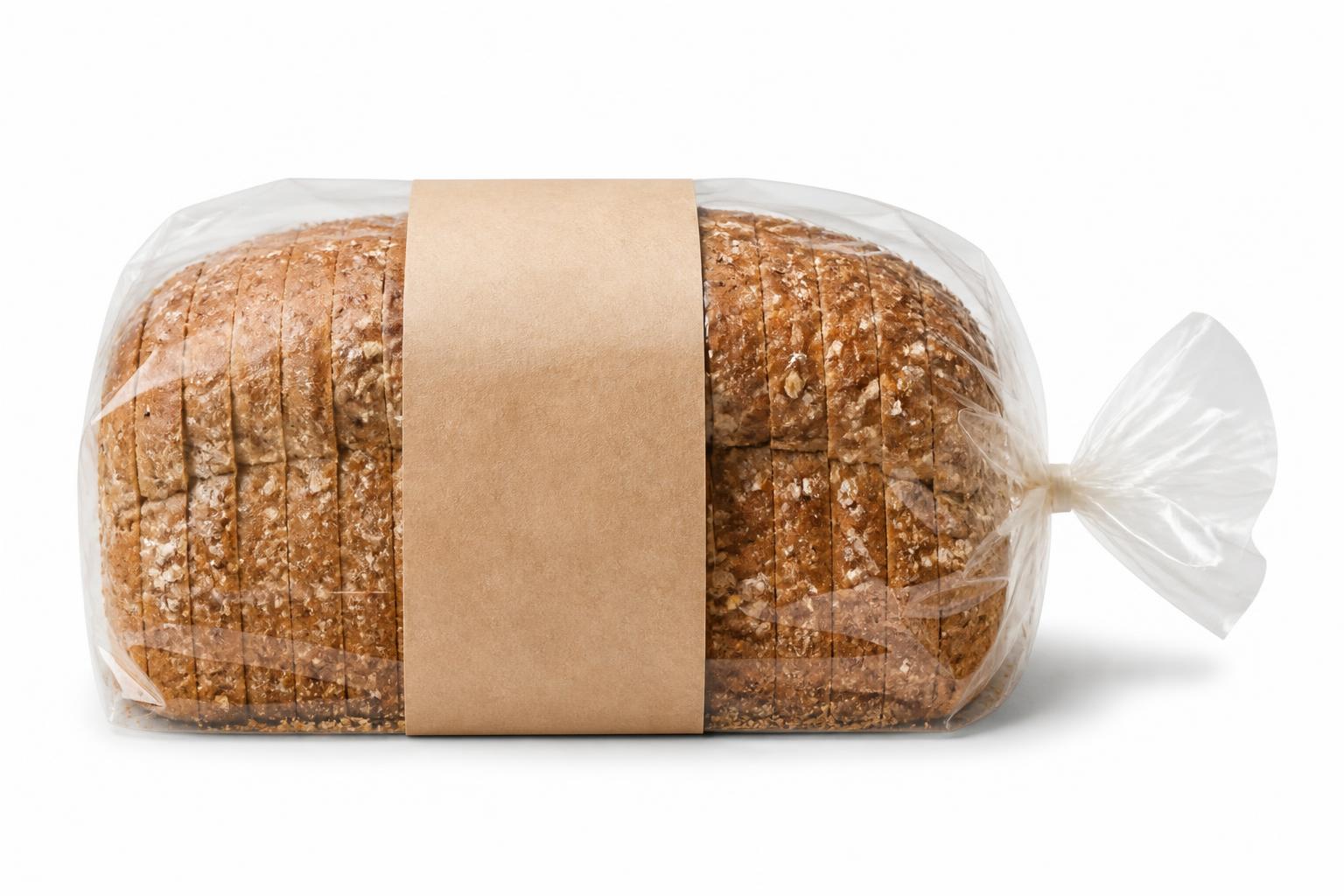
How to choose healthy bread: what the label tells you
The five numbers that matter
When you pick up a loaf, check the Nutrition Facts panel for these five things per slice:
- Fiber: 3 grams or more is a meaningful amount. The Dietary Guidelines for Americans recommend 25-28 grams of fiber daily for adult women, and bread can contribute.
- Protein: 4-5 grams per slice is solid. Lower protein often signals a more refined product.
- Added sugar: Aim for 1 gram or less per slice. Many commercial loaves add 2-3 grams per slice, which adds up quickly.
- Sodium: Under 150 mg per slice is reasonable. Some brands push 200 mg or higher.
- Serving size: Always check whether the label reflects one slice or two. Many brands list two slices as a serving, which can obscure the per-slice numbers.
The ingredient list tells the real story
The first ingredient should be a whole grain flour, such as "whole wheat flour" or "whole grain rye flour." If it says "enriched wheat flour" or "unbleached wheat flour" first, the product is primarily refined, regardless of what the front of the package claims.
Watch for these common additions in commercial bread:
- Dough conditioners such as DATEM, azodicarbonamide (ADA), and monoglycerides. ADA in particular has attracted consumer attention because it is restricted in the EU and the UK, though the FDA still permits it at low levels in the US. If you want to understand how these additives are regulated, the FDA's food additives overview is a useful starting point.
- High-fructose corn syrup or added sugars listed under multiple names. For a full breakdown of how sugar appears on labels, see hidden names for sugar on US food labels.
- Caramel color used to make lighter breads look more whole grain.
- Calcium propionate, a common mold inhibitor. It is widely used and considered safe by the FDA, but some shoppers prefer to avoid it.
NOVA classification and processing level
NOVA is a food classification system developed by researchers at the University of Sao Paulo that groups foods by the extent and purpose of processing. Most commercial sandwich breads fall into NOVA Group 4 (ultra-processed), largely because of the additives used to extend shelf life and improve texture. Breads with five or fewer recognizable ingredients tend to sit in Group 3 (processed) or lower. If you want a deeper look at how processing levels work, how to avoid ultra-processed foods at the grocery store covers the NOVA framework in practical detail.
Healthiest bread brands at US grocery stores
The following brands are widely available at Whole Foods, Trader Joe's, Target, Costco, and Walmart. Nutritional figures are approximate and based on publicly available label data, which can vary by product line.
Dave's Killer Bread - 21 Whole Grains and Seeds
Available at most major US retailers. One slice delivers roughly 5 grams of protein, 3 grams of fiber, and 1 gram of added sugar. The first ingredient is whole wheat flour. It does contain a few dough conditioners, so it is not a minimal-ingredient loaf, but it performs well on the core nutrition numbers.
Ezekiel 4:9 Sprouted Grain Bread (Food for Life)
Found in the freezer section at Whole Foods and many Targets. Made from sprouted whole grains and legumes with no flour at all. One slice has about 4 grams of protein, 3 grams of fiber, and 0 grams of added sugar. The ingredient list is short and recognizable. The trade-off is texture and a shorter ambient shelf life, which is why it is sold frozen.
Trader Joe's Sprouted 7-Grain Bread
A budget-friendly option at Trader Joe's with a clean ingredient list, 3 grams of fiber per slice, and no added sugar. Good value for shoppers who already shop there regularly.
Alvarado Street Bakery Sprouted Wheat Bread
Organic, sprouted, and free of added sugars. Available at Whole Foods and some Costco locations. Similar nutritional profile to Ezekiel with slightly softer texture.
Base Culture Original Keto Bread
For shoppers avoiding gluten or grains, this almond flour-based loaf is available at Whole Foods and online. It is high in fat and protein but low in fiber compared to sprouted grain options. It is a legitimate choice for specific dietary needs, but not automatically "healthier" for everyone.
What to skip
Loaves labeled "honey wheat," "12-grain," or "multigrain" that list enriched flour as the first ingredient are mostly refined bread with added coloring and a small amount of whole grain mixed in. Nature's Own Honey Wheat and similar mainstream options fall into this category.
Practical tips for shopping smarter
- Flip the loaf over immediately. Front-of-pack claims are marketing. The ingredient list and Nutrition Facts are regulated.
- Count the ingredients. A loaf with fewer than eight ingredients is a reasonable benchmark for lower processing.
- Check the fiber-to-carb ratio. Divide fiber grams by total carbohydrate grams. A ratio above 0.10 (10 percent) is a useful rough target, based on guidance from nutrition researchers studying dietary fiber quality. The NIH's overview of dietary fiber provides context on why fiber density matters.
- Ignore "made with whole grains." The FDA does not define a minimum whole grain percentage for this claim.
- Consider the whole diet. A 2021 review in Nutrients found that whole grain intake is associated with reduced cardiovascular risk, but the benefit comes from consistent dietary patterns, not a single swap.
Conclusion
The best healthy bread for most US shoppers is one with whole grain flour listed first, at least 3 grams of fiber per slice, 1 gram or less of added sugar, and a short ingredient list free of unnecessary dough conditioners. Sprouted grain breads from brands like Ezekiel and Alvarado Street Bakery consistently meet those criteria. If you want to check any loaf in seconds at the store, the Osana app lets you scan the barcode and instantly see additive flags, processing level, and a full ingredient breakdown.
Frequently asked questions
Is sourdough bread healthier than whole wheat bread?
Sourdough made with whole grain flour can be a good choice because the fermentation process may improve mineral absorption and lower the glycemic response compared to standard bread. However, many commercial sourdoughs use refined flour and added yeast rather than true long fermentation, so the label still matters.
What is the healthiest bread for weight management?
Higher fiber and higher protein breads tend to be more satiating. Sprouted grain and whole grain rye breads score well on both. Portion size and overall diet pattern matter more than any single food choice.
Is gluten-free bread healthier?
Not automatically. Many gluten-free loaves are made with refined rice flour or tapioca starch and contain more added sugar and fewer nutrients than whole grain wheat bread. They are appropriate for people with celiac disease or a confirmed gluten sensitivity.
What does "whole grain" mean on a US bread label?
The FDA requires that a product labeled as a whole grain food contain the entire grain kernel (bran, germ, and endosperm). However, there is no minimum percentage requirement for claims like "made with whole grains," so checking that whole grain flour is the first ingredient is still the safest approach.
How much sodium is too much in bread?
The American Heart Association recommends no more than 2,300 mg of sodium per day for most adults. Bread can contribute meaningfully to that total. Aiming for under 150 mg per slice is a practical guideline, especially if you eat two slices per meal.
Can I use an app to check bread ingredients at the store?
Yes. Barcode scanning apps can pull up the full ingredient list and flag additives before you put a loaf in your cart, which is faster than reading every label by hand.
Get the cleaner swaps list before your next grocery run.
One short email a week: new label checks and better-for-you products we actually tested.
No spam. Unsubscribe anytime.

Choose cleaner swaps before they land in your cart.
Use Osana at Whole Foods, Trader Joe's, Target, Costco, or Walmart to compare labels faster and shop with more confidence.