Healthiest Pasta: 6 US Boxes Ranked by Ingredients
 By Clement2 min read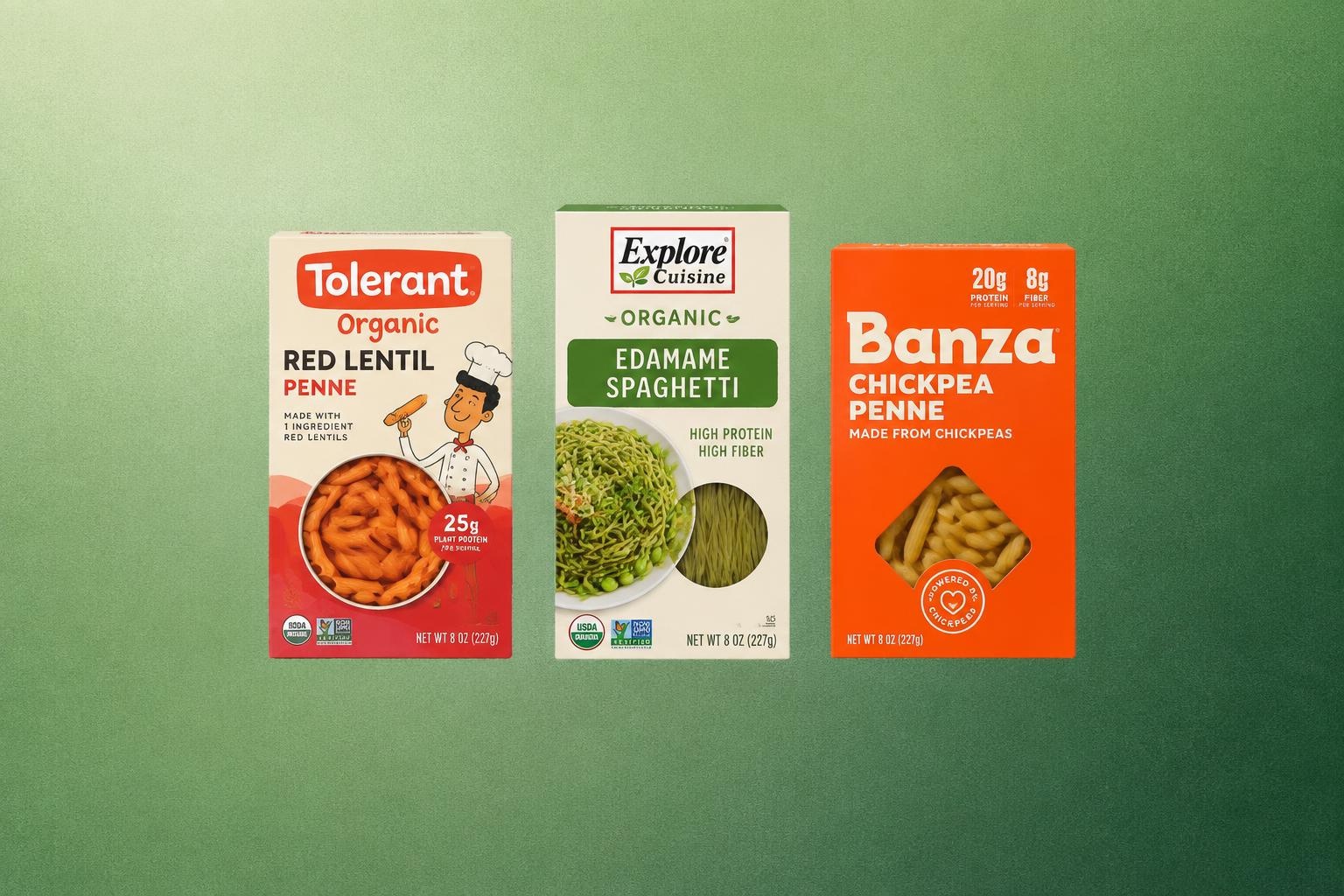

Find more highly rated products with Osana.
Scan products while you shop and compare their Food Scores in seconds.




 Find healthier alternatives
The healthiest pasta on most US shelves is a single-ingredient legume pasta, such as red lentil or edamame, followed closely by chickpea and whole grain wheat pastas. These options bring far more protein and fiber than classic refined spaghetti, and most have ingredient lists you can read in one breath.
This ranking compares six dry pastas sold at Walmart, Target, Kroger, Costco, and Whole Foods. Each score is an editorial estimate built only from the label: whole food ingredients, protein and fiber per serving, level of refining, and additives such as emulsifiers or gums. Pasta is a staple, so small label differences add up across many dinners. A higher score means a more nourishing box in this comparison, not a pasta that every family needs to switch to.
The most useful cues are the first ingredient and the fiber line on the Nutrition Facts panel. Look for whole grain or bean flours rather than enriched semolina, and use the Whole Grains Council's Whole Grain Stamp when a box claims whole grains. Our guide to net carbs vs total carbs explains how fiber changes the carbohydrate picture.
The top-rated pasta ranking
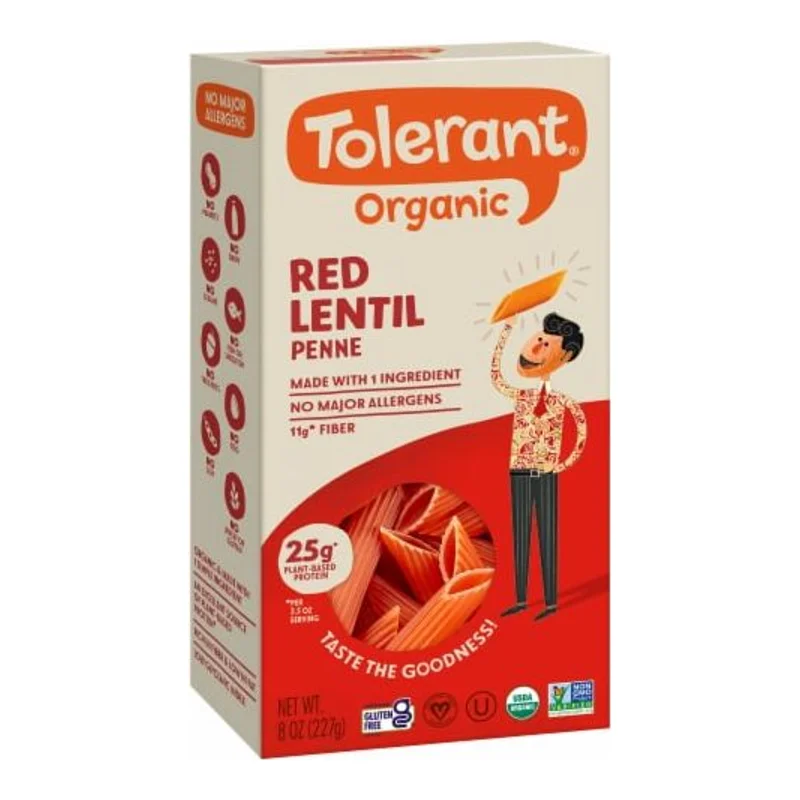
Organic Red Lentil Penne
Made from a single ingredient, organic red lentil flour, so it delivers much more protein and fiber than wheat pasta with no gums, emulsifiers, or enrichment.
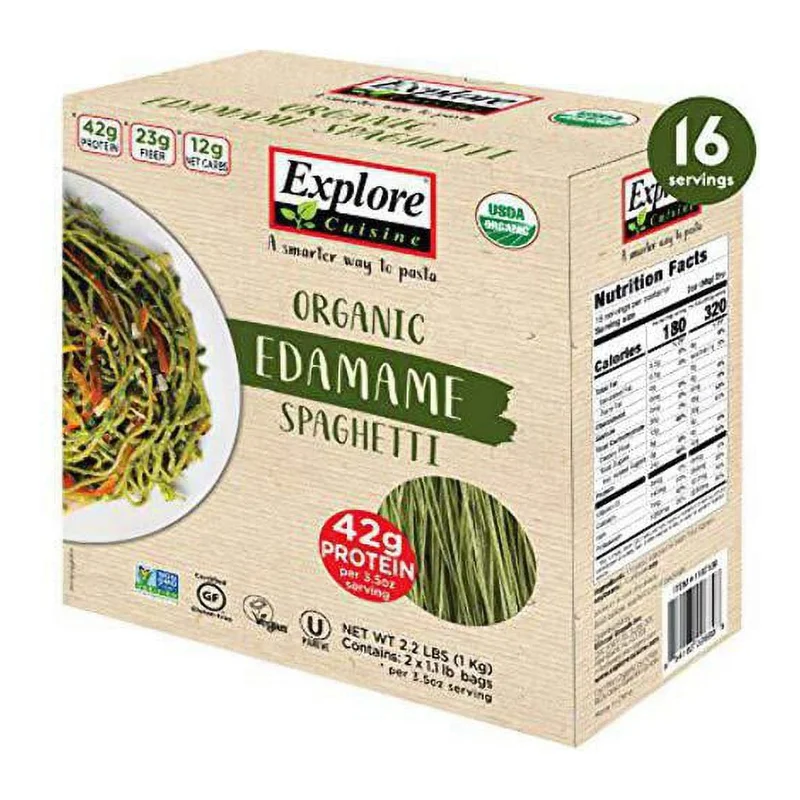
Organic Edamame Spaghetti
Organic edamame is the only ingredient, giving this spaghetti a high protein and fiber profile, though its earthy flavor and texture differ from classic pasta.
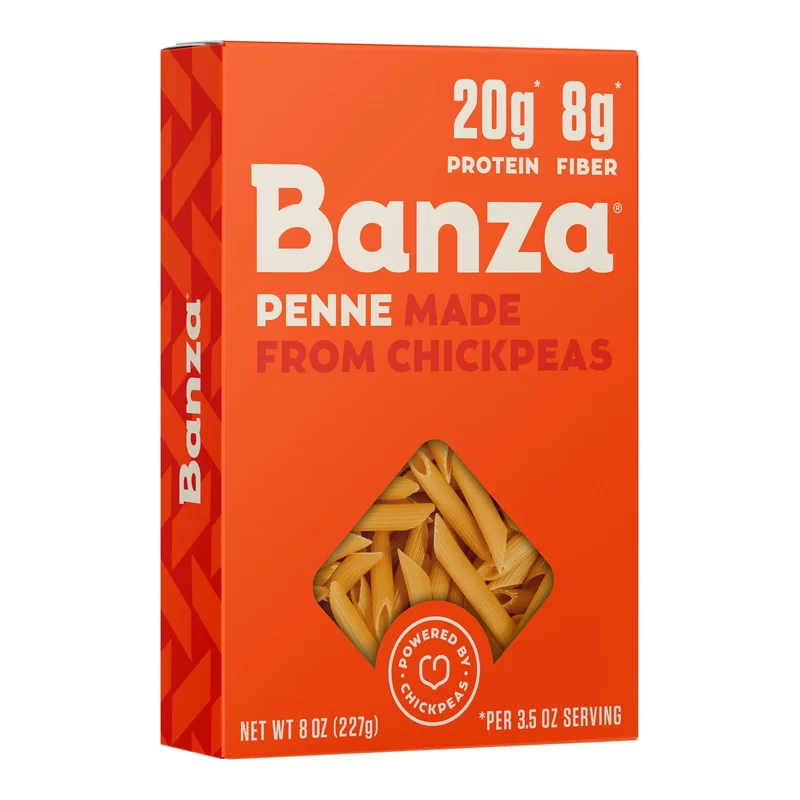
Chickpea Penne
Chickpeas lead a short list with pea starch, tapioca, and xanthan gum, adding protein and fiber while keeping a texture close to traditional penne.
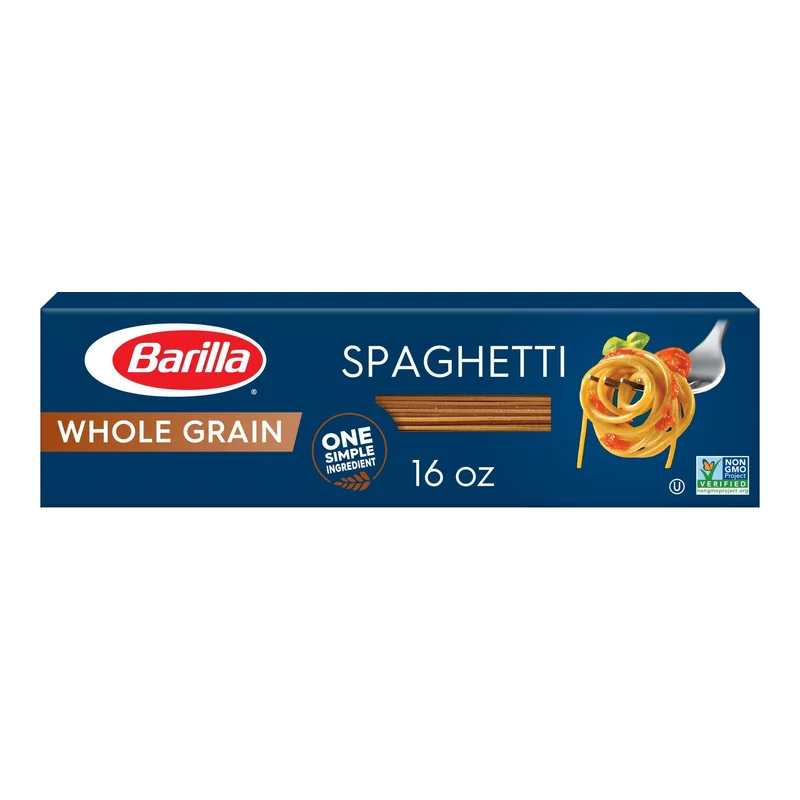
Whole Grain Spaghetti
Whole grain durum wheat flour keeps the bran and germ, so it offers more fiber than refined spaghetti, although protein stays similar to classic pasta.
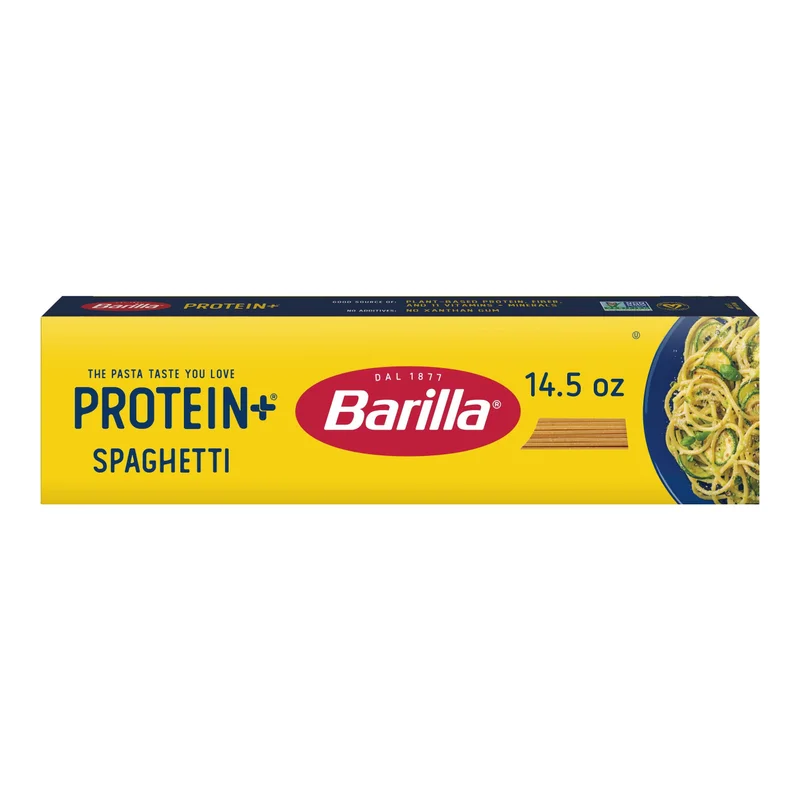
Protein+ Spaghetti
Semolina is blended with lentil, chickpea, pea protein, and spelt, which raises protein, but the base is still refined wheat with added enrichment.
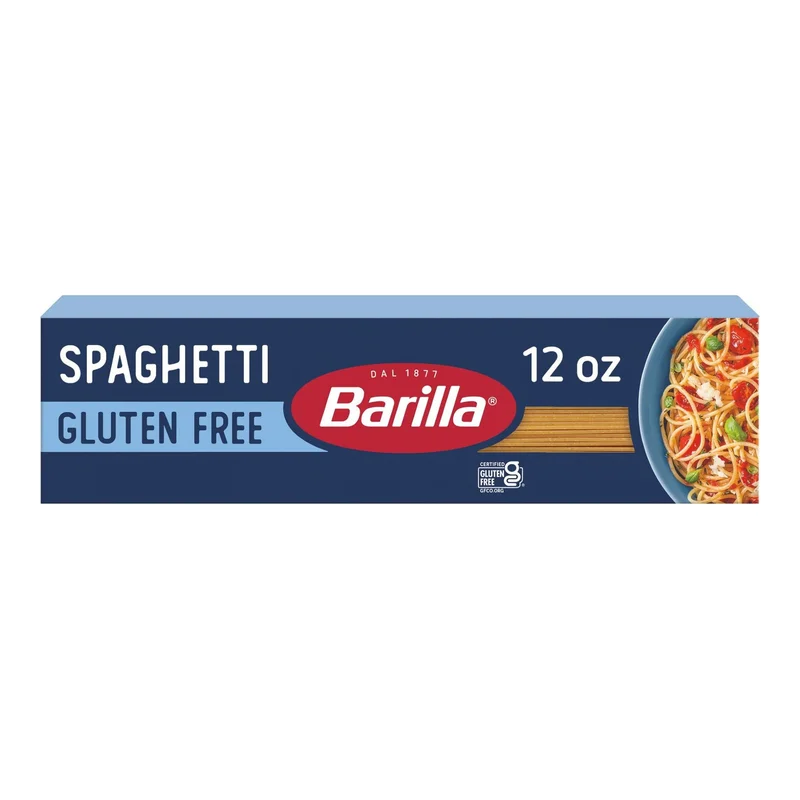
Gluten Free Spaghetti
Corn and rice flours make it safe for gluten-free diets, but it is low in fiber and protein and uses mono- and diglycerides to hold the noodles together.
How to pick a better pasta
Use this checklist in the pasta aisle:
- The first ingredient is a legume flour or whole grain flour.
- Fiber reaches at least 5 grams per 2 ounce serving.
- The list stays short, without emulsifiers or several gums.
- Gluten free is only better if you need it, since refined rice and corn pastas can be low in fiber.
- Texture differs by brand, so test one box before buying in bulk.
Mixing half legume pasta with half regular pasta is an easy family-friendly start. Cook legume pastas a minute less than the box suggests to avoid a soft texture. To compare boxes faster at the store, scan them with Osana.
Get the cleaner swaps list before your next grocery run.
One short email a week: new label checks and better-for-you products we actually tested.
No spam. Unsubscribe anytime.

Choose cleaner swaps before they land in your cart.
Use Osana at Whole Foods, Trader Joe's, Target, Costco, or Walmart to compare labels faster and shop with more confidence.