Is Yuka reliable? What the app gets right, where it falls short, and how to use it
 By Clement6 min read
Yuka is reliable as a quick, consistent first filter for packaged foods, because it applies the same published formula to every product. It is less reliable as a final verdict, especially in the US, because its nutrition score is based on a European system, its database depends partly on user submissions, and the score cannot account for portion size, your personal goals, or ingredients it does not track. The honest answer is: useful, transparent, and imperfect.
Short verdict: trust Yuka to flag obvious differences between two similar products. Do not treat a single number as a complete health judgment, and always glance at the actual label when a score surprises you.

Find the controversial ingredients already in your kitchen.
Scan packaged foods at home, understand ingredients, and find healthier alternatives in seconds.




 Scan with Osana
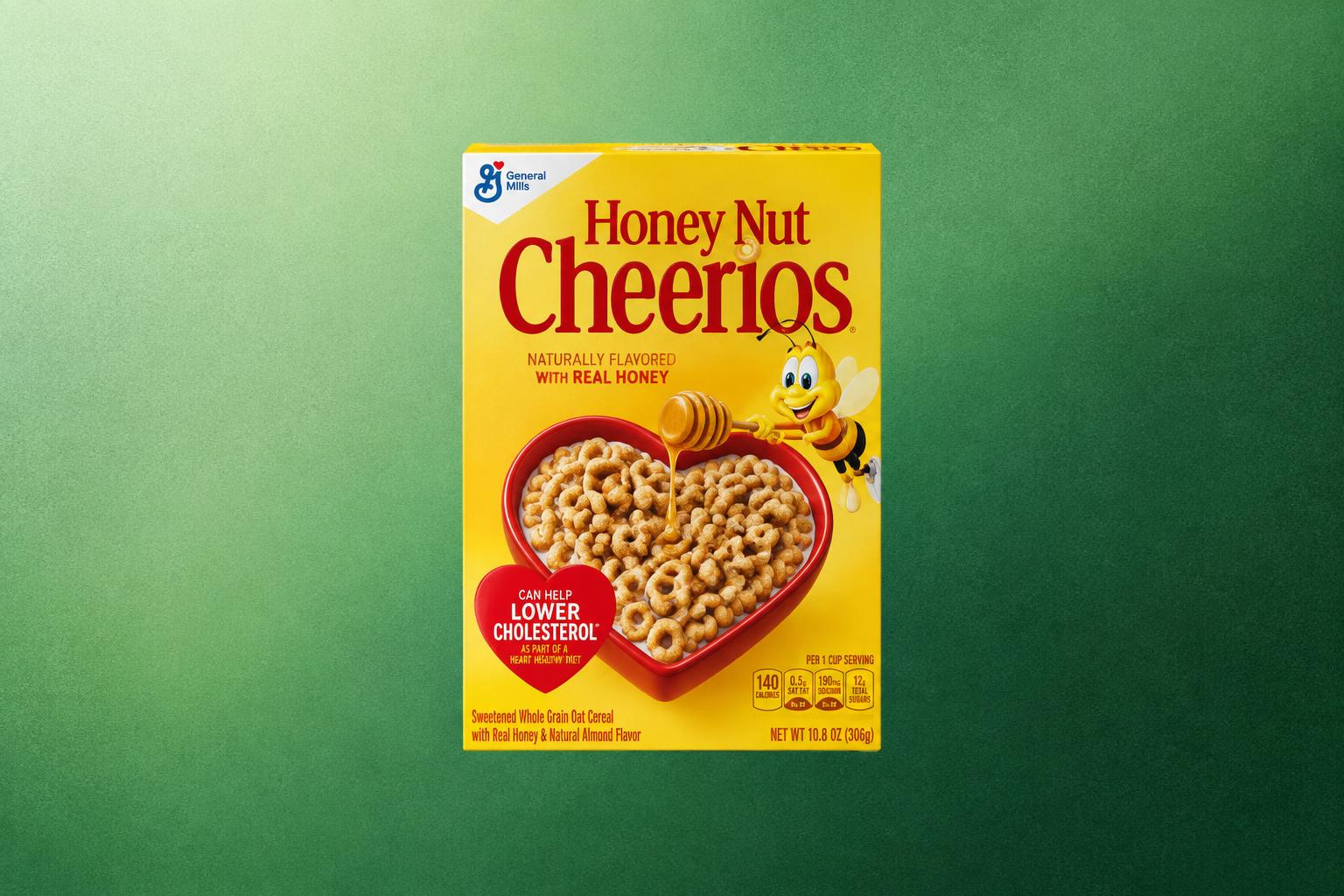
How Yuka scores food
Yuka publishes its food scoring method, which is one of its strengths. Each food gets a score out of 100 built from three parts:
| Component | Weight | What it measures |
|---|---|---|
| Nutritional quality | 60% | Based on Nutri-Score: sugar, sodium, saturated fat, calories, protein, fiber, and fruit and vegetable content |
| Additives | 30% | Each additive is assigned a risk level based on Yuka's review of research. One high-risk additive caps the score at 49 |
| Organic | 10% | Products with an organic label get a bonus |
Scores are then grouped into four bands, from excellent to poor, shown with colors. Because the method is fixed and public, two people scanning the same product see the same result, which makes Yuka consistent in a way that personal opinions are not.
Where Yuka is reliable
- Comparing similar products. Yuka is good at showing that one yogurt has less sugar or fewer additives than another.
- Flagging additives quickly. The additive section lists each additive with a short explanation and sources, saving you from looking up E numbers.
- Transparency. The method, the weighting, and the additive risk levels are published, so you can see why a product scored the way it did.
- Independence. Yuka states that it does not accept advertising or brand payments to influence scores, and Premium is offered as an optional paid tier starting around $10 a year on its Premium page.
- Consistency. The same formula is applied to every food, which removes a lot of marketing noise from the decision.
Where Yuka is less reliable
Its nutrition model was built for Europe
Nutri-Score was designed for European diets and labels. It works reasonably well across many categories, but it can produce odd results for some foods, such as penalizing olive oil, nuts, or cheese for fat and calories while rating some highly processed diet products well because their nutrient numbers look good.
US data can be incomplete
Yuka's database includes millions of products, but many entries come from user submissions with photos of labels. That helps coverage grow quickly, but US products can be missing, outdated after a reformulation, or entered with errors. A score is only as good as the label data behind it.
It does not see everything you might care about
The score does not rate seed oils, degree of processing as defined by systems like NOVA, pesticide residues in non-organic foods, or portion size. If avoiding seed oils matters to you, you still need to read the oil in the ingredient list. Our list of seed oils shows every name to look for.
The organic bonus is blunt
Organic certification earns points regardless of the product. An organic cookie can gain a bonus over a non-organic plain yogurt, even though the yogurt is the more nourishing everyday food.
Additive risk levels are judgment calls
Yuka ranks additives using its own review of studies. Many ratings are reasonable, but some are more cautious than regulators, and the research behind certain additives is still evolving. A "hazardous" label in the app does not mean an additive is banned or proven harmful at normal intakes.
Yuka vs reading the label yourself
| Question | Yuka score | Reading the label |
|---|---|---|
| Is this yogurt lower in sugar than that one? | Fast and reliable | Reliable, takes longer |
| Does this bread use seed oils? | Not scored | Clear from the ingredients |
| Is the portion I eat reasonable? | Not considered | Serving size and your habits |
| Is this product ultra-processed? | Partly reflected through additives | Ingredient list gives the full picture |
| Is this new US product correct in the app? | Depends on submitted data | Always current on the package |
The best approach combines both: let the app narrow your options, then confirm the details that matter most to you on the package.
How to use Yuka more accurately
- Compare within a category. A score is most meaningful when you compare two cereals or two yogurts, not a cereal with a soda.
- Tap into the details. Look at which nutrients and additives drove the score.
- Check the ingredient list when results surprise you. Recipes change, and database entries can lag behind.
- Add your own priorities. If you care about seed oils, sodium, or protein, read those lines yourself.
- Report errors. Correcting a wrong entry helps the next shopper.
Yuka also scans cosmetics, which some shoppers find useful in one app. Our comparison of Yuka vs Think Dirty explains how food and cosmetics scanning differ.
Conclusion
Yuka is reliable for what it is designed to do: apply a transparent, consistent formula to packaged foods so you can compare similar products quickly. It is less reliable as a final verdict because it relies on a European nutrition model, partly crowdsourced data, and a scoring system that ignores seed oils, processing level, and portion size. Use it as a smart first filter, then check the label for the details that matter to your family. If you want a scanner built around US labels, ultra-processing, and ingredients like seed oils, you can also try Osana.
Frequently asked questions
Is the Yuka app accurate?
Yuka applies its published formula accurately, but the result depends on correct product data and on whether its scoring criteria match your priorities. Errors are more common for new or reformulated US products.
Can Yuka be trusted?
Yuka is transparent about its method and states that brands cannot pay to influence scores. Treat its score as a helpful guide rather than a medical or nutritional diagnosis.
Why does Yuka give olive oil a low score?
Yuka's nutrition component is based on Nutri-Score, which counts calories and fat. Oils and some nuts can score lower than their reputation suggests.
Does Yuka work in the US?
Yes, Yuka is available in the US, but coverage of American products can be less complete than in Europe because the database relies partly on user submissions.
Get the cleaner swaps list before your next grocery run.
One short email a week: new label checks and better-for-you products we actually tested.
No spam. Unsubscribe anytime.

Choose cleaner swaps before they land in your cart.
Use Osana at Whole Foods, Trader Joe's, Target, Costco, or Walmart to compare labels faster and shop with more confidence.