Polysorbate 80 in food: what it is, where it hides, and what research shows
 By Clement6 min read
Find the controversial ingredients already in your kitchen.
Scan packaged foods at home, understand ingredients, and find healthier alternatives in seconds.




 Scan with Osana
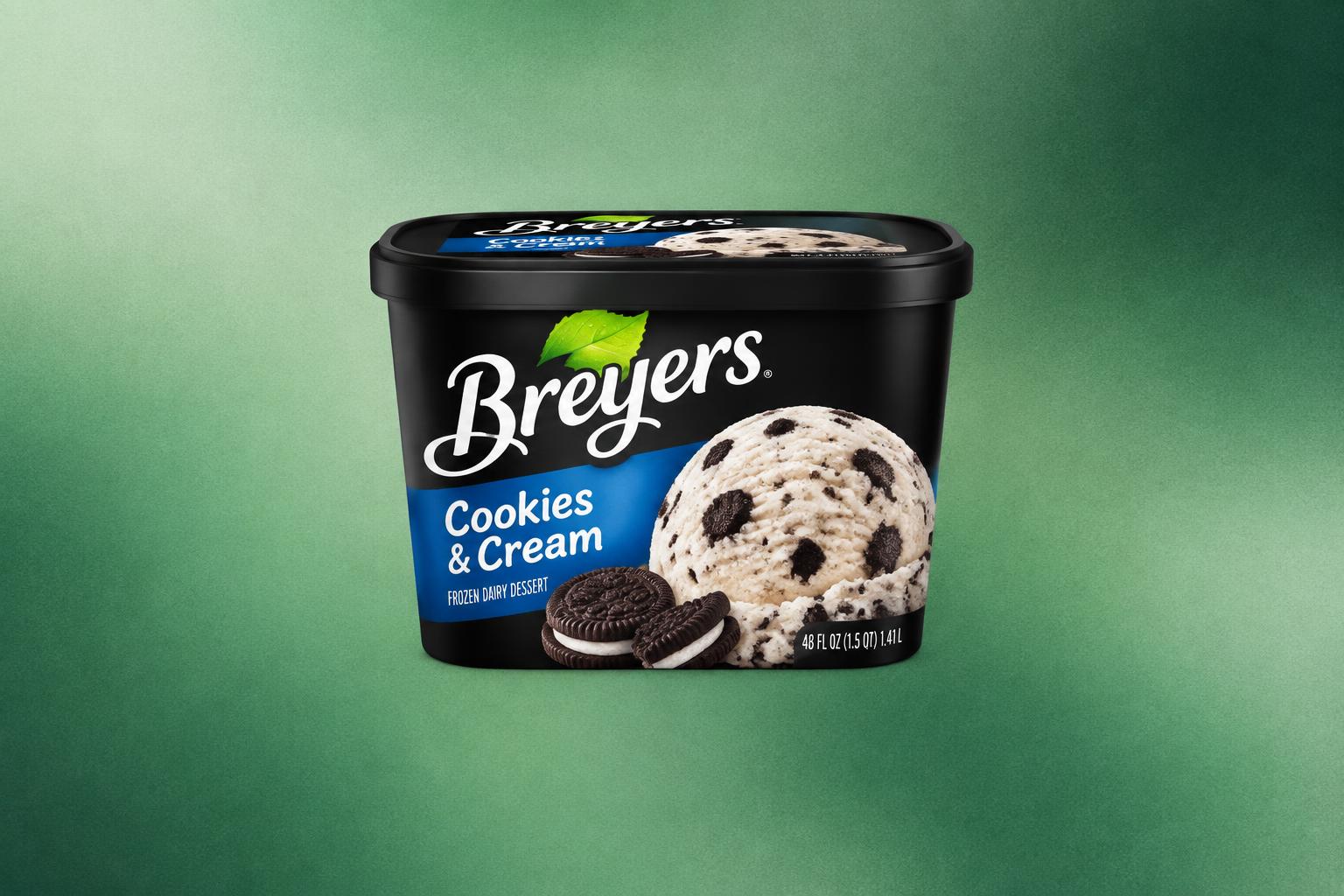
Polysorbate 80 in food is a synthetic emulsifier that keeps fats evenly blended, which is why it shows up most often in ice cream, frozen desserts, whipped toppings, and some pickles and sauces. It is approved by the FDA for specific uses at low levels. It has also drawn more research attention than most emulsifiers, because animal studies have linked high doses to changes in gut bacteria. Here is what it is, where it hides, and how to read it on a label.
What is polysorbate 80?
Polysorbate 80 is a lab-made compound built from sorbitol, a sugar alcohol, and oleic acid, a fatty acid found in olive oil, linked together through a chemical process. The result is a molecule with a water-loving end and a fat-loving end. In Europe it carries the code E433, and in labs and pharmacies it is sometimes called by the trade name Tween 80.
As a polysorbate 80 emulsifier, it is very efficient. A tiny amount can keep oil droplets dispersed, prevent ice crystals from forming large clumps, and help flavors mix evenly into watery liquids.
Why manufacturers use polysorbate 80
Food makers choose polysorbate 80 for a few specific jobs:
- Creamy, slow-melting ice cream. It helps fat droplets form a stable structure, so the texture stays smooth and the scoop holds its shape longer.
- Stable whipped toppings. It keeps aerosol and frozen toppings light and consistent.
- Flavor dispersion. In pickles and some brines, it helps oil-based flavors like dill oil spread through the liquid.
- Smooth sauces and gravies. It stops fats from separating in some shelf-stable products.
- Supplements and gummies. It helps blend oil-soluble vitamins into tablets and liquids.
Polysorbate 80 is only one of many texture additives. Our overview of emulsifiers in food compares it with lecithin, mono- and diglycerides, and carrageenan.
Foods with polysorbate 80 in a US grocery cart
In the US, polysorbate 80 is approved for a defined list of uses rather than any food. The categories where shoppers most often see it are:
| Category | Why it is used |
|---|---|
| Ice cream and frozen dairy desserts | Smooth texture, slower melting |
| Frozen novelties and sherbets | Even texture and shape |
| Whipped toppings | Stable foam |
| Dill pickles and some relishes | Dispersing flavor oils |
| Shortenings and some baking products | Better mixing and volume |
| Vitamin supplements and gummies | Blending oil-soluble nutrients |
Foods with polysorbate 80 are often mainstream, budget-friendly versions of a product. Premium ice creams with short ingredient lists, made from cream, milk, sugar, and egg yolks, usually do without it. If ice cream is a regular in your freezer, our ranking of best rated ice cream products shows how ingredient lists differ across brands.
What the FDA and current research say
The FDA permits polysorbate 80 as a food additive under conditions that limit which foods can use it and how much. For example, frozen desserts are capped at a small percentage of the finished product. In Europe it is authorized as E433, and EFSA has reviewed polysorbates as part of its re-evaluation of food additives, setting an acceptable daily intake.
The concern comes mainly from gut research:
- A 2015 study in Nature found that mice given polysorbate 80 or carboxymethylcellulose in drinking water developed changes in gut bacteria, a thinner protective mucus layer, and low-grade inflammation.
- Follow-up lab studies using human gut bacteria models have reported similar shifts in microbial activity.
- Large observational studies have linked higher overall emulsifier intake with some health outcomes, but they cannot isolate polysorbate 80 from the ultra-processed foods that contain it.
What is missing is strong evidence in people eating normal amounts. The mouse doses were high relative to typical diets, and controlled human studies on polysorbate 80 specifically are limited. The fair reading is plausible concern, not proof. For families who eat a lot of ice cream, frozen desserts, and other processed foods, choosing simpler versions is a reasonable way to reduce exposure without fear.
Polysorbate 80 on labels: how to find it
Polysorbate 80 on labels is almost always written out in full. You may also see:
- "Polysorbate 80" in the ingredient list, typically near the end.
- "Polysorbate 60" or "polysorbate 65", related emulsifiers with similar uses.
- "E433" on imported products.
A few label habits help:
- Scan the last third of the list. Emulsifiers and stabilizers cluster there.
- Count texture additives. Ice creams with polysorbate 80 often also include mono- and diglycerides, guar gum, carob bean gum, and carrageenan.
- Compare tubs side by side. Two vanilla ice creams can range from five ingredients to fifteen.
- Check frozen desserts labeled "frozen dairy dessert." These are not legally ice cream and often rely more on stabilizers and emulsifiers.
For example, one chocolate ice cream might list cream, skim milk, sugar, cocoa, and egg yolks, while a lower-priced frozen dairy dessert adds corn syrup, whey, mono- and diglycerides, polysorbate 80, and three gums. Both are legal and both taste like chocolate ice cream, but the second gives you more additives to consider.
Should you avoid polysorbate 80?
There is no need to panic about an occasional scoop. If your family eats frozen desserts several times a week, or you are trying to reduce ultra-processed foods overall, polysorbate 80 is one of the more reasonable additives to cut back on, since it appears in a narrow set of foods and simpler alternatives are easy to find.
Conclusion
Polysorbate 80 is a synthetic emulsifier that keeps ice cream creamy, toppings stable, and flavor oils mixed. It is legal and used at low levels, but it is also one of the emulsifiers most often studied for possible effects on gut bacteria, with evidence still mostly from animals. Reading the end of the ingredient list and picking shorter, simpler versions of your favorite frozen treats is an easy middle ground. If you want those label checks done in seconds, try scanning your groceries with Osana.
Frequently asked questions
Is polysorbate 80 bad for you?
It is approved by the FDA and EFSA at the levels used in food. Animal studies suggest high doses may affect gut bacteria, but human evidence at normal intakes is limited.
Is polysorbate 80 banned in Europe?
No. It is authorized in the European Union as E433 with an acceptable daily intake set by EFSA.
Is polysorbate 80 natural?
No. It is made from natural starting materials, sorbitol and oleic acid, but the final compound is produced through a chemical process.
What ice cream does not have polysorbate 80?
Many premium and simple-recipe ice creams made only from cream, milk, sugar, egg yolks, and flavorings do not use it. Check the ingredient list, since recipes vary by flavor.
Get the cleaner swaps list before your next grocery run.
One short email a week: new label checks and better-for-you products we actually tested.
No spam. Unsubscribe anytime.

Choose cleaner swaps before they land in your cart.
Use Osana at Whole Foods, Trader Joe's, Target, Costco, or Walmart to compare labels faster and shop with more confidence.