Potassium sorbate in food: what this preservative does and where you will find it
 By Clement6 min read
Potassium sorbate in food is a preservative that stops mold and yeast from growing, which helps cheese, baked goods, dips, dressings, wine, and dried fruit last longer after opening. It is the potassium salt of sorbic acid, a compound first identified in rowan berries and now made synthetically. It is one of the most widely used and best-studied preservatives, and regulators consider it safe at the levels used in food.
What it does, in one line: potassium sorbate is an anti-mold and anti-yeast preservative. It does not add flavor, color, or sweetness, and it works best in slightly acidic foods.

Find the controversial ingredients already in your kitchen.
Scan packaged foods at home, understand ingredients, and find healthier alternatives in seconds.




 Scan with Osana
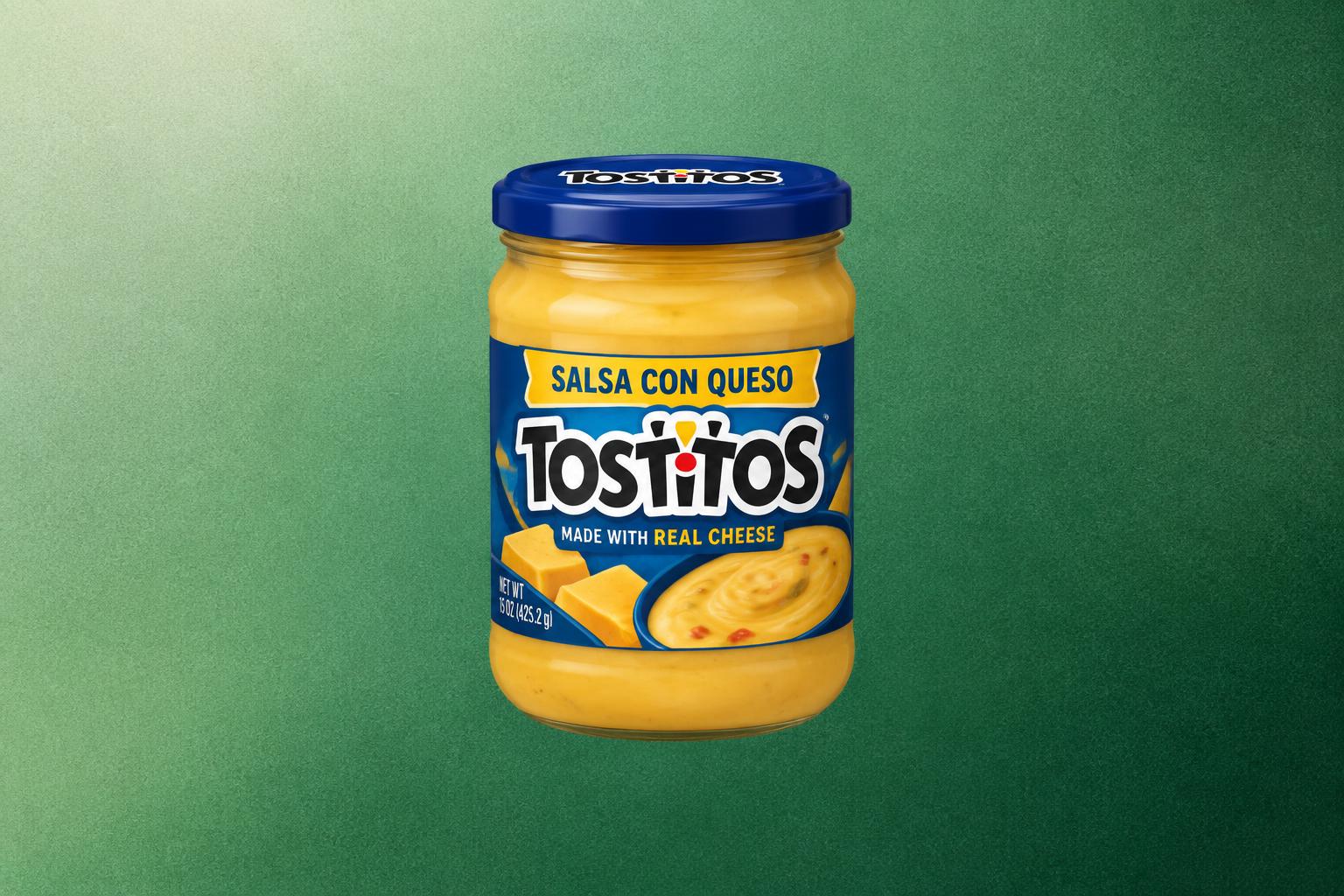
What is potassium sorbate?
Potassium sorbate is made by combining sorbic acid with potassium hydroxide. The result is a white, water-soluble salt that dissolves easily into sauces, drinks, and doughs. Once in a food, it releases sorbic acid, the active form that interferes with the growth of molds and yeasts.
In Europe it carries the code E202, and sorbic acid itself is E200. Because it is effective at low concentrations and has almost no taste, it is a favorite for products that would otherwise spoil quickly once opened.
Why manufacturers use potassium sorbate
As a potassium sorbate preservative, it solves specific spoilage problems:
- Prevents mold on moist foods, such as cheese, tortillas, and baked goods.
- Stops yeast fermentation in syrups, juices, and wine, so they do not keep fermenting in the bottle.
- Extends shelf life after opening for dips, dressings, and spreads.
- Works in acidic conditions, which matches many sauces, pickled foods, and drinks.
- Allows less refrigeration-dependent distribution, which reduces waste in the supply chain.
It is often paired with sodium benzoate, which targets bacteria and some yeasts, or with acids like citric acid and vinegar that boost its effect.
Foods with potassium sorbate
| Category | Common examples |
|---|---|
| Cheese | Shredded cheese, cheese slices, cream cheese spreads |
| Baked goods | Tortillas, packaged cakes, muffins, pie crusts |
| Dips and spreads | Salsa, hummus, guacamole cups, cheese dips |
| Dressings and condiments | Salad dressings, mayonnaise-based sauces, relish |
| Beverages | Fruit drinks, flavored waters, some sodas, wine |
| Dried fruit | Prunes, apricots, raisins, dried figs |
| Sweet toppings | Syrups, fruit fillings, frosting |
Foods with potassium sorbate are mostly products that are moist, slightly acidic, and expected to last days or weeks after opening. Condiments are a good example: preservatives often stack with sugar and flavorings in that aisle.
What the FDA and current research say
In the US, potassium sorbate is generally recognized as safe as a chemical preservative. In Europe it is authorized as E202, and EFSA has reassessed sorbic acid and its salts as part of its broader re-evaluation of food additives, setting an acceptable daily intake that typical diets stay well below.
What the research shows:
- Low toxicity. In the body, sorbic acid is metabolized much like a fatty acid and broken down into carbon dioxide and water.
- Long track record. It has been used for decades, and animal studies at normal dietary exposure have not shown meaningful harm.
- Lab study questions. Some cell studies have reported effects at high concentrations, but these conditions do not reflect normal food intake, and the findings have not been confirmed in people.
- Skin sensitivity. Rare reactions are mostly linked to cosmetics and topical products, where sorbates are also used.
The fair summary is that potassium sorbate is one of the lower-concern preservatives. Seeing it on a label is more useful as a sign of how processed and shelf-stable a product is than as a red flag. If you are curious about other preservatives with more debate around them, our guide to BHA in food is a useful comparison.
Potassium sorbate vs other preservatives
| Preservative | Main target | Where you see it |
|---|---|---|
| Potassium sorbate | Molds and yeasts | Cheese, baked goods, dips, wine |
| Sodium benzoate | Bacteria and yeasts in acidic foods | Sodas, pickles, dressings |
| Calcium propionate | Mold in bread | Sandwich bread, rolls |
| BHA and BHT | Fat rancidity | Cereals, snacks, chewing gum |
| Natural options | Vinegar, cultured dextrose, rosemary extract | "Clean label" products |
Potassium sorbate on labels: how to read it
Potassium sorbate on labels is usually written out with its purpose, for example "potassium sorbate (preservative)" or "potassium sorbate added to maintain freshness." A few tips:
- Check refrigerated products too. Fresh-looking dips and salsas often include it to extend life after opening.
- Look for pairs. Potassium sorbate plus sodium benzoate is common in dressings and drinks.
- Compare with simpler versions. Many brands now sell refrigerated products preserved with vinegar, salt, or cultured ingredients instead.
- Consider how quickly you will eat it. If you finish a tub of hummus in two days, a preservative-free version may suit you better.
- Know the clean-label swaps. "Cultured dextrose" and "cultured wheat sugar" are fermentation-based preservatives that do a similar job.
For example, one shredded cheddar might list cheddar cheese, potato starch, and natamycin, while another lists cheddar cheese, cellulose, and potassium sorbate. Both prevent mold, using different preservatives.
Conclusion
Potassium sorbate is a widely used preservative that keeps mold and yeast out of cheese, baked goods, dips, dressings, drinks, and dried fruit. It is approved in the US and Europe, breaks down in the body much like a fatty acid, and is generally considered one of the lower-concern preservatives at normal intakes. If you prefer fewer additives, compare it with versions preserved by vinegar, salt, or cultured ingredients, and buy smaller containers you will finish quickly. If you want help spotting preservatives as you shop, try scanning your groceries with Osana.
Frequently asked questions
Is potassium sorbate bad for you?
Potassium sorbate is considered safe at the levels used in food by US and European regulators. It is metabolized into harmless compounds and has a long safety track record.
Is potassium sorbate natural?
It is chemically identical to a compound first found in rowan berries, but the potassium sorbate used in food is produced synthetically.
Why is potassium sorbate in wine?
Winemakers add it to stop leftover yeast from fermenting remaining sugar after bottling, which keeps sweet wines stable.
What is the difference between potassium sorbate and sodium benzoate?
Potassium sorbate mainly targets molds and yeasts, while sodium benzoate works best against bacteria and yeasts in acidic foods. They are often used together.
Get the cleaner swaps list before your next grocery run.
One short email a week: new label checks and better-for-you products we actually tested.
No spam. Unsubscribe anytime.

Choose cleaner swaps before they land in your cart.
Use Osana at Whole Foods, Trader Joe's, Target, Costco, or Walmart to compare labels faster and shop with more confidence.