What is BHA in food? The preservative explained, plus how to spot it on US labels
 By Clement6 min read
Find the controversial ingredients already in your kitchen.
Scan packaged foods at home, understand ingredients, and find healthier alternatives in seconds.




 Scan with Osana
What is BHA in food, in plain terms
BHA (butylated hydroxyanisole) is a synthetic antioxidant added to foods to keep fats and oils from going rancid. It slows the oxidation that makes chips, cereals, and snack mixes taste stale or "off," which extends shelf life. In the US it is permitted in small amounts, but it is also one of the more debated preservatives because of how some agencies classify its potential cancer risk.
If you have seen a video about additives that are "allowed here but questioned elsewhere" and wondered whether BHA is in your pantry, this guide covers what it is, what the science and regulators say, and how to find it on a package in a few seconds.
What BHA does in a product
Fats react with oxygen over time. That reaction creates off flavors and odors, especially in foods with added oils or animal fats. BHA interrupts the reaction, so the product keeps its intended taste longer on the shelf and in your cupboard.
You will usually find it where fat and a long shelf life meet:
- Breakfast cereals, sometimes added to the liner or packaging instead of the cereal itself
- Snack foods such as some chips, crackers, and snack mixes
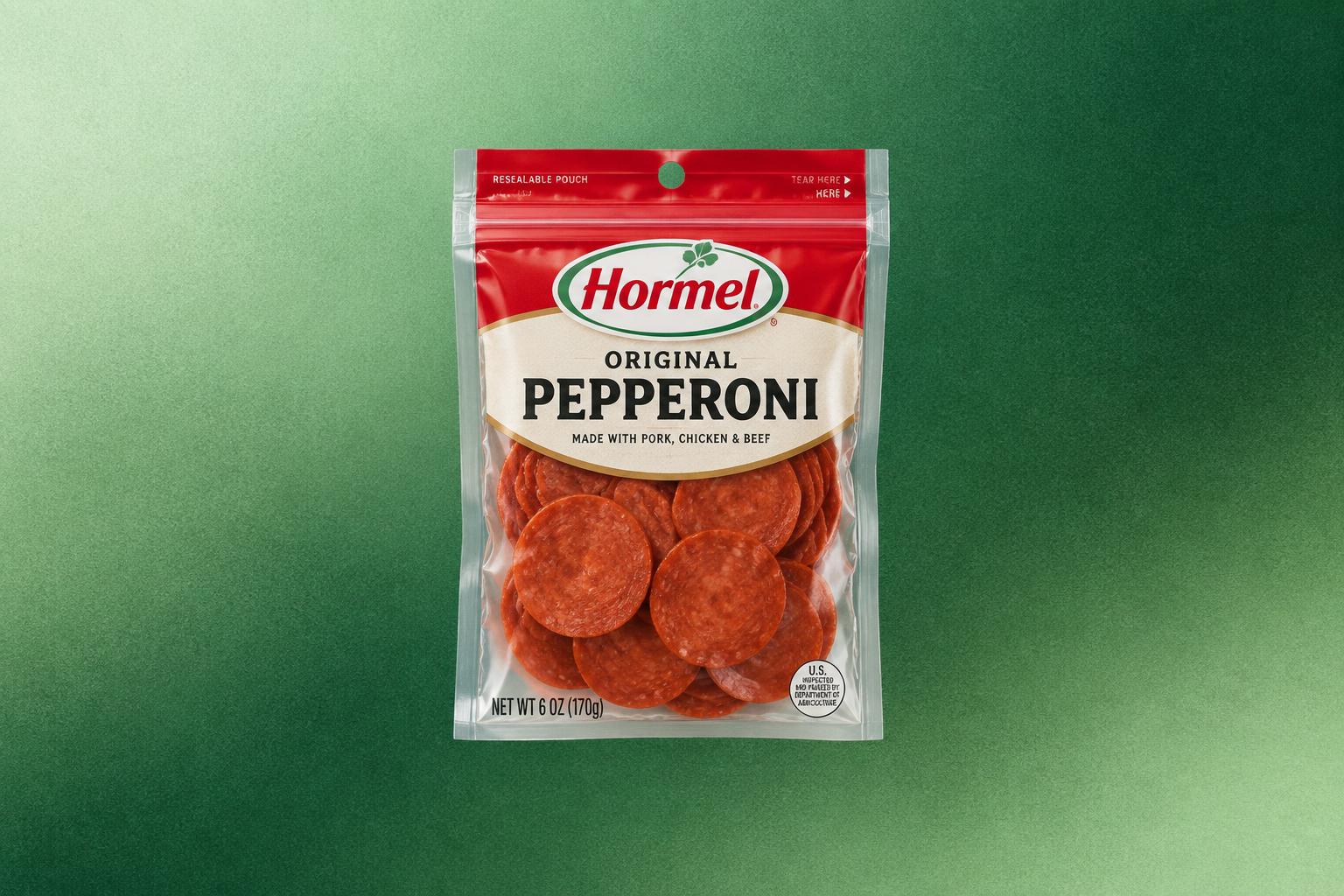
- Processed meats, including some sausages and dried or cured products
- Shortenings, lard, and fats used in baking
- Chewing gum and some dessert or drink mixes
BHA is often paired with its chemical cousin BHT (butylated hydroxytoluene), and sometimes with TBHQ or propyl gallate. Manufacturers combine them because they protect fats in slightly different ways.
The regulatory context in the US and abroad
United States
The FDA allows BHA as a food additive and lists it as generally recognized as safe (GRAS) for use as a preservative, with limits. For most uses, the combined total of antioxidants cannot exceed 0.02% of the fat or oil content of the food. You can see the FDA's inventory of permitted substances in its Substances Added to Food database.
The complicating factor is that the US National Toxicology Program lists BHA in its Report on Carcinogens as "reasonably anticipated to be a human carcinogen." That listing is based largely on studies where high doses caused tumors in the forestomach of rodents, an organ humans do not have. The International Agency for Research on Cancer (IARC), part of the WHO, classifies BHA as Group 2B, "possibly carcinogenic to humans." California also lists BHA under Proposition 65, which is why some products sold there may carry a warning.
In 2024 and 2025, the FDA announced that it would reassess several older chemicals already on the market, and BHA is among the additives it has named for review. That process is ongoing, so it is worth watching for updates rather than assuming the current status is final.
European Union
BHA is not banned in the EU, despite what some social posts claim. It is authorized as additive E320 with specific limits. The European Food Safety Authority re-evaluated it in 2011 and set an acceptable daily intake of 1.0 mg per kg of body weight per day, concluding that typical exposure was below that level for most people (EFSA scientific opinion). The difference between regions is more about permitted food categories and limits than an outright yes or no.
What this means for you
The honest summary is that regulators consider current low-level use acceptable, while some agencies flag potential concern based on animal data at much higher doses. Evidence in humans is limited. There is no need to panic about a single serving, but if you prefer to keep synthetic preservatives to a minimum, BHA is a reasonable one to reduce, and it is usually easy to swap out.
How to spot BHA on a US ingredient label
On a BHA ingredient label, the additive appears in the ingredient list, not the Nutrition Facts panel. Look for any of these forms:
- BHA
- Butylated hydroxyanisole
- "BHA added to preserve freshness" or "BHA (to maintain freshness)"
- "Freshness preserved by BHA"
- E320, mostly on imported products
A few label-reading tips that save time in the aisle:
- Check the end of the list. BHA is used in tiny amounts, so it is usually one of the last ingredients, often inside parentheses after an oil, for example "vegetable oil (palm, BHA added to preserve freshness)."
- Read the packaging line. Some cereals state "BHT added to packaging material to preserve freshness." That is BHT, not BHA, and it refers to the bag liner. Both are worth knowing, but they are not the same ingredient.
- Look at the fat source. Products using shortening, lard, or tallow are more likely to include an antioxidant. If you are already checking oils, our guide to seed oil label names pairs well with this step.
- Scan processed meats carefully. Sausages and meat snacks can list BHA alongside BHT and citric acid. If you shop the deli case, compare options using our healthiest deli meat rankings.
A quick store scenario
Say you are at Target comparing two boxes of whole-grain cereal for your kids. Both have similar sugar and fiber. One lists "BHA added to preserve freshness" at the end; the other lists "mixed tocopherols (vitamin E) to maintain freshness." Nutritionally they are close, but the second uses a naturally derived antioxidant. If avoiding BHA matters to you, that is your easy tiebreaker.
Common BHA alternatives on cleaner labels
Many brands, especially those sold at Whole Foods and Trader Joe's, have moved to antioxidants such as:
- Mixed tocopherols (vitamin E)
- Rosemary extract
- Ascorbic acid or ascorbyl palmitate (vitamin C forms)
- Citric acid
These do the same basic job of protecting fats. Some products skip added antioxidants altogether and rely on nitrogen-flushed packaging or shorter shelf lives, so check the "best by" date and store opened bags sealed.
Keep in mind that a BHA-free label does not automatically make a product healthy. A snack can be free of synthetic preservatives and still be high in sodium, added sugar, or refined ingredients, so look at the whole label.
The bottom line
BHA is a synthetic antioxidant that keeps fats fresh in cereals, snacks, meats, and shortenings. It is legal in both the US and EU within set limits, but it carries a "possible carcinogen" classification based mainly on high-dose animal studies, and the FDA has flagged it for reassessment. If you would rather limit it, look for "BHA," "butylated hydroxyanisole," or E320 near the end of the ingredient list and choose products preserved with tocopherols or rosemary extract instead. If you want a faster way to check your pantry, you can try scanning a few barcodes with Osana and see which products contain BHA.
Frequently asked questions
Is BHA the same as BHT?
No. They are related synthetic antioxidants with similar jobs, but they are different compounds. BHT is also found in cereals and packaging and has its own safety assessments.
Is BHA banned anywhere?
It is not banned in the EU, where it is permitted as E320 with limits. Rules differ by country and food category, so a product formula sold abroad may differ from the US version.
Does "BHA added to packaging" mean it is in the food?
Preservatives in packaging liners can migrate into food in small amounts, which is why they are disclosed. The amount is typically very low.
Is BHA allowed in organic food?
No. BHA is not on the USDA National List of allowed synthetic substances for organic products, so a certified organic label is a quick way to avoid it.
Get the cleaner swaps list before your next grocery run.
One short email a week: new label checks and better-for-you products we actually tested.
No spam. Unsubscribe anytime.

Choose cleaner swaps before they land in your cart.
Use Osana at Whole Foods, Trader Joe's, Target, Costco, or Walmart to compare labels faster and shop with more confidence.