Serving Size vs Portion Size: A US Label-Reading Guide
 By Clement7 min read
What is the difference between serving size and portion size?
A serving size is a standardized, FDA-regulated amount printed on the Nutrition Facts label. A portion size is simply how much you actually eat. These two numbers are often very different, and that gap is one of the most common reasons people misread calorie and nutrient counts at the grocery store.
Understanding both terms helps you make faster, more accurate decisions in the cereal aisle, the snack section, or anywhere else a Nutrition Facts panel appears.

Find the controversial ingredients already in your kitchen.
Scan packaged foods at home, understand ingredients, and find healthier alternatives in seconds.



 Scan with Osana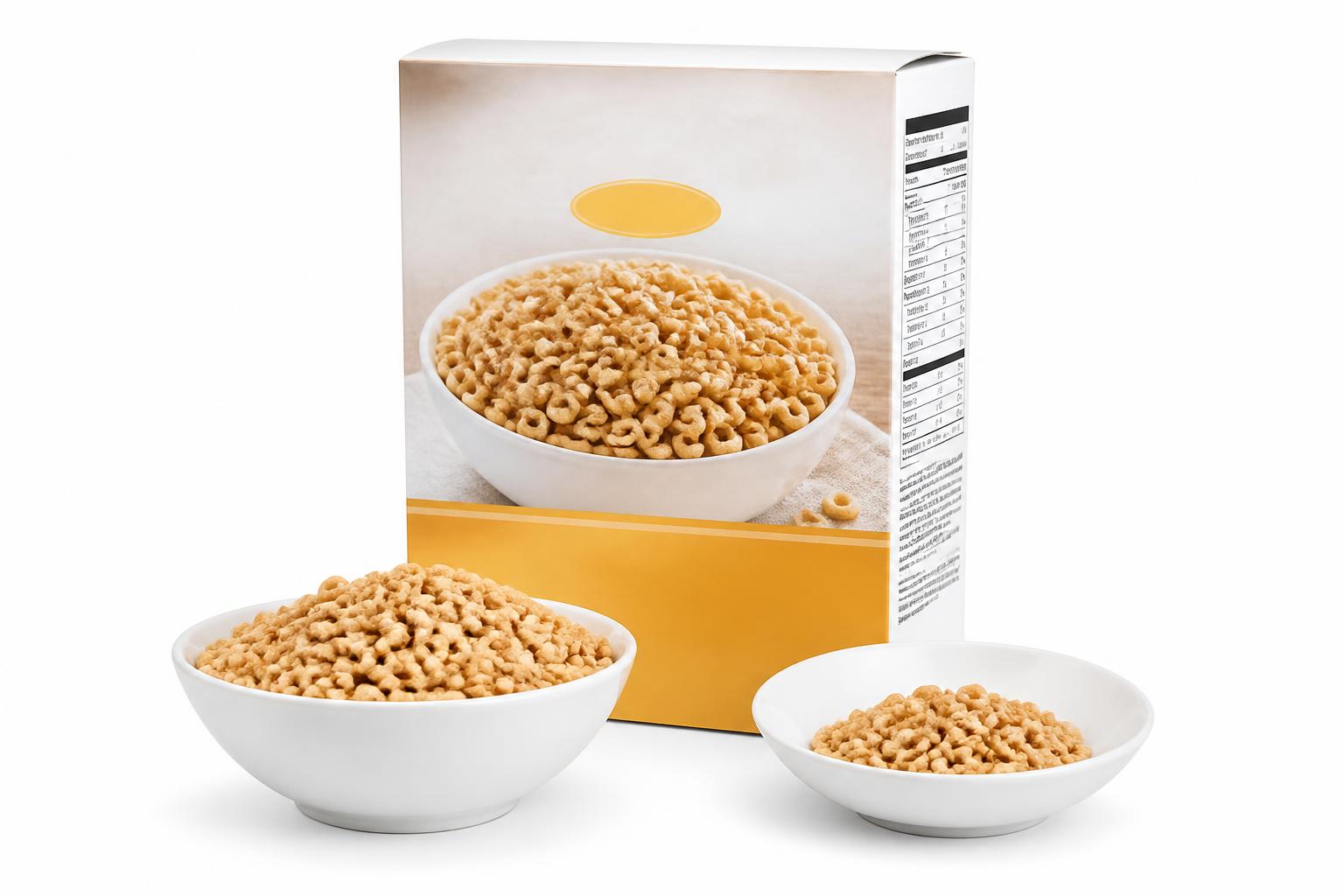
Serving size meaning: what the FDA actually defines
The FDA defines serving size as a "Reference Amount Customarily Consumed" (RACC). After a 2016 rule update that took full effect by 2020, the FDA revised these reference amounts to better reflect how Americans actually eat today, not how they ate in the 1990s.
A few real-world examples of how this plays out on shelves:
- Ice cream: The serving size changed from half a cup to two-thirds of a cup, because data showed most people eat more.
- Soda (20 oz bottle): The entire bottle is now listed as one serving, since most people drink the whole thing.
- Chips: A serving is typically about 1 ounce, which is roughly 10 to 15 chips depending on the brand.
The serving size is printed in a larger, bolder font near the top of the Nutrition Facts panel under the 2020 label redesign. All the nutrient numbers below it, including calories, sodium, and added sugar, apply only to that stated amount.
Portion size meaning: what you actually eat
Portion size has no regulatory definition. It simply describes the amount of food you choose to put on your plate or in your bowl. There is no right or wrong portion size in a legal sense, but the gap between your portion and the label's serving size directly affects whether the numbers on the label match what you are actually consuming.
A practical example: a popular granola brand lists a serving size as half a cup, which shows 200 calories. If you pour a full cup into your bowl, you are eating 400 calories, but the label still says 200. Nothing on the package alerts you to that doubling unless you do the math yourself.
This is not a trick by manufacturers. It is simply how the label system works. Knowing the difference between serving size vs portion size is what lets you use the label accurately.
Why this matters for common grocery categories
Cereals and granola
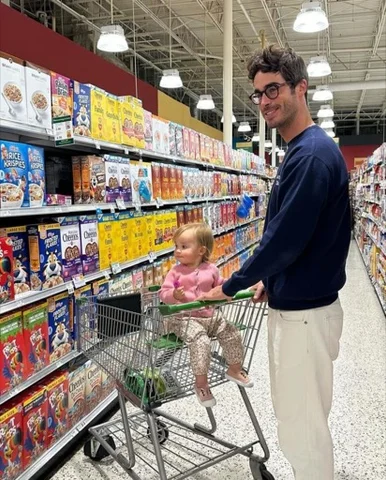
Cereal serving sizes are notoriously small. Many brands list three-quarter cup as a serving, but a realistic bowl is closer to one and a half to two cups. That means the sugar and calorie counts you see on the label could be two to three times higher in practice. For a deeper look at which cereals hold up under scrutiny, see our guide to the best healthy cereals at US grocery stores.
Packaged snacks
Chips, crackers, and cookies often use serving sizes of one ounce or a small handful. A standard bag of chips at a convenience store can contain two or three servings, but most people eat the whole bag in one sitting. The front-of-pack calorie count printed on some bags now reflects the full package for single-serve items, which is a helpful improvement from the FDA update.
Frozen meals
Some frozen pasta dishes and casseroles list two servings per container, even though the package looks like a single meal. Always check the "servings per container" line at the very top of the Nutrition Facts panel before reading any other number.
Peanut butter and nut butters
Two tablespoons is the standard serving size. It is easy to use three or four tablespoons on toast without noticing. At roughly 190 calories per two tablespoons, the difference adds up quickly.
How to use the label correctly in three steps
- Find the serving size and servings per container first. These two lines sit at the top of the panel and anchor every number below them.
- Estimate your actual portion. Use a measuring cup or spoon once or twice to calibrate your eye. Most people consistently underestimate by 30 to 50 percent.
- Scale the nutrients. If the serving size is one cup and you eat two cups, double every number on the label, including sodium, added sugar, and saturated fat.
The FDA's updated Nutrition Facts label overview walks through each section of the panel if you want the full regulatory context.
What the research says about portion distortion
A well-cited concept in nutrition science is "portion distortion," the tendency for people to view larger portions as normal over time. Research published in the American Journal of Public Health documented how restaurant and packaged food portions grew significantly between the 1970s and early 2000s, reshaping what Americans consider a normal amount to eat.
The National Heart, Lung, and Blood Institute also maintains resources on portion distortion that are worth reviewing if you are recalibrating your household's eating habits.
Understanding serving size meaning in the context of these trends helps explain why the FDA revised its reference amounts in 2016. The goal was to make labels reflect reality, not an idealized eating scenario from decades ago.
Reading labels beyond serving size
Serving size is just one piece of the label puzzle. Once you have the serving size right, the next layer is understanding what ingredients are actually inside the product. For a full walkthrough of the Nutrition Facts panel and ingredient list together, our complete guide to the Nutrition Facts label covers every section in plain language.
Conclusion
Serving size is a regulated FDA number that tells you what all the label data is based on. Portion size is what you actually eat. Closing the gap between the two, by checking the serving size first and estimating your real portion, is one of the simplest ways to read a food label more accurately. If you want to go a step further and scan the ingredient list for additives, ultra-processed ingredients, and cleaner alternatives while you shop, Osana makes that part easy too.
Frequently asked questions
Is serving size the same as portion size?
No. Serving size is a standardized amount set by the FDA and printed on the Nutrition Facts label. Portion size is the amount you personally choose to eat, which may be more or less than the serving size.
Who decides what a serving size is?
The FDA sets serving sizes based on Reference Amounts Customarily Consumed (RACC), which are updated periodically to reflect actual eating patterns. The most recent major update took full effect in 2020.
Why does a package say 2.5 servings if it looks like one portion?
Manufacturers are required to list servings based on FDA reference amounts, not on what a single person typically eats in one sitting. This is common with beverages, snack bags, and frozen meals.
How do I know if I am eating more than one serving?
Check the "servings per container" line at the top of the Nutrition Facts panel. If it says 2, and you eat the whole package, multiply every nutrient value by 2.
Does serving size affect the daily value percentages on the label?
Yes. All percent daily value figures on the label are calculated based on the stated serving size. If you eat twice the serving size, you are consuming roughly twice the percent daily value for each nutrient listed.
Are serving sizes the same across all brands for the same food?
Generally yes for similar product categories, because the FDA sets reference amounts by food type. However, minor differences can exist, so it is always worth checking the label rather than assuming.
Get the cleaner swaps list before your next grocery run.
One short email a week: new label checks and better-for-you products we actually tested.
No spam. Unsubscribe anytime.

Choose cleaner swaps before they land in your cart.
Use Osana at Whole Foods, Trader Joe's, Target, Costco, or Walmart to compare labels faster and shop with more confidence.