What is BHT in cereal? Why it is used, and how to read the label
 By Clement6 min read
Find the controversial ingredients already in your kitchen.
Scan packaged foods at home, understand ingredients, and find healthier alternatives in seconds.




 Scan with Osana
BHT in cereal is a synthetic antioxidant called butylated hydroxytoluene that keeps the fats in grains and coatings from going stale or rancid. It may be added directly to the cereal, or added to the bag liner so it slowly protects the product during storage. Your label tells you which one: "BHT added to preserve freshness" usually means it is in the food, while "BHT added to packaging material" means it was used in the liner instead.
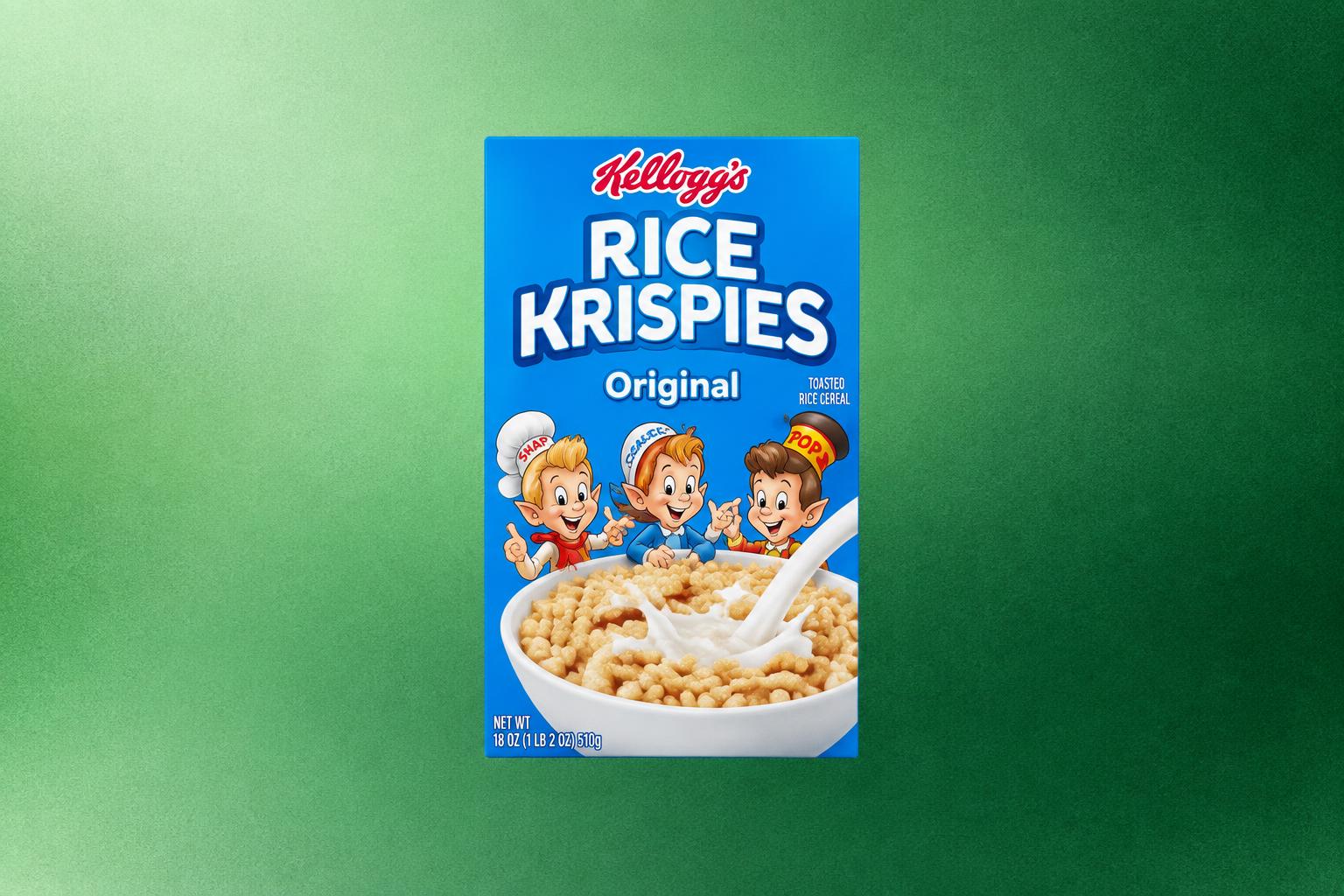
What is BHT?
BHT, short for butylated hydroxytoluene, is a lab-made antioxidant first used in food in the 1950s. Like its close relative BHA, it slows oxidation, the chemical reaction that makes fats taste stale, cardboard-like, or rancid over time.
As a BHT preservative, it is used in tiny amounts, measured in parts per million. It is also used outside of food, in cosmetics, rubber, and plastics, which is part of why some shoppers feel uneasy seeing it in breakfast food.
Why BHT is used in cereal or its packaging
Even low-fat cereals contain some oil from whole grains, nuts, or added coatings. Once a box sits in a warehouse, a store shelf, and then your pantry, those fats slowly oxidize. BHT helps cereal makers:
- Extend shelf life for flakes, puffs, and clusters that may sit for months.
- Protect flavor in toasted grains, nut pieces, and sweet coatings.
- Keep texture consistent, since oxidized fats can change crunch and aroma.
There are two ways it can be used:
- Directly in the cereal. BHT is mixed into the food or the coating.
- In the packaging liner. BHT is built into the inner bag. Small amounts can migrate to the food during storage, which is the point, but far less ends up in the cereal than when it is added directly.
BHT on cereal labels: how to read it
BHT on cereal labels usually appears at the very end of the ingredient list, often in parentheses. Here is how to interpret the common wording:
| Label wording | What it usually means |
|---|---|
| "BHT added to preserve freshness" | BHT was added to the cereal itself |
| "BHT added to packaging material to preserve freshness" | BHT is in the bag liner, not mixed into the food |
| "Freshness preserved by mixed tocopherols" | The brand uses vitamin E based antioxidants instead |
| "Rosemary extract" | A plant-based antioxidant used as an alternative |
| No antioxidant listed | None was added, or the cereal relies on packaging and short shelf life |
Packaging-only BHT is considered an indirect use, so brands are not always required to list it. Many still do, which is helpful for shoppers who want to avoid it.
Which cereals tend to contain BHT?
Formulations change often, so the only reliable answer is the label on the box in your cart. In general, BHT is more common in:
- Classic flaked and puffed rice or corn cereals, especially mainstream brands.
- Frosted or coated cereals, where the coating contains fat.
- Some granola and cluster cereals that include nuts and oils.
- Store-brand versions of popular cereals, which may differ from the name brand.
Several large brands have reformulated over the past decade to replace BHT with mixed tocopherols, so a cereal you remember from childhood may now read differently. Comparing two similar boxes side by side, such as a name-brand crisp rice cereal and a store brand, is the quickest way to see the difference.
What the FDA and current research say about BHT
In the US, BHT is a permitted food additive. Federal rules allow it in dry breakfast cereals at up to 50 parts per million, counting BHA and BHT together. It is also allowed in food packaging materials. In Europe, BHT is authorized as E321 under limits set after EFSA reviews of food additives.
Research on butylated hydroxytoluene in food is mixed and mostly comes from animal studies at doses far higher than people get from cereal. Some animal studies have reported effects on the liver, thyroid, or tumor development, while others have reported no harm or even protective effects. The International Agency for Research on Cancer considers BHT not classifiable as to its carcinogenicity in humans, which reflects limited evidence rather than proof of safety or harm.
BHT is also part of a broader push to reexamine older additives. The FDA has said it plans to review several long-approved food chemicals, and BHT is among those that have drawn public attention. You can check an ingredient's current status in the FDA's food additive status list.
The honest summary: current use levels are legal and low, but the research base is old and not fully settled. Choosing a cereal without BHT is a reasonable preference, not an emergency.
BHT vs BHA
BHT and BHA are often used together and have similar jobs. BHA has faced more scrutiny because of animal studies that led to its listing as a possible carcinogen in some reviews. If you see both on a label, the product uses two synthetic antioxidants. Our guide on BHA in food covers that ingredient in detail.
How to choose cereal without BHT
- Read the last line of the ingredient list. That is where BHT almost always appears.
- Look for alternatives. Mixed tocopherols, vitamin E, or rosemary extract do the same job.
- Do not assume "natural" claims tell the full story. Check the ingredients, since claims on the front are marketing language.
- Compare store brands and name brands. They often use different preservatives.
- Consider shorter ingredient lists. Plain oats, shredded wheat, and simple puffed grains rarely need added antioxidants.
BHT is just one of several preservatives and texture additives you might see on packaged foods, alongside the emulsifiers used in many snacks and spreads.
Conclusion
BHT in cereal is a synthetic antioxidant that keeps fats from going rancid, used either in the food or in the bag liner. It is legal at low levels in the US, the research is dated and mixed, and many brands now use vitamin E based alternatives instead. The label wording tells you exactly how it is used, so a quick look at the final line of ingredients is all you need. If you want to check cereals and other pantry staples faster, try scanning your groceries with Osana.
Frequently asked questions
Is BHT banned in Europe?
No. BHT is authorized in the European Union as E321 with specific limits. Some brands sold in Europe still choose alternatives, which can make labels differ between countries.
Is BHT in packaging safer than BHT in cereal?
Packaging-only use generally means less BHT reaches the food, but some does migrate. If you prefer to avoid it entirely, choose cereals that list tocopherols or no antioxidant at all.
Why do some cereals list vitamin E instead of BHT?
Mixed tocopherols are forms of vitamin E that act as natural antioxidants. Many brands switched to them to meet shopper demand for familiar ingredients.
Is BHT the same as BHA?
No. They are different synthetic antioxidants with similar uses, and they are often used together in the same product.
Get the cleaner swaps list before your next grocery run.
One short email a week: new label checks and better-for-you products we actually tested.
No spam. Unsubscribe anytime.

Choose cleaner swaps before they land in your cart.
Use Osana at Whole Foods, Trader Joe's, Target, Costco, or Walmart to compare labels faster and shop with more confidence.