Is bread ultra-processed? How to tell from the ingredient list
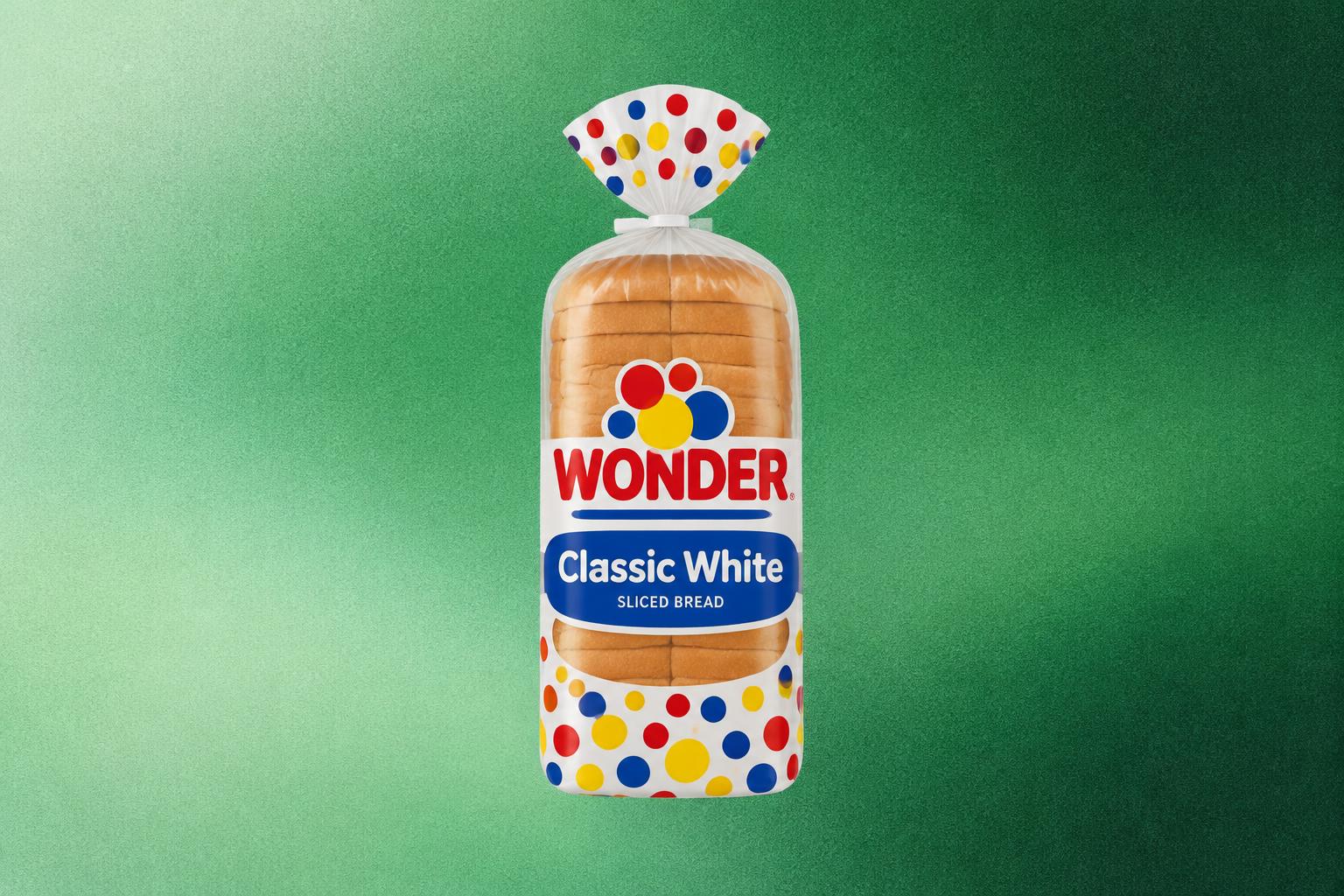
Is bread ultra-processed? It depends on the loaf. Bread made from flour, water, salt and yeast, or a sourdough starter, is a processed food by NOVA's logic, not an ultra-processed one. Many packaged sandwich loaves go further, adding emulsifiers, dough conditioners, added sugars and a mold inhibitor, and that kind of recipe leans ultra-processed. Those additives are permitted, within limits, by the federal standard for bread, and a sandwich loaf isn't something to fear. It's simply a different food from a four-ingredient loaf. The good news: a 30-second look at the ingredient list tells you which one you're holding.

Find the controversial ingredients already in your kitchen.
Scan packaged foods at home, understand ingredients, and find healthier alternatives in seconds.




 Scan with Osana
Is bread ultra-processed? The short answer
Simple bread is processed, not ultra-processed. The NOVA classification, described in a 2019 report for the FAO, places simple breads made from flour, water, salt and yeast among processed foods in group 3 (Monteiro et al., FAO 2019). Ultra-processed foods in group 4 are formulations made with industrial ingredients and cosmetic additives, such as emulsifiers.
Why does this matter at the bread shelf? In the US, ultra-processed foods made up 55.0% of calories for everyone aged 1 and older in 2021 to 2023. Sandwiches (including burgers) and sweet bakery products were among the top calorie sources from ultra-processed foods for both youth and adults (CDC NCHS Data Brief No. 536). A sandwich starts with bread, so the loaf in your cart is one of the easier places to make a swap.
So the useful question isn't "is bread processed?" because every loaf is. It's "what was added to the dough?" Here's how two typical labels compare, and our guide to the NOVA food classification explains all four groups.
Notice what isn't highlighted: sugar and soybean oil. By NOVA's logic, those are kitchen ingredients, so on their own they don't push a loaf into group 4, though added sugars are still worth checking. The emulsifiers and conditioners are what tip the balance. Our guide to processed vs ultra-processed foods shows the same split with yogurt, chickpeas and cheese.
Store-bought bread ingredients, decoded
Most of the extra ingredients in a packaged loaf manage texture and shelf life. Emulsifiers and dough conditioners work on the dough, enzymes help with texture, and a mold inhibitor helps the loaf keep longer. Each one has a job, but they don't carry the same weight when you're judging processing level.
| On the label | What it does | NOVA read |
|---|---|---|
| DATEM | Emulsifier (diacetyl tartaric acid esters of mono- and diglycerides) | Cosmetic additive; leans ultra-processed |
| Mono- and diglycerides | Emulsifier | Cosmetic additive; leans ultra-processed |
| Calcium propionate | Mold inhibitor that helps the loaf keep longer | A preservative, not a cosmetic additive; read what sits next to it |
| Azodicarbonamide | Dough conditioner and flour bleaching agent | Texture and color aid; leans ultra-processed |
| Enzymes | Help with dough texture | Hard to judge alone; check the rest of the list |
| Added sugar or syrup | Sweetness and browning | A kitchen ingredient by NOVA's logic; check the added sugars line |
Emulsifiers are the clearest signal
NOVA names emulsifiers among the cosmetic additives that define ultra-processed foods. So when a bread label lists DATEM or mono- and diglycerides, the loaf leans ultra-processed by NOVA's logic, even if the rest of the list looks simple. Our guide to emulsifiers in food shows where else they turn up.
Mold inhibitors are a different case
Calcium propionate is a mold inhibitor, which helps a packaged loaf keep longer on the counter than a simple bakery one. It's a preservative rather than a cosmetic additive, so judge it alongside what sits next to it on the list. Here's more on calcium propionate in bread.
What the federal bread standard allows
The federal standard for bread, rolls and buns, 21 CFR 136.110, lists the optional ingredients a baker may add and caps several of them. That's why a package can say "bread" and still carry emulsifiers and conditioners.
Under the standard, bread, rolls and buns are made by baking a yeast-leavened dough. The optional ingredients include lecithin, mono- and diglycerides, DATEM, dough strengtheners and conditioners, enzyme preparations and calcium propionate as a mold inhibitor (Cornell LII, 21 CFR 136.110). Three numbers from the same rule show how it works.
The 62% minimum in 21 CFR 136.110 means moisture can make up no more than 38% of the finished bread. The standard also caps a group of oxidants at a combined 0.0075 part per 100 parts of flour (21 CFR 136.110). They are potassium bromate, calcium bromate, potassium iodate, calcium iodate and calcium peroxide. For a closer look at one of the capped additives, see azodicarbonamide in bread.
Permitted and simple are two different questions. The standard tells you what's allowed; the ingredient list tells you what's in your loaf.
Is whole wheat bread ultra-processed?
Whole wheat bread can be ultra-processed, and it can also be simple. "Whole wheat" describes the flour. Processing level describes everything else in the dough, so the two questions have separate answers.
A whole wheat sandwich loaf can carry the same emulsifiers, conditioners, added sugars and mold inhibitor as a white one. A white bakery loaf, meanwhile, can stop at four ingredients. If whole grains matter to your family, you can look for both at once.
Whole wheat is not the same as less processed: whole grain is about the flour, while processing level is about the additives. You can have both in one loaf, so check the first ingredient for the grain and the rest of the list for additives.
Is sourdough bread ultra-processed?
True sourdough made from flour, water, salt and a starter is a processed food by NOVA's logic, not an ultra-processed one. The starter is a culture that takes the place of packaged yeast, and the ingredient list stays short.
The word "sourdough" on a store loaf isn't a guarantee, though. Some store "sourdough" lists added yeast, and some carry the same additives as a sandwich loaf. Added yeast doesn't make a loaf ultra-processed, since yeast is a basic bread ingredient. It just tells you the loaf isn't relying on its starter alone, so the front label is not a shortcut.
What decides the processing level is the rest of the list. If a sourdough loaf shows emulsifiers or dough conditioners, it leans ultra-processed by NOVA's logic, whatever the front says. If it reads flour, water, salt and starter, you've found one of the simplest loaves in the store.
The 30-second bread label check
You can sort almost any loaf in four quick looks, without memorizing additive names. It works in any bread aisle, from Walmart to Trader Joe's, and it's the fastest way to find the least processed bread on the shelf.
- Turn the bag over
Front-of-pack words like "artisan," "whole grain" or "sourdough" describe the style or the flour, not the processing level. The answer is in the ingredient list.
- Find the base
Look for flour, water, salt and yeast or a starter. Sugar or oil may appear too; by NOVA's logic, those kitchen ingredients alone don't make a loaf ultra-processed.
- Scan for additive names
Emulsifiers (DATEM, mono- and diglycerides, lecithin), dough conditioners and azodicarbonamide point toward ultra-processed. Enzymes and calcium propionate are harder to judge alone, so see what they keep company with.
- Check the added sugars line
On the Nutrition Facts panel, the added sugars line shows how much was added. When two loaves are otherwise close, pick the one with less.
If a loaf passes, great. If it doesn't, you don't have to clear out the pantry. A packaged sandwich loaf on a busy week is a reasonable choice; the point is knowing what you're buying and reaching for the simpler loaf when it works for your family. For loaves that pass this check, see our guide to the healthiest bread to buy.
Frequently asked questions
Is all store-bought bread ultra-processed?
No. Some packaged loaves keep their lists close to flour, water, salt and yeast or a starter, and those read as processed by NOVA's logic. Others add emulsifiers and dough conditioners and lean ultra-processed. For other common examples, see our list of ultra-processed foods.
What is the least processed bread?
By NOVA's logic, the least processed breads are the simplest ones: flour, water, salt and yeast, or a sourdough starter. A bakery loaf or a short-list packaged loaf can both qualify. Choosing whole grain flour is a separate decision you can add on top.
Why doesn't bakery bread last as long?
A simple loaf usually has no mold inhibitor such as calcium propionate. It also tends to go stale sooner than a packaged one. Buy what your family will eat soon, then slice and freeze the rest and toast slices straight from the freezer.
Conclusion
Bread made from flour, water, salt and yeast, or a sourdough starter, is processed, not ultra-processed. Many packaged loaves add emulsifiers and dough conditioners, and by NOVA's logic those tip a loaf toward ultra-processed. The federal standard allows these additions within limits, so the ingredient list, not the word "bread," is your guide.
Turn the bag over, find the base, scan for additives and check added sugars. Then choose what fits your week. The same label habits work in the dairy case too: see whether cheese is ultra-processed.
If you'd like a second pair of eyes in the bread aisle, try scanning a loaf with Osana to see its processing level and additives before it goes in your cart.
Sources
- Cornell Law School Legal Information Institute, 21 CFR 136.110, "Bread, rolls, and buns", accessed October 2026.
- CDC, National Center for Health Statistics, "Ultra-processed Food Consumption in Youth and Adults: United States, August 2021-August 2023", NCHS Data Brief No. 536, August 2025.
- Monteiro C.A. et al., "Ultra-processed foods, diet quality, and health using the NOVA classification system," FAO, 2019.