Acesulfame potassium (ace-K): what it is and how it compares to other sweeteners
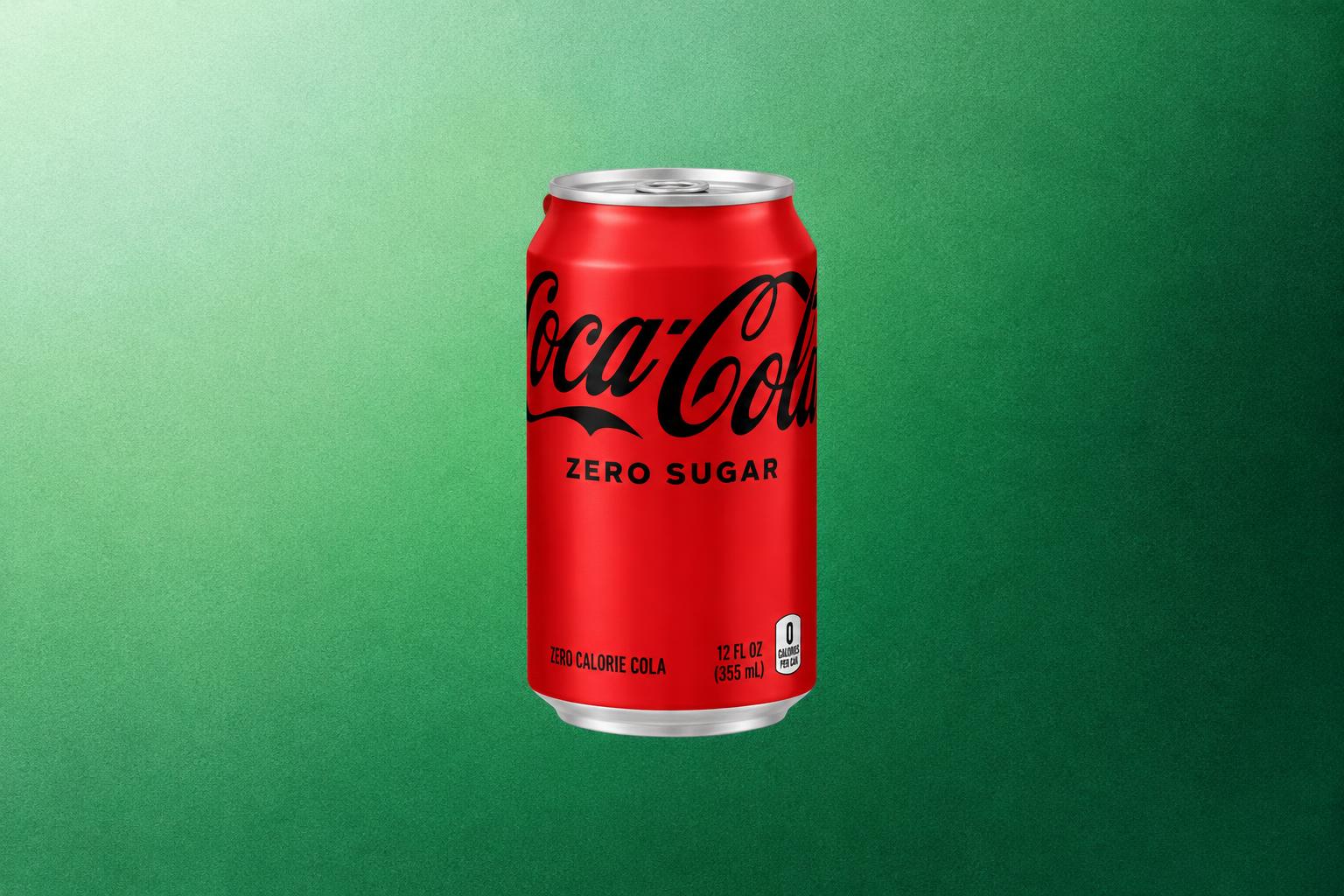
Acesulfame potassium, or ace-K, is a high-intensity sweetener about 200 times sweeter than table sugar, according to the FDA. You'll often find it in diet sodas, flavored waters and "zero sugar" products. There, it frequently shares the label with a second sweetener, such as sucralose or aspartame. So is acesulfame potassium safe? The FDA has approved it and found that even high intake estimates stay below its acceptable daily intake (ADI). For a 132 lb adult, that limit works out to about 23 tabletop packets a day (FDA). Some researchers still want more long-term studies. Here's how ace-K compares with other sweeteners, and how to spot it on a label.

Find the controversial ingredients already in your kitchen.
Scan packaged foods at home, understand ingredients, and find healthier alternatives in seconds.




 Scan with Osana
What is acesulfame potassium?
Acesulfame potassium is a high-intensity sweetener, about 200 times sweeter than table sugar (FDA). Ingredient lists usually say acesulfame potassium or acesulfame K; ace-K is the common shorthand. Sold on its own, it goes by the brand names Sunett and Sweet One.
The FDA first approved ace-K for specific food and beverage categories in 1988. In 2003, the FDA approved it as a general-purpose sweetener and flavor enhancer in food, except in meat and poultry.
Where you'll find ace-K
Ace-K is common in products sold as diet or "zero sugar". Think sodas, flavored waters, chewing gum and protein powders. Because it's heat stable, it also appears in some baked goods.
If protein products are on your list, our guide to healthy protein bars shows what to check on those wrappers. For the wider picture across the store, see our guide to artificial sweeteners in food.
Why is ace-K often paired with another sweetener?
Manufacturers often blend two sweeteners to fine-tune the taste. That's why ace-K so often appears next to sucralose or aspartame in a diet soda, a flavored water or a pack of gum.
The practical point for your cart: one "zero sugar" drink can contain two sweeteners. If you're trying to avoid a particular one, read the whole ingredient list rather than stopping at the first sweetener you spot.
Our comparison of sucralose vs aspartame covers the two sweeteners ace-K is often paired with, side by side.
Is acesulfame potassium safe?
The FDA has approved ace-K and set its acceptable daily intake (ADI) at 15 mg per kg of body weight per day (FDA). The ADI is the amount considered safe to consume every day over a lifetime. The agency also determined that estimated daily intake would not exceed that limit, even with high exposure estimates.
What the ADI means in real servings
A 132 lb (60 kg) adult would need about 23 tabletop packets of ace-K a day to reach the ADI (FDA). The FDA uses packets to make the limit concrete, assuming one packet is about as sweet as two teaspoons of sugar.
Ace-K, sucralose and neotame all land at about 23 packets, even though their ADIs differ. Sweeter compounds are used in smaller amounts, so the packet math evens them out.
The ADI is also set per kilogram of body weight. A lighter person, such as a child, reaches it with fewer packets. Packaged foods and drinks aren't measured in packets, so treat the chart as a yardstick rather than a daily count.
Acesulfame K side effects and open questions
Within its ADI, ace-K falls under what the FDA considers safe to consume every day over a lifetime (FDA). Not everyone sees the question as settled: some researchers have called for more long-term research, and opinions differ. That's a reason to stay informed, not to panic.
Weight is a separate question. The World Health Organization advises not to use non-sugar sweeteners for weight control, and it calls that recommendation conditional (WHO, May 2023).
If you'd rather skip sweeteners, or a product doesn't sit well with you, unsweetened versions are the simple fix. If you manage diabetes or another health condition, ask your doctor or a registered dietitian which sweeteners suit you.
How does ace-K compare to other sweeteners?
Ace-K sits mid-table on ADI and at the low end on sweetness. It's as sweet as aspartame and about a third as sweet as sucralose. Its ADI of 15 mg/kg matches saccharin's, and sits below aspartame's 50 and above sucralose's 5 (FDA).
| Sweetener | Sweetness vs table sugar | ADI (mg per kg of body weight per day) |
|---|---|---|
| Advantame | 20,000 times | 32.8 |
| Neotame | 7,000 to 13,000 times | 0.3 |
| Saccharin | 200 to 700 times | 15 |
| Sucralose | 600 times | 5 |
| Steviol glycosides (stevia) | 200 to 400 times | 4 (as steviol equivalents) |
| Aspartame | 200 times | 50 |
| Acesulfame potassium (ace-K) | 200 times | 15 |
| Monk fruit extracts | 100 to 250 times | Not specified |
Don't read the ADI column as a safety ranking on its own. As the packet chart showed, sweetness changes how much of each one ends up in your food.
Acesulfame potassium vs sucralose
These two are frequent partners more than rivals. Sucralose is about 600 times sweeter than sugar, with an ADI of 5 mg/kg. Ace-K is about 200 times sweeter, with an ADI of 15 mg/kg (FDA). Both work out to about 23 packets a day for a 132 lb adult, per the FDA.
If you're weighing sucralose against a plant-based option instead, see sucralose vs stevia.
Ace-K vs aspartame and stevia
Aspartame is as sweet as ace-K, but its ADI is higher: 50 mg/kg, or about 75 packets a day for a 132 lb adult (FDA). Stevia sweeteners (steviol glycosides) are 200 to 400 times sweeter than sugar, with an ADI of 4 mg/kg, or about 27 packets (FDA).
For those two head to head, read aspartame vs stevia. Monk fruit, another plant-based option in the table, is covered in monk fruit vs erythritol.
How to spot acesulfame potassium on a label
Check the ingredient list for any of three names: acesulfame potassium, acesulfame K or ace-K. The front of a package may say "diet" or "zero sugar" without naming the sweetener, so the back is where you'll find it.
Do
- Scan the ingredient list for "acesulfame potassium", "acesulfame K" or "ace-K"
- Look for a second sweetener nearby, such as sucralose or aspartame
- Check diet sodas, flavored waters, gum and protein powders
- Choose unsweetened versions if you'd rather skip sweeteners
Avoid
- Judging a product by its front label alone
- Assuming "zero sugar" means no sweeteners
- Stopping at the first sweetener you find
- Skipping the label on baked goods, since ace-K is heat stable
A "zero sugar" claim describes sugar, not sweeteners. Our guide to no added sugar vs sugar free explains what those front-of-pack claims promise. To spot the sugars on the same label, our list of hidden names for sugar helps.
Frequently asked questions
Is ace-K the same as aspartame?
No, they're two different sweeteners. Both are about 200 times sweeter than sugar, but the FDA sets different ADIs: 15 mg/kg for ace-K and 50 mg/kg for aspartame (FDA). You may find both in the same diet drink.
Can you bake with acesulfame potassium?
Yes. Ace-K is heat stable, which is why it shows up in some baked goods. For home baking, follow the directions on the package you buy.
Does acesulfame potassium help with weight loss?
The WHO advises not to use non-sugar sweeteners such as ace-K for weight control, and it calls that advice conditional (WHO). If you have a weight or health goal, a doctor or registered dietitian can help you plan.
Conclusion
Acesulfame potassium is about 200 times sweeter than sugar, and its ADI equals about 23 tabletop packets a day for a 132 lb adult (FDA). The FDA found that even high intake estimates stay below that limit, while some researchers want more long-term research.
Ace-K often shares the label with sucralose or aspartame, so read the full ingredient list. Unsweetened versions are there if you'd rather skip it.
If you'd like a quicker way to spot ace-K and its partner sweeteners while you shop, try scanning your next few products with Osana.
Sources
- FDA, "Aspartame and Other Sweeteners in Food", content current as of February 27, 2025, accessed October 2026.
- WHO, "WHO advises not to use non-sugar sweeteners for weight control in newly released guideline", May 15, 2023.