Healthy Packaged Snacks: A US Grocery Shopping Guide
 By Clement7 min read
Find the controversial ingredients already in your kitchen.
Scan packaged foods at home, understand ingredients, and find healthier alternatives in seconds.




 Scan with Osana
What actually makes a packaged snack healthy?
The healthiest packaged snacks combine real, recognizable ingredients with meaningful protein or fiber, low added sugar, and moderate sodium. They are not necessarily labeled "natural" or "organic," but their ingredient lists are short and their nutrition panels reflect what your body actually needs between meals.
This guide is built for grocery shopping at Whole Foods, Trader Joe's, Target, Costco, and Walmart. It uses five practical criteria to compare widely available options so you can make faster, smarter decisions in the snack aisle.
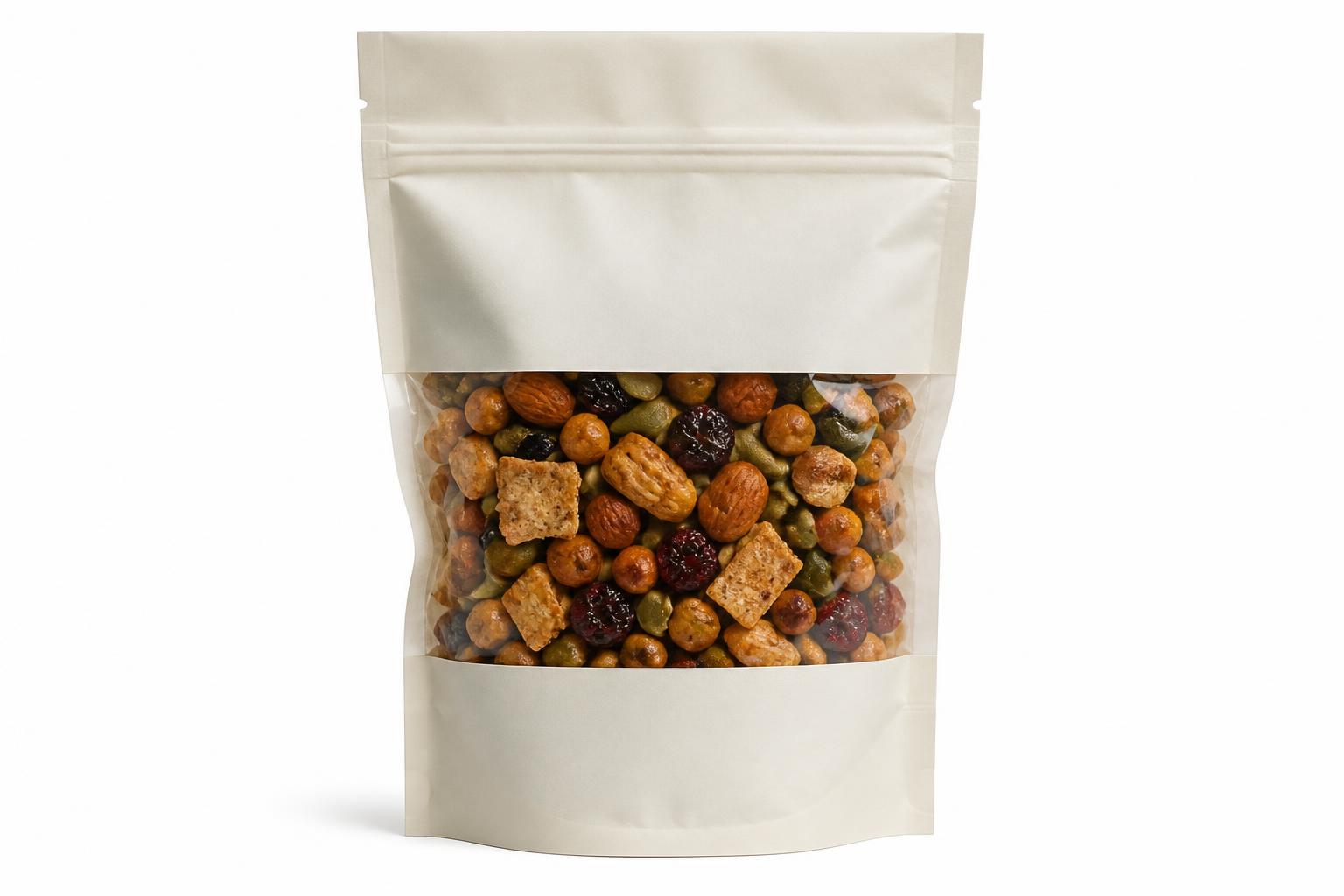
The five criteria that matter most
Before comparing specific products, it helps to know what to look for on any label. The FDA Nutrition Facts label requires manufacturers to disclose added sugars separately from total sugars, which is one of the most useful updates for snack shoppers.
Here are the five benchmarks worth applying:
- Protein: 4g or more per serving supports satiety
- Fiber: 3g or more per serving supports digestion and blood sugar stability (NIH dietary fiber overview)
- Added sugar: 5g or less per serving is a reasonable ceiling for most snacks
- Sodium: under 200mg per serving for most categories
- Processing level: short ingredient lists with whole-food sources score better than long lists with emulsifiers, artificial colors, or synthetic preservatives
None of these numbers are clinical thresholds. They are practical shopping filters that help narrow down choices quickly.
Healthy store bought snacks by category
Nuts and nut-based snacks
Plain roasted nuts are among the best packaged snacks available anywhere. A one-ounce serving of almonds delivers roughly 6g of protein, 3.5g of fiber, 0g of added sugar, and about 0mg of sodium if unsalted. Brands like Wonderful Pistachios (no-shell, lightly salted), Blue Diamond Almonds, and Kirkland Signature mixed nuts at Costco are widely available and consistently clean on ingredients.
Watch for flavored nut products. Honey-roasted varieties often carry 6 to 9g of added sugar per serving. Spiced or seasoned blends sometimes include maltodextrin, natural flavors, or seed oils like sunflower or canola. If those ingredients concern you, plain roasted is the safer default.
Seed-based and grain-free snacks
Grain-free crackers and seed bars have expanded significantly in mainstream stores. Simple Mills Almond Flour Crackers (available at Target, Whole Foods, and Walmart) have 3g of protein, 1g of fiber, 0g of added sugar, and around 115mg of sodium per serving. The ingredient list is short: almond flour, tapioca, cassava flour, sunflower seeds, and a few spices.
Mary's Gone Crackers (found at Whole Foods and Sprouts) are a good whole-grain option with 3g of protein and 2g of fiber per serving, though sodium runs closer to 160mg.
Protein bars
This is the category with the most label noise. Many bars marketed as healthy contain 15 to 20g of added sugar, synthetic sweeteners, or long additive lists. A few hold up well:
- RXBARs list their ingredients on the front of the package: egg whites, dates, nuts. They average 12g of protein and 13g of total sugar, mostly from dates, with 0g of added sugar in most flavors.
- Larabars follow a similar whole-food model with 4 to 5 ingredients. Protein is lower (around 4 to 6g), but added sugar is zero.
- KIND bars (nut-based varieties, not the grain bars) average 6g of protein and 5g of added sugar.
For a deeper look at what to avoid in this category, the ingredients to avoid in protein bars guide breaks down common additives by name.
Yogurt pouches and dairy snacks
Single-serve Greek yogurt cups are one of the most nutrient-dense options in any snack aisle. Chobani Plain Whole Milk Greek Yogurt delivers 17g of protein, 0g of added sugar, and around 65mg of sodium. Siggi's Plain 0% is similar. The issue arises with flavored varieties, where added sugar can climb to 12 to 17g per cup.
If you are shopping for the whole family, plain Greek yogurt with a small amount of fresh fruit added at home is a better value than pre-flavored options.
Veggie and legume snacks
Baked chickpea snacks, lentil chips, and edamame packs have become standard at most major retailers. Biena Chickpea Snacks (sea salt variety) offer 6g of protein, 3g of fiber, 1g of added sugar, and 125mg of sodium. Seapoint Farms Dry Roasted Edamame delivers 14g of protein per serving with minimal additives.
Be cautious with veggie straws and veggie chips. Despite the name, many are primarily potato starch and cornstarch with vegetable powder added for color. The how to avoid ultra processed foods at the grocery store guide explains how to spot this kind of ingredient substitution quickly.
What the healthiest packaged snacks have in common
Across every category above, the best packaged snacks share a few consistent traits:
- The first ingredient is a whole food (nuts, oats, legumes, eggs, dairy)
- The ingredient list is under 10 items in most cases
- Added sugar is disclosed clearly and stays low
- There are no ingredients you would not recognize in a kitchen
This is not the same as requiring a product to be organic, non-GMO, or free of every additive. It is a practical quality filter that works across budgets and store types.
Research published in Cell Metabolism found that diets higher in ultra-processed foods were associated with increased calorie intake compared to minimally processed diets, even when macronutrients were matched. That finding supports prioritizing ingredient quality alongside nutrition numbers.
Quick label checklist for the snack aisle
Before putting a snack in your cart, scan the label for these four things:
- Added sugar: 5g or less per serving
- Protein plus fiber: combined total of 6g or more is a good sign
- Sodium: under 200mg per serving
- Ingredient list: can you identify every item?
If a product fails two or more of these, there is likely a better option nearby.
Conclusion
The best healthy packaged snacks are not always the ones with the loudest health claims on the front of the package. They are the ones with short ingredient lists, meaningful protein or fiber, and low added sugar. Nuts, plain Greek yogurt, whole-food bars, and legume-based snacks consistently meet those standards across every major US grocery chain.
If you want to skip the manual label-reading entirely, the Osana app lets you scan any barcode in seconds and instantly see how a snack scores on processing level, additives, and ingredient quality.
Frequently asked questions
What are the healthiest packaged snacks at Walmart?
Plain roasted nuts, Chobani Greek yogurt cups, RXBAR, and Biena chickpea snacks are all available at Walmart and score well on protein, fiber, and added sugar. Check the snack aisle and the dairy section.
How much added sugar is too much in a packaged snack?
The FDA recommends keeping daily added sugar under 50g total. For a single snack, staying at or below 5g of added sugar is a reasonable target that leaves room for other foods throughout the day.
Are protein bars considered healthy packaged snacks?
Some are. Bars built on whole-food ingredients like nuts, dates, and egg whites (RXBAR, Larabar) are solid options. Many conventional protein bars contain high added sugar or long additive lists that reduce their overall quality.
What should I look for on a snack label if I am trying to avoid ultra-processed foods?
Look for short ingredient lists with recognizable whole-food sources. Avoid products with multiple emulsifiers, artificial colors, synthetic sweeteners, or modified starches as primary ingredients.
Are veggie straws actually a healthy snack?
Most veggie straws are primarily potato starch and cornstarch with minimal vegetable content. They are not meaningfully different from regular potato chips in terms of fiber, protein, or processing level.
Can I find healthy store bought snacks at Costco?
Yes. Kirkland Signature mixed nuts, Seapoint Farms edamame, and bulk RXBAR multipacks are all available at Costco and represent good value for nutrient-dense snacking.
Get the cleaner swaps list before your next grocery run.
One short email a week: new label checks and better-for-you products we actually tested.
No spam. Unsubscribe anytime.

Choose cleaner swaps before they land in your cart.
Use Osana at Whole Foods, Trader Joe's, Target, Costco, or Walmart to compare labels faster and shop with more confidence.