Is deli meat ultra-processed? Cured vs reconstituted meat on the label
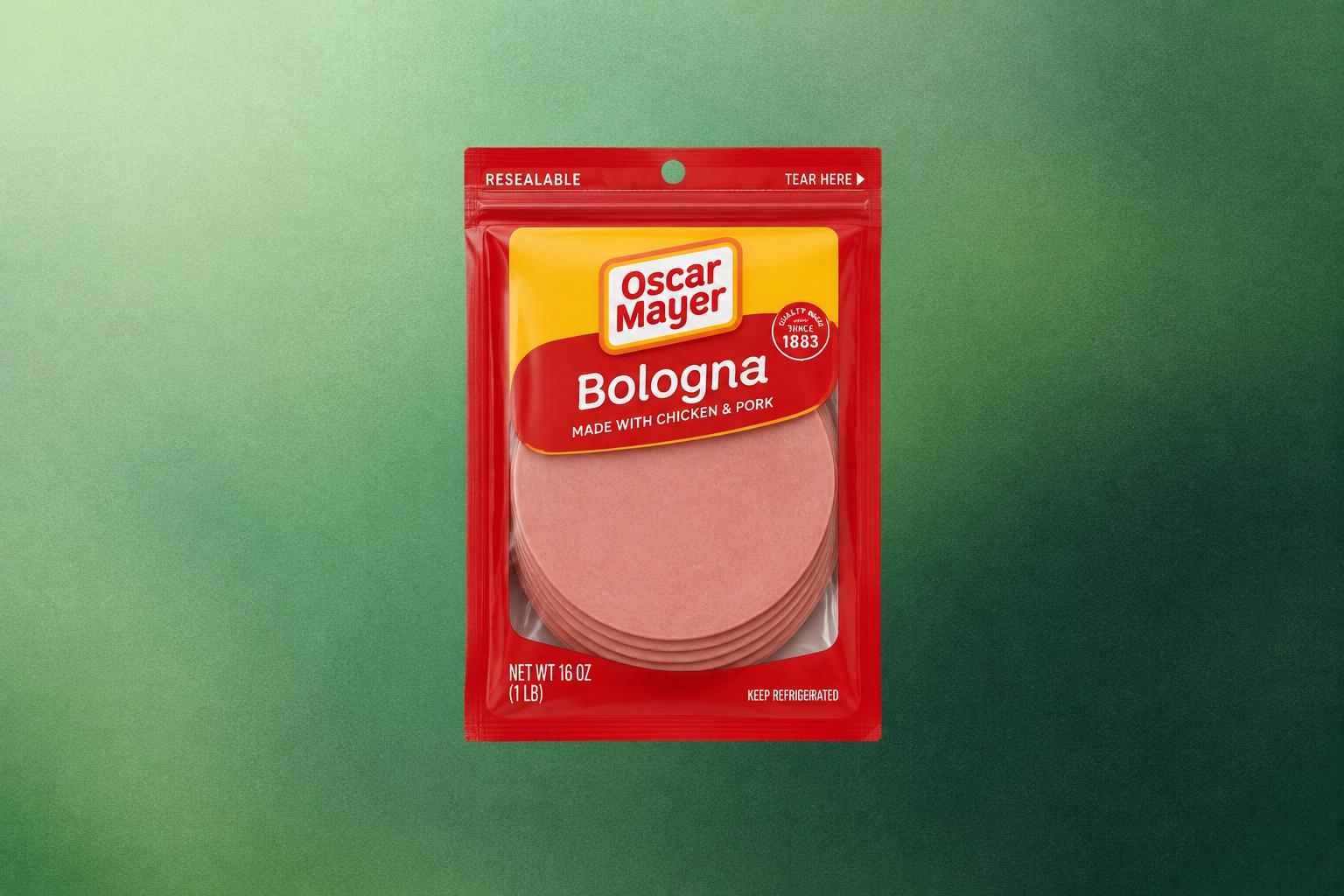
Is deli meat ultra-processed? Some of it is, and some of it isn't. The researchers behind NOVA list salted, cured or smoked meats as processed foods, one step below ultra-processed. Hot dogs, sausages and other reconstituted meat products sit in the ultra-processed group. So a sliced ham made from a whole cut, salt and a cure reads as processed by NOVA's logic. A bologna or a turkey slice built with flavorings, carrageenan and starch leans ultra-processed. The word "deli" doesn't tell you which one you're holding. The ingredient list does, and it only takes a quick look.

Find the controversial ingredients already in your kitchen.
Scan packaged foods at home, understand ingredients, and find healthier alternatives in seconds.




 Scan with Osana
Is deli meat ultra-processed? The short answer
It depends on how the meat was made and what was added, not on the deli label. NOVA sorts foods into four groups by processing. In the paper that defines the system, the processed group includes salted, cured or smoked meats, and the ultra-processed group includes sausages, burgers, hot dogs and other reconstituted meat products (Monteiro et al., Public Health Nutrition 2019).
The paper doesn't rate individual deli brands, so the reads below apply its group definitions to typical ingredient lists. Our guide to the NOVA food classification covers all four groups if you want the full picture.
What NOVA actually says about cured meat
NOVA puts salted, cured and smoked meats in group 3, the processed foods. These are simple foods changed by preservation methods you could picture in a traditional kitchen: salt, smoke, time. The paper notes that processed foods may contain additives that preserve their original properties or resist microbial growth (Monteiro et al., 2019).
Group 4 is different in kind. It covers products assembled from food substances and additives, and its listed examples include sausages, hot dogs and other reconstituted meat products. NOVA's authors suggest checking whether a list holds at least one ingredient typical of group 4, such as hydrolyzed proteins or cosmetic additives like flavors, colors, thickeners and gelling agents (Monteiro et al., 2019).
Whole cuts vs reconstituted meat
A sliced ham or roast beef cut from one solid piece of muscle is the closest thing to a group 3 food at the deli counter. Bologna, hot dogs and many "loaf" products start as ground or chopped meat that gets mixed, shaped and cooked into a new form. That reshaping is what "reconstituted" describes, and it usually travels with a longer list.
Cheese and bread follow the same pattern, where the simple version and the heavily formulated one share a name. Our guides to whether cheese is ultra-processed and whether bread is ultra-processed walk through those aisles.
Processed is not the same as ultra-processed: a ham cured with salt and sugar is processed. A turkey slice built around flavorings and gelling agents is closer to group 4. Our guide to processed vs ultra-processed foods shows the difference with label examples.
Nitrites, nitrates and "uncured" labels
Curing with nitrite does not, by itself, make a deli meat ultra-processed by NOVA's logic. Nitrite is a preservative, and it isn't on NOVA's list of cosmetic additives (Monteiro et al., 2019). A cure is the classic group 3 step. What it says about your diet is a separate question, covered in our guide to nitrates and nitrites in food.
The "uncured" label trips up many shoppers. Some meats are cured with a natural source such as celery powder instead of sodium nitrite. Under USDA FSIS labeling rules, a "No Nitrate or Nitrite Added" claim must be followed by wording like "except for those naturally occurring in" the named source (USDA FSIS).
"Cured" on the label
- Usually lists sodium nitrite in the ingredients
- The cure is added directly
- Processed by NOVA's logic if no flavorings, colors or thickeners are added
"Uncured" on the label
- Often lists celery powder or a similar vegetable source
- Any "no nitrite added" claim must add "except for those naturally occurring in" that source
- Same NOVA read: the flavorings and thickeners decide, not the cure
Consumer advocates have pushed for clearer wording. In 2019, the Center for Science in the Public Interest petitioned FSIS to stop allowing "uncured" and "no nitrate or nitrite added" on meats made with sources like celery powder, and FSIS opened the petition for public comment (USDA FSIS). Treat "uncured" as a cue to read the list, not as proof of a simpler product.
What the WHO says about processed meat
The WHO uses "processed meat" in a broader sense than NOVA's ultra-processed group. It defines processed meat as meat transformed through salting, curing, fermentation, smoking or other processes to add flavor or improve preservation. Its examples include hot dogs, ham, sausages, corned beef and jerky (WHO).
The WHO's cancer agency, IARC, placed processed meat in Group 1, based on evidence that eating it causes colorectal cancer. The WHO adds that this category reflects how strong the evidence is, not how large the risk is, and that risk rises with the amount eaten (WHO). It also notes that meat can be part of a healthy diet and that many national guidelines advise limiting processed meat.
So a whole-muscle ham can sit in NOVA's group 3, not group 4, and still count as "processed meat" in WHO terms. The NOVA group helps you compare two packages on the shelf. The WHO guidance is about how often processed meat of any kind shows up on your plate.
Deli ingredients that point to ultra-processed
A deli meat moves toward group 4 when its list carries flavorings, colors, thickeners or gelling agents. Cosmetic additives often sit near the end of the list (Monteiro et al., 2019), so that's where to look first.
| On the list | Why it's there | NOVA-style read |
|---|---|---|
| Turkey, pork or beef, water, salt | The meat and a basic brine | Processed when cured or salted |
| Sugar, vinegar | Flavor balance and browning | Processed (kitchen-style ingredients) |
| Sodium nitrite, celery powder | The cure: color, flavor, preservation | Preservation step, not a group 4 marker |
| Sodium phosphate | Helps slices hold moisture | Gray zone: not named on NOVA's list |
| Natural flavor, flavoring, smoke flavor | Taste | Flavor (group 4 marker) |
| Carrageenan, modified food starch | Texture and sliceability | Thickener or gelling agent (group 4 marker) |
| Hydrolyzed soy protein, caramel color | Savory taste, darker shade | Group 4 substance or color |
Natural flavor sounds simple, but it's still a flavor in NOVA's terms, and our explainer on natural flavors in food covers what the term means on a US label.
How to pick a less processed deli meat
Read the ingredient list first, then the sodium line. Processing level and salt are separate questions, and a package can do well on one and poorly on the other.
- Look for a whole cut
Roast beef, ham or turkey breast sliced from one piece usually has a shorter list than loaves, bologna or franks.
- Scan the end of the list
Flavorings, carrageenan, modified starch, hydrolyzed proteins and added colors are the group 4 signals to look for.
- Don't stop at "uncured"
Check whether the cure comes from celery powder and whether flavorings and thickeners follow it.
- Compare sodium per serving
Cured meats rely on salt, so put two packages side by side. Our guide to spotting hidden sodium on food labels shows how to read that line.
If you'd rather not compare every package yourself, our healthiest deli meat guide ranks six popular US brands by their labels. Roasting a turkey breast at home and slicing it for the week is another easy way to keep the list short.
Frequently asked questions
Is turkey deli meat ultra-processed?
It depends on the list. A turkey breast cured with salt, sugar and a cure reads as processed by NOVA's logic. Sliced turkey with flavorings, carrageenan or modified starch leans ultra-processed. The word "turkey" doesn't settle it.
Is uncured deli meat less processed?
Not necessarily. "Uncured" usually means the cure comes from a source like celery powder, and USDA rules require a "no nitrate or nitrite added" claim to add "except for those naturally occurring in" that source (USDA FSIS). The rest of the list decides the NOVA read.
Are hot dogs and bologna ultra-processed?
Yes, in NOVA's terms. The paper that defines the system lists sausages, hot dogs and other reconstituted meat products as examples of ultra-processed foods (Monteiro et al., 2019).
The bottom line on deli meat and processing
Deli meat isn't one category. Whole-muscle meats cured with salt and a cure land in NOVA's processed group, while hot dogs, bologna and other reconstituted meats are ultra-processed. Flavorings, thickeners and gelling agents are what push a sliced meat toward group 4, and "uncured" doesn't change that.
All of these still count as processed meat in WHO terms, so how often you eat them matters too. Read the list, compare sodium, and favor whole cuts with short lists when they suit your family.
To see a deli meat's processing level and additives right in the aisle, try scanning the package with Osana on your next grocery run.
Sources
- Monteiro C.A. et al., "Ultra-processed foods: what they are and how to identify them," Public Health Nutrition 22(5):936-941, 2019.
- World Health Organization, "Cancer: Carcinogenicity of the consumption of red meat and processed meat," questions and answers, accessed November 2026.
- USDA Food Safety and Inspection Service, "Petition to Clarify Labeling on Meat Processed with Non-Synthetic Nitrates and Nitrites", docket FSIS-2019-0022, accessed November 2026.