Carmine in food: what cochineal extract is and how to spot it on labels
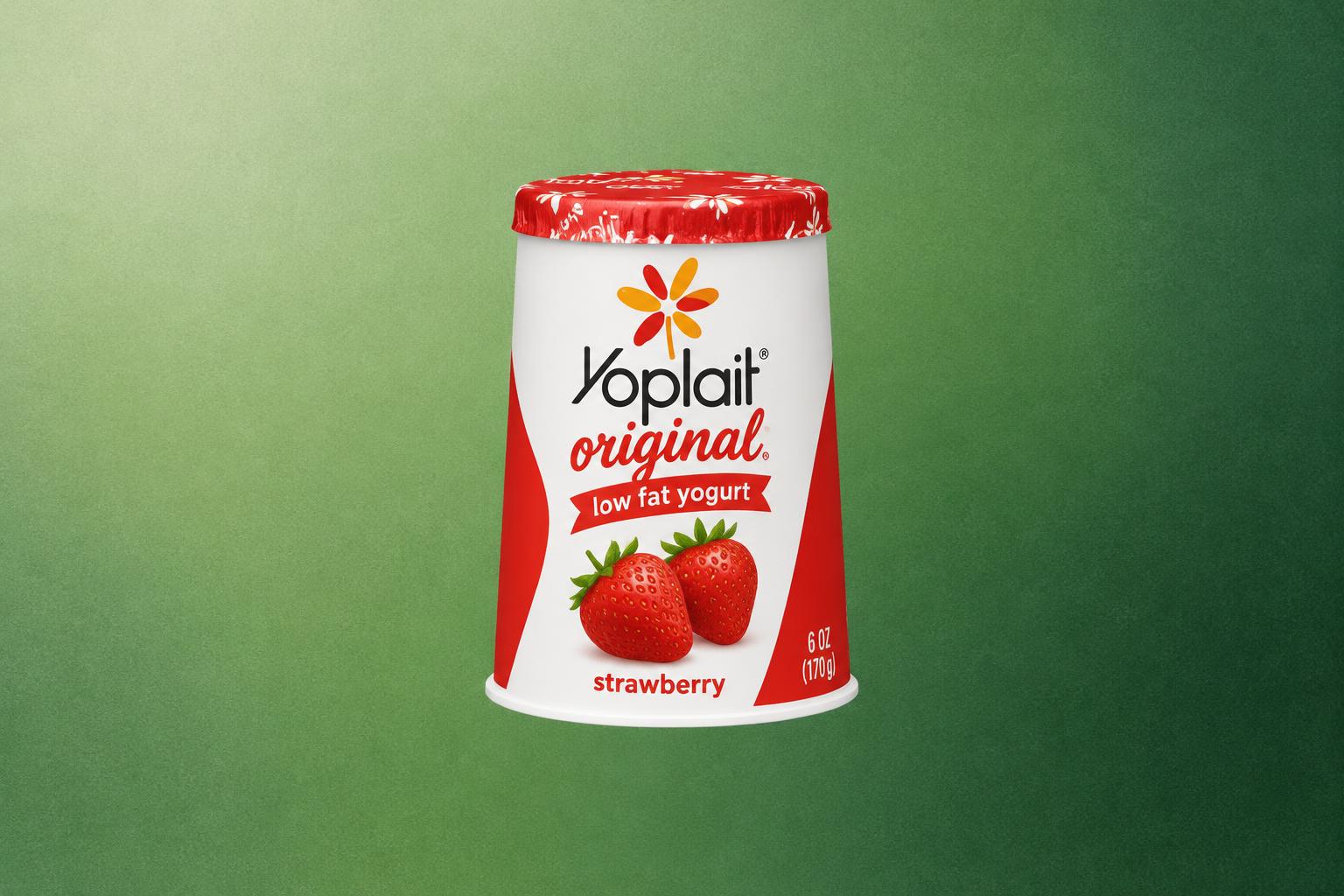
Carmine in food is a red color made from cochineal, a tiny insect. On US labels it appears as "carmine" or "cochineal extract", and in Europe as E120. It gives a pink or red shade to some yogurts, candies, drinks and ice creams, and to many cosmetics. The FDA allows it at normal use levels. Since January 5, 2011, though, labels must name it instead of folding it into "color added," because some people react to it. Below, you'll see what it is, why the rule exists, how it compares with Red 40, and how to spot it in seconds.

Find the controversial ingredients already in your kitchen.
Scan packaged foods at home, understand ingredients, and find healthier alternatives in seconds.




 Scan with Osana
What is carmine in food?
Carmine is a red color additive extracted from cochineal insects (Dactylopius coccus). Its coloring compound is carminic acid. The FDA lists two forms under 21 CFR 73.100: cochineal extract and carmine.
The difference is how they are made. Cochineal extract is a concentrated liquid left after alcohol is removed from a water and alcohol extract of the insects. Carmine is a "lake": the color is bound to an aluminum hydroxide base (an aluminum or calcium-aluminum lake).
You may also see its Colour Index names, Natural Red 4 or CI 75470. Both refer to the same insect-based red. For the full picture of what else colors US food, see our food dyes list.
Why the FDA requires carmine on the label by name
Carmine must be named because some people have allergic reactions to it. Most colors from natural sources can be grouped on a label as "color added" or "artificial color." The FDA makes one exception: carmine and cochineal extract.
The rule came from reports of severe allergic reactions, including anaphylaxis, to foods and cosmetics containing these colors. Its January 5, 2009 final rule made every food and cosmetic containing these colors declare them by name. The agency described them as allergens for a small subset of people, not as major food allergens.
One detail is easy to miss. The rule does not require the label to say the color comes from insects. The FDA chose the names "carmine" and "cochineal extract," so you need to know what those words mean.
Carmine is not one of the major food allergens, so the law does not require it in a "Contains" statement. Our guide on how to read allergen labels explains what that statement does and does not cover. If you think you've reacted to a red food or cosmetic, talk with your doctor or an allergist.
Where carmine shows up
Carmine can appear in almost any food meant to look pink or red. The FDA rule allows it in foods generally at levels consistent with good manufacturing practice. It names butter, cheese and ice cream as examples that must declare it.
Beyond those, here are common places to check:
- Yogurt: strawberry, raspberry and cherry cups. Our healthy yogurt brands guide shows how to compare tubs.
- Candy and desserts: pink candies, fruit snacks, frostings and some ice creams.
- Drinks: fruit drinks, flavored milks and some alcoholic beverages, which follow the TTB disclosure rule.
- Cosmetics: lipsticks, blushes and eye shadows, which fall under the same 2009 labeling rule.
Use varies by brand and recipe, so the same flavor can contain carmine in one product and beet juice in another. The ingredient list is the only reliable check.
Is carmine vegan, kosher or halal?
Carmine is not vegan or vegetarian for most people, because it comes from insects. Many vegans and vegetarians avoid it for that reason. If you avoid it, look for reds from plant sources such as beet or fruit and vegetable juice.
Kosher and halal questions are less clear-cut. Religious authorities and certifiers do not all agree on insect-derived colors. If this matters to your family, look for a trusted certification symbol, or contact the brand or certifier.
Tip: Since the label won't say "insect," treat the words "carmine," "cochineal" and "E120" as your signal. They all mean the same family of insect-based reds.
Carmine vs Red 40: what's the difference?
Carmine comes from an insect and is exempt from batch certification; Red 40 is a synthetic, petroleum-based dye that the FDA certifies batch by batch. Both give food a red color, but they follow different rules.
| Carmine | Red 40 | |
|---|---|---|
| Source | Cochineal insects | Synthetic, petroleum-based |
| FDA category | Exempt from certification | Certified, every batch |
| Label name | "Carmine" or "cochineal extract" | "Red 40" or "FD&C Red No. 40" |
| EU code | E120 | E129 |
| Why it's named | Allergy reports in some people | All certified colors must be named |
| Current status | Allowed at normal use levels | In a voluntary FDA phase-out, target end of 2027 |
Since April 2025, the FDA has pushed companies to phase out petroleum-based dyes such as Red 40. As brands reformulate, some may switch to colors from natural sources, and carmine is one possible red. Our guide to Red 40 in food covers the synthetic side.
Red 3 is a separate story. The FDA revoked its food authorization on January 15, 2025, with a deadline of January 15, 2027. See our Red Dye 3 ban explainer for the details.
How to spot carmine on a label
Read the ingredient list, not the front of the package. These four checks take a few seconds.
- Look for the two legal names
Scan for "carmine" or "cochineal extract." US rules don't let either hide behind "color added."
- Check imported products for E120
Labels made for Europe can show the code E120 instead of a name. E120 always means cochineal, carminic acid or carmines.
- Don't trust "no artificial colors" alone
The FDA lets companies use that claim for colors from natural sources, and carmine is one. The ingredient list still tells you.
- Don't confuse it with indigo carmine
Indigo carmine is Blue 2 (E132), a synthetic blue dye with no link to cochineal, per the EU additives list.
Front-of-package wording can be vague in other ways too, as our explainer on natural flavors in food shows. Shopping for kids? Our list of healthy snacks without artificial dyes is a good start. Check each label for carmine too.
Frequently asked questions
Is carmine made from bugs?
Yes. Carmine and cochineal extract come from cochineal insects, and their color comes from carminic acid. US labels use the names "carmine" or "cochineal extract" and are not required to mention insects.
Is carmine safe to eat?
The FDA allows carmine in food at levels consistent with good manufacturing practice. A small number of people have had allergic reactions, which is why it must be named on labels. If you suspect a reaction, see your doctor.
Is carmine the same as Red 40?
No. Carmine comes from insects and is exempt from batch certification. Red 40 is a synthetic, petroleum-based dye that the FDA certifies batch by batch and lists as "Red 40" or "FD&C Red No. 40."
The bottom line on carmine
Carmine is a red color from cochineal insects, sold as carmine or cochineal extract and coded E120 in Europe. The FDA allows it in food, but any US product containing it has had to name it since 2011, because a few people react to it. It is not a synthetic dye like Red 40, yet it is not vegan, and kosher or halal status depends on the certifier. Read the ingredient list for "carmine," "cochineal" or "E120," and don't rely on front-of-pack claims.
For a quicker way to catch carmine and other colors in what you buy, give Osana a try on your next grocery run.
Sources
- 21 CFR 73.100, Cochineal extract; carmine (Cornell LII), accessed November 2026.
- FDA, Cochineal Extract and Carmine Declaration, proposed rule, Federal Register, January 30, 2006.
- FDA, Cochineal Extract and Carmine Declaration, final rule, Federal Register, January 5, 2009.
- FDA, confirmation of effective date (January 5, 2011), Federal Register, March 11, 2009.
- TTB, Disclosure of Cochineal Extract and Carmine in the Labeling of Wines, Distilled Spirits, and Malt Beverages, Federal Register, April 16, 2012.
- FDA, Color Additives Questions and Answers for Consumers, updated December 14, 2023.
- FDA, Tracking Food Industry Pledges to Remove Petroleum-Based Food Dyes, accessed November 2026.
- EU Regulation (EC) No 1333/2008 on food additives, EUR-Lex.