Healthy snacks without artificial dyes: a practical guide
 By Clement7 min read
What makes a snack truly dye free?
Healthy snacks without artificial dyes are easier to find than they were five years ago, but the labels can still be confusing. A snack can be marketed as "natural" or "better for you" and still contain Red 40, Yellow 5, or Blue 1. The short answer: you need to read the ingredient list, not the front of the package.
Artificial dyes are synthetic colorants derived from petroleum. They are added to snack foods purely for visual appeal. The FDA requires them to be listed by name on US labels, so they are technically findable. The problem is that ingredient lists are often long, printed in small type, and buried under marketing claims.

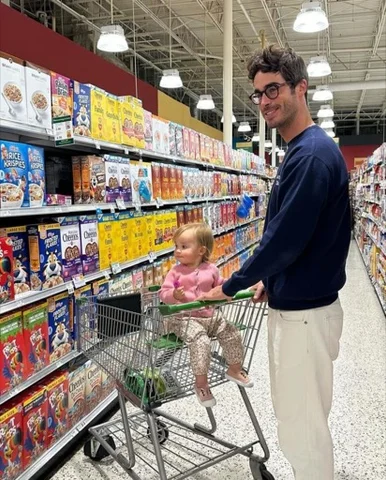
Find the controversial ingredients already in your kitchen.
Scan packaged foods at home, understand ingredients, and find healthier alternatives in seconds.


 Scan with Osana
Why parents and shoppers are paying closer attention
Consumer interest in dye free snacks has grown significantly over the past few years. Some of that momentum comes from research linking certain synthetic dyes to behavioral changes in children. A widely cited study published in The Lancet found that a mixture of artificial colors was associated with increased hyperactivity in children. The FDA reviewed that evidence and concluded it did not establish a causal link for all children, but acknowledged that some sensitive individuals may be affected.
In Europe, foods containing certain artificial dyes must carry a warning label stating the product "may have an adverse effect on activity and attention in children." That requirement has led many manufacturers to reformulate European versions of their products using natural colorants like beet juice or turmeric. US versions of the same products sometimes still use synthetic dyes, which is a real and documented difference, not just online speculation.
More recently, growing consumer pressure and regulatory movement, including the FDA's 2023 revocation of Red 3 authorization in food, has pushed more brands to voluntarily remove artificial colors from their formulas.
The dyes most commonly found in kids snacks
If you are specifically looking for snacks without Red 40, you are not alone. Red 40 (Allura Red) is the most widely used artificial dye in the US food supply. It shows up in fruit snacks, flavored crackers, cereals, yogurt cups, and even some granola bars that appear orange or brown.
Other dyes to watch for in kids snacks and packaged foods:
- Yellow 5 (Tartrazine) - common in cheese-flavored snacks, chips, and candy
- Yellow 6 (Sunset Yellow) - found in mac and cheese, gelatin snacks, and some cereals
- Blue 1 (Brilliant Blue) - used in sports drinks, frosting, and some gummies
- Red 3 (Erythrosine) - now being phased out following the FDA revocation, but still in some existing inventory
For a deeper look at what these dyes are doing in kids snacks specifically, and what the research actually shows, the picture is worth understanding before you shop.
Where to find dye free snacks at US grocery stores
The good news is that dye free options are available at most major retailers, including stores you already shop at. Here is a practical category-by-category breakdown.
Fruit and veggie-based snacks
Freeze-dried fruit from brands like Solely, Bare, or Trader Joe's house brand typically contains one ingredient: the fruit itself. These are naturally colored and make excellent kids snacks with no artificial colors. Check the ingredient list anyway, especially for flavored varieties.
Crackers and savory snacks
Simple Mills, Mary's Gone Crackers, and Hu Kitchen crackers are widely available at Whole Foods and Target. They use short ingredient lists and no synthetic dyes. At Costco, look for the Kirkland Signature nut and seed mixes, which are generally clean.
Granola bars and energy bites
Lärabar, RX Bar, and Kind bars are commonly stocked at Walmart, Target, and Whole Foods. Most use dates, nuts, or oats as a base with no added colorants. Always verify because flavors and formulations change.
Cheese snacks and crackers
This is a category where dyes hide most aggressively. Cheddar-flavored puffs and crackers frequently use Yellow 5 and Yellow 6 to achieve that orange color. Brands like Pirate's Booty and Organic Valley cheese snacks are reformulated without artificial colors. Compare the ingredient list side by side with a conventional product and the difference is obvious.
Yogurt pouches and cups
Many kids yogurt products use Red 40 or Blue 1 to create strawberry or blueberry colors. Stonyfield Organic, Siggi's, and Chobani Simply 100 lines tend to avoid synthetic dyes. Stonyfield in particular uses fruit and vegetable concentrates for color.
How to read a snack label for dyes in under 30 seconds
You do not need to memorize every dye name. Here is a fast system:
- Flip the package and find the ingredient list.
- Scan for any ingredient that includes a color name followed by a number: Red 40, Yellow 5, Yellow 6, Blue 1, Blue 2, Green 3.
- If the product is brightly colored and none of those appear, look for natural alternatives like annatto, beet juice concentrate, turmeric, or spirulina extract. These are the clean-label replacements.
- If the list is very long and hard to parse, that is itself a signal worth noting.
For a broader framework on reading ingredient labels quickly and confidently, that skill applies well beyond just dyes.
It is also worth knowing that "no artificial colors" on the front label is a meaningful claim in the US because the FDA regulates it. However, "natural colors" does not mean the product is otherwise clean. A snack can have natural colorants and still contain high fructose corn syrup, seed oils, or other additives.
For a full store walkthrough, our Walmart grocery guide covers snacks and every other aisle.
Conclusion
Finding healthy snacks without artificial dyes is genuinely doable at mainstream US grocery stores. The key is knowing which categories hide dyes most often, which brands have reformulated, and how to scan an ingredient list without getting overwhelmed. Fruit-based snacks, simple grain crackers, nut bars, and organic dairy snacks are your most reliable starting points. When in doubt, the ingredient list never lies. If you want a faster way to check any packaged snack before it goes in your cart, Osana lets you scan the barcode or ingredient label and instantly flags artificial dyes, along with other additives worth knowing about.
Frequently asked questions
Are snacks labeled "natural" guaranteed to be free of artificial dyes?
No. "Natural" is a loosely defined term on US food labels. It generally refers to the absence of artificial flavors or synthetic preservatives but does not specifically prohibit artificial dyes. Always check the ingredient list.
What is the difference between artificial dyes and natural colorants?
Artificial dyes like Red 40 and Yellow 5 are synthesized from petroleum-derived compounds. Natural colorants like beet juice, annatto, turmeric, and spirulina are derived from plants or minerals. Both must be listed on the label, but they are not regulated the same way.
Are dye free snacks more expensive?
Sometimes, but not always. Freeze-dried fruit, plain nuts, and simple grain crackers are often competitively priced at Costco, Walmart, and Target. The premium tends to show up in branded "clean label" products at Whole Foods.
Is Red 40 banned anywhere?
Red 40 is approved in both the US and EU, though the EU requires a warning label on products containing it and other specified dyes. It is not outright banned in major markets as of 2025. Red 3, however, had its US food authorization revoked by the FDA in early 2025.
Can artificial dyes affect all children or just some?
Research suggests that sensitivity varies. Some children, particularly those with ADHD or certain sensitivities, may show behavioral responses to artificial dyes. Most children do not show measurable effects. The science does not support a blanket claim that dyes harm all kids, but many parents prefer to avoid them as a precaution.
Where are artificial dyes most likely to hide in snack foods?
The highest-risk categories are fruit snacks and gummies, cheese-flavored puffs and crackers, flavored yogurt cups, brightly colored cereals, and candy-coated items. Savory snacks that appear orange or yellow are especially worth checking.
Get the cleaner swaps list before your next grocery run.
One short email a week: new label checks and better-for-you products we actually tested.
No spam. Unsubscribe anytime.

Choose cleaner swaps before they land in your cart.
Use Osana at Whole Foods, Trader Joe's, Target, Costco, or Walmart to compare labels faster and shop with more confidence.