What is caramel color in food? The brown coloring explained, from soda to soy sauce
 By Clement6 min read
Find the controversial ingredients already in your kitchen.
Scan packaged foods at home, understand ingredients, and find healthier alternatives in seconds.


 Scan with Osana
Caramel color is a brown food coloring made by heating sugars, and it is added to foods and drinks purely for appearance, not for sweetness or flavor. It gives colas their deep brown shade, makes gravy and soy sauce look richer, and keeps dark breads and sauces consistent from batch to batch. It is legal in the US, but some types can contain a byproduct called 4-MEI, which is why caramel color gets more attention than its harmless-sounding name suggests.
Key point: "caramel color" on a label is not the same as the caramel in candy. It is a coloring additive, and the label does not tell you which of its four types a product uses.
What is caramel color?
Caramel color is produced by heating carbohydrates such as corn syrup, sucrose, or dextrose under controlled conditions, sometimes with added acids, alkalis, sulfites, or ammonia compounds. The process creates dark brown pigments that dissolve easily in liquids and stay stable in acidic drinks.
Unlike the caramel you make at home by melting sugar in a pan, caramel color is engineered for color strength and stability, not taste. It is added in small amounts, and by itself it contributes almost no sweetness or calories. If you are curious how added sugars themselves show up on labels, our guide to dextrose vs sugar covers that side of the story.
The four classes of caramel color
Regulators and manufacturers group caramel coloring ingredients into four classes, based on what is added during heating:
| Class | Made with | Typical uses | 4-MEI possible? |
|---|---|---|---|
| I, plain caramel | Heat only, sometimes acids or alkalis | Spirits, some baked goods | No |
| II, caustic sulfite | Sulfite compounds | Some spirits and liqueurs | No |
| III, ammonia caramel | Ammonia compounds | Beer, soy sauce, gravies, sauces | Yes |
| IV, sulfite ammonia | Sulfite and ammonia compounds | Colas and other soft drinks | Yes |
Class IV is the most widely used, especially in soft drinks, because it stays stable in acidic beverages. Classes III and IV are the ones that can contain 4-methylimidazole, or 4-MEI, a compound formed during the reaction.
Why manufacturers add caramel color
Caramel color solves a visual problem. Brands use it to:
- Create a recognizable look, like the brown of a cola or a dark rye bread.
- Keep batches consistent, since natural ingredients vary in color from season to season.
- Make foods look richer, such as gravies, stews, and sauces.
- Replace the color lost during processing in some canned and packaged foods.
Where you will find caramel color
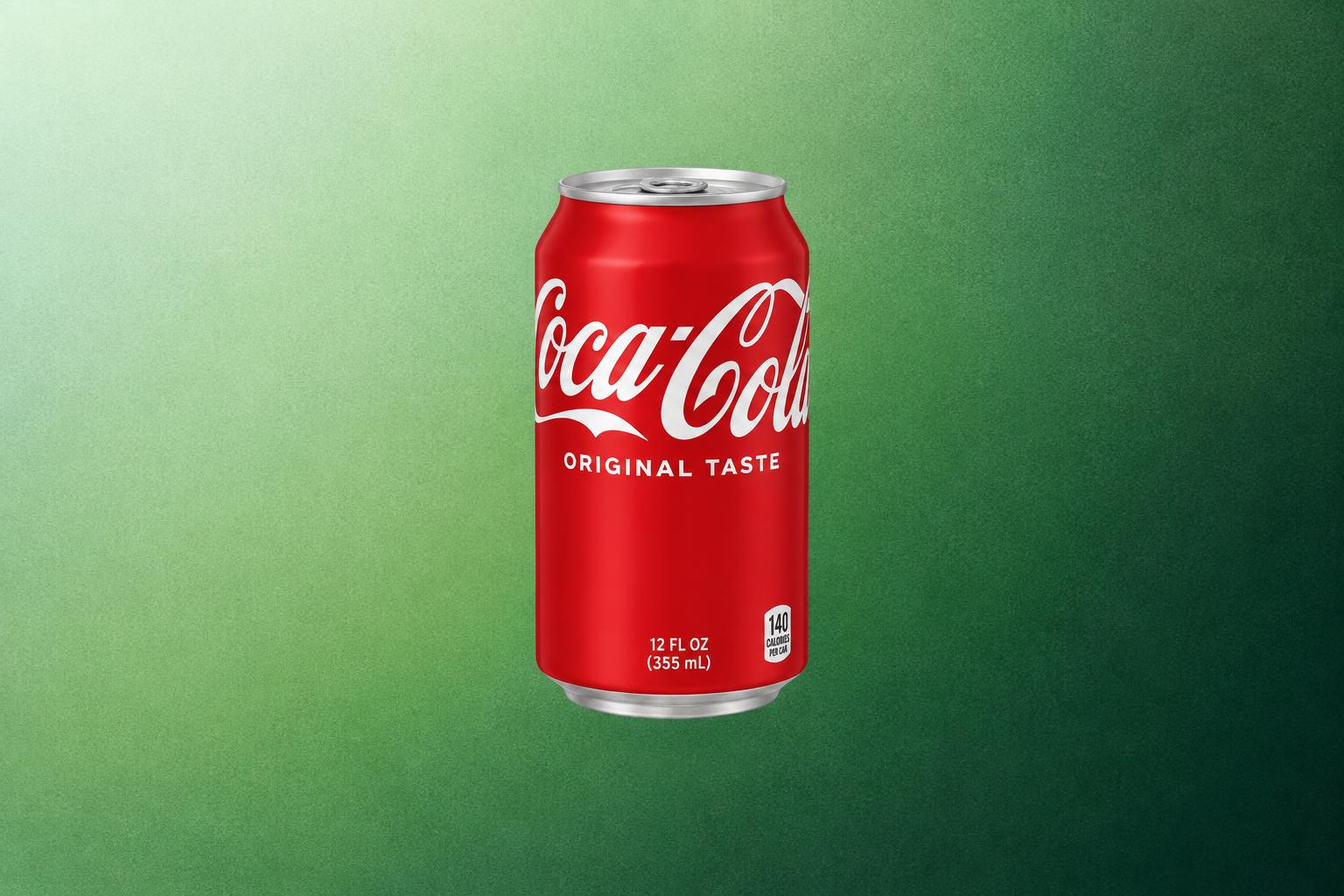
Caramel color in soda is the classic example, but it appears in many categories:
- Colas, root beers, and other dark sodas.
- Soy sauce, teriyaki, and Worcestershire sauce.
- Gravy mixes, bouillon, and canned soups.
- Dark breads, pumpernickel, and some brown "wheat" breads, where color can suggest more whole grain than the bread contains.
- Beer, whiskey, and other spirits.
- Barbecue sauces, marinades, and seasoning blends.
- Some breakfast cereals and granola bars.
Brown color in bread deserves a closer look. A loaf can look dark and wholesome because of caramel color or molasses while still being made mostly from refined flour. The ingredient list, not the shade, tells you whether whole grain comes first.
What the FDA and current research say
In the US, caramel color is an approved color additive that is exempt from certification, meaning it does not need batch-by-batch FDA testing like synthetic dyes such as Red 40. The FDA provides an overview of how food additives and colors are regulated for consumers.
The debate centers on 4-MEI. Animal studies found that high doses of 4-MEI increased certain tumors in mice, and the International Agency for Research on Cancer classified it as possibly carcinogenic to humans. California then listed 4-MEI under Proposition 65, which led many soda makers to reduce 4-MEI levels in their caramel color.
US regulators have said that the levels found in foods are far below those used in animal studies, and that there is no evidence of an immediate health risk. The honest summary is that caramel color is legal and widely consumed, the concern applies to only two of its four classes, and dark sodas are the largest everyday source. Drinking fewer colas lowers exposure, and it also cuts added sugar, which is the bigger nutrition issue in most sodas. Our list of worst rated flavored drinks shows how those labels compare.
How to read caramel color on food labels
Caramel color is easy to spot, but the label leaves out some detail:
- It is listed as "caramel color." US labels do not say which class is used.
- E numbers appear on imports. E150a to E150d correspond to classes I to IV.
- Look at the product type. A cola or soy sauce is more likely to use class III or IV than a spirit using class I.
- Check bread carefully. If a "wheat" bread lists enriched flour first and caramel color later, the color is cosmetic.
- Count color additives. Caramel color alongside synthetic dyes is a sign of a highly formulated product.
For example, one brand of soy sauce may list water, soybeans, wheat, and salt, while another adds caramel color and sodium benzoate. Both taste similar, but the first gets its color from fermentation alone.
Conclusion
Caramel color is a brown coloring made by heating sugars, used to make sodas, sauces, gravies, and breads look the way shoppers expect. It is not caramel candy and adds no real sweetness. It is approved in the US, but classes III and IV can contain 4-MEI, a compound that animal research has flagged at high doses, so limiting dark sodas is the simplest way to cut exposure. Reading the ingredient list rather than trusting a product's color is the most useful habit. If you want to spot caramel color and other additives faster, try scanning your groceries with Osana.
Frequently asked questions
Is caramel color bad for you?
Caramel color is approved for use in US foods. Two classes can contain 4-MEI, which has raised concerns in animal studies at high doses, but typical food levels are much lower.
Does caramel color contain sugar?
It is made from sugars, but the heating process transforms them into pigments. It adds no meaningful sweetness or calories at the amounts used.
Is caramel color vegan and gluten free?
Caramel color is plant-based and generally considered vegan. It is usually made from corn or sugar, and in the US it is generally gluten free, though people with celiac disease should check with the manufacturer.
Why is caramel color in soda?
It gives colas and other dark sodas their consistent brown color. Class IV caramel color is commonly used because it stays stable in acidic drinks.
Get the cleaner swaps list before your next grocery run.
One short email a week: new label checks and better-for-you products we actually tested.
No spam. Unsubscribe anytime.
Choose cleaner swaps before they land in your cart.
Use Osana at Whole Foods, Trader Joe's, Target, Costco, or Walmart to compare labels faster and shop with more confidence.