Worst Rated Pasta Products: 6 Lowest Scores Ranked
 By Clement2 min read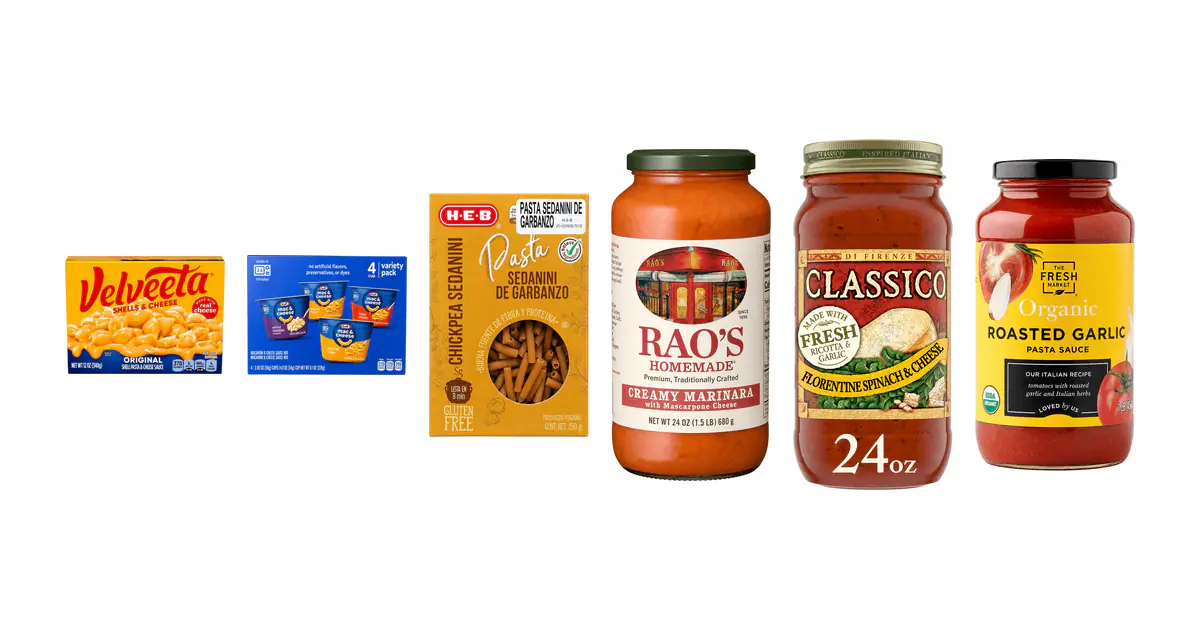
Find healthier alternatives to low-rated products with Osana.
Scan products while you shop and compare their Food Scores in seconds.




 Find healthier alternatives
Pasta is one of the easiest aisles to shop well, but scores vary widely once sauces, cheese powders, and shelf-stable cups enter the picture. This comparison ranks six pasta and pasta sauce products from the lowest score upward, so the first item is the lowest-scoring in this comparison and the last is the strongest of the group.
Scores run from 0 to 100 and reflect nutrition data such as sodium, sugars, saturated fat, and fiber, along with degree of processing and additive use. A score is a quick comparison tool, not a verdict on a food or on your diet. Portion size, what you add to the pot, and how often you eat the product all matter more than a single number.
The most useful cues in this category are sodium per serving, whether the pasta is refined or whole grain or legume based, and how long the sauce or cheese ingredient list runs. For context on processing tiers, see our guide to the NOVA food classification.
The worst-rated pasta ranking
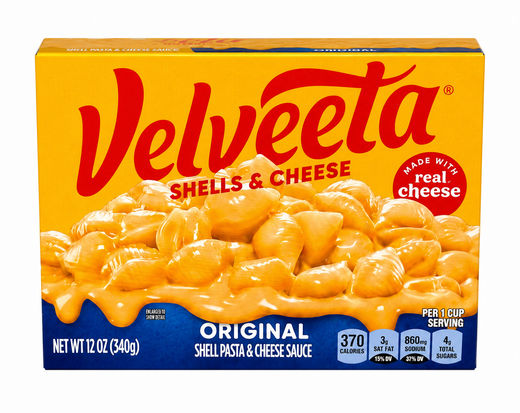
Shells & Cheese Original
Too much sodium can contribute to high blood pressure.
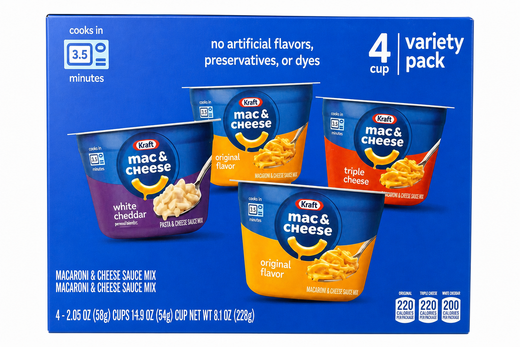
Kraft mac & cheese variety pack
Made with multiple industrial ingredients and additives.
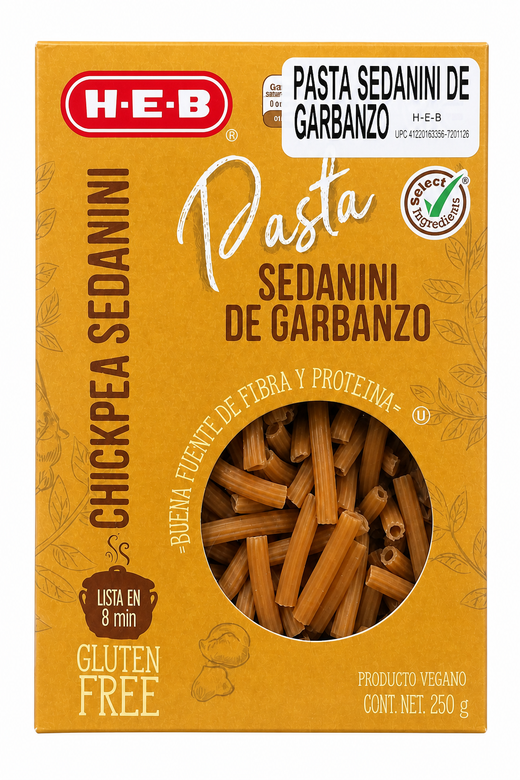
Pasta Sedanini de Garbanzo
Salt is listed as an ingredient. Intake should be moderated, especially if eaten with other salty foods.
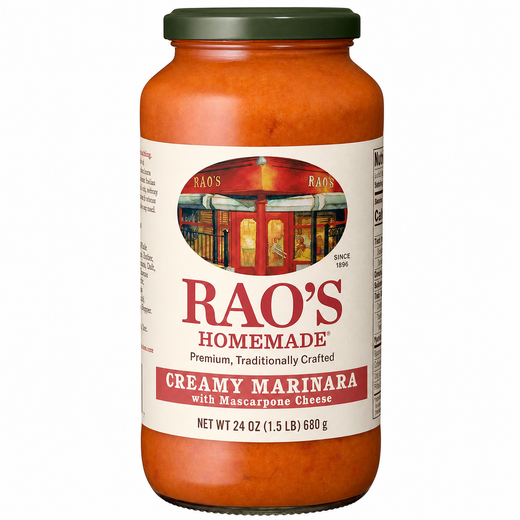
Rao's Homemade Creamy Marinara with Mascarpone Cheese
Rao's Homemade Creamy Marinara with Mascarpone Cheese is one of the lowest-scoring products in Osana's Pasta comparison.
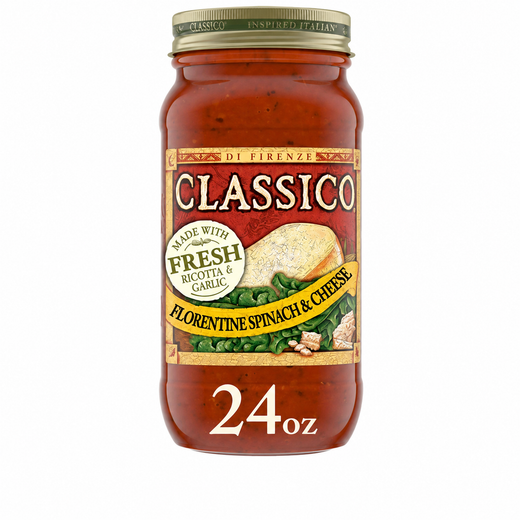
Classico Florentine Spinach & Cheese Pasta Sauce
Classico Florentine Spinach & Cheese Pasta Sauce is one of the lowest-scoring products in Osana's Pasta comparison.
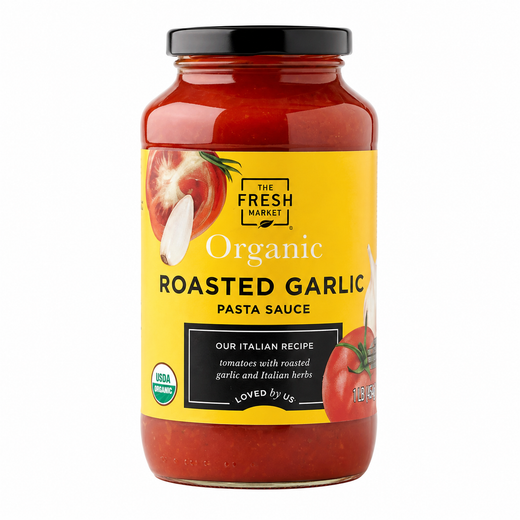
The Fresh Market Organic Roasted Garlic Pasta Sauce
The Fresh Market Organic Roasted Garlic Pasta Sauce is one of the lowest-scoring products in Osana's Pasta comparison.
How to shop the pasta aisle with confidence
A short checklist helps more than avoidance. Check sodium first and aim for boxes and jars closer to 300mg to 500mg per serving; the FDA's sodium guidance is a useful benchmark. Favor whole wheat, chickpea, or lentil pasta for fiber and protein. Scan sauce labels for added sugar in the first few ingredients. Treat boxed mac and cheese as a base, then stir in frozen peas, broccoli, canned tuna, or beans.
Even the lowest-scoring products here are not off limits; they simply give you less per serving than the alternatives above them. If you want to compare scores while standing in the aisle, scanning a barcode with Osana shows the same breakdown used here. For a related read, see our low sodium snacks guide.
Choose cleaner swaps before they land in your cart.
Use Osana at Whole Foods, Trader Joe's, Target, Costco, or Walmart to compare labels faster and shop with more confidence.