7 min read
What is ultra processed food? A plain-English guide
Ultra-processed foods make up more than half of US calories. Learn the definition, real grocery examples, and how to spot them on your next shopping trip.
Practical, research-aware guides to reading food labels, understanding ingredients and additives, comparing food scanner apps, and choosing healthier grocery products.
Ultra-processed foods make up more than half of US calories. Learn the definition, real grocery examples, and how to spot them on your next shopping trip.
Seed oils hide in hundreds of everyday products. Learn which foods contain them, what to look for on the label, and how to make faster choices at the grocery store.
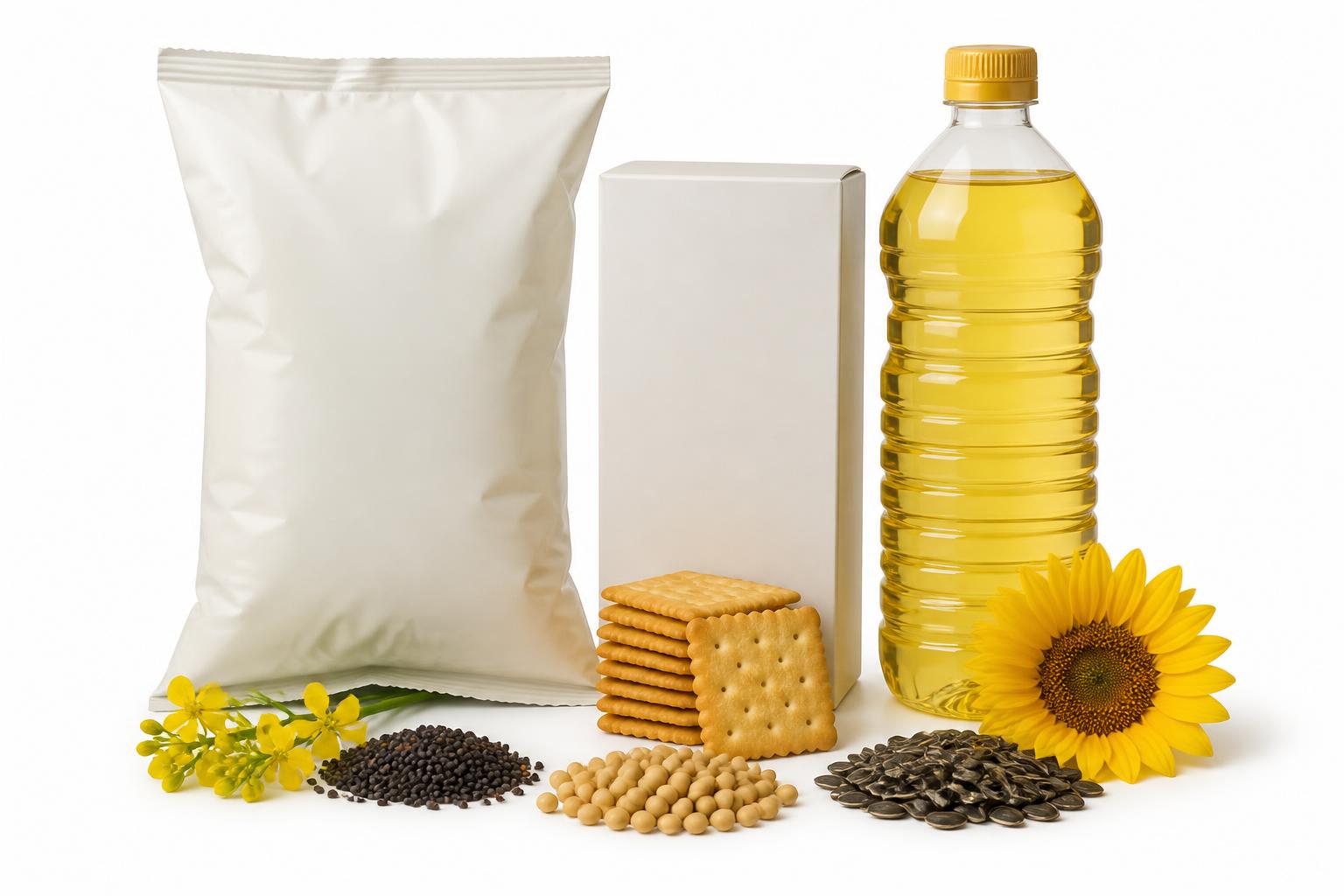
Canola, soybean, and sunflower oils show up in nearly every aisle. Here is what the research actually says and how to spot them on labels.
HFCS shows up in hundreds of everyday products, from bread to salad dressing. Here is what the science says and how to spot it on labels.
Sucralose, aspartame, acesulfame potassium — artificial sweeteners are everywhere in diet snacks and drinks. Here's what the research actually says.
That two-word phrase on your ingredient list hides more than you think. Here is what natural flavors actually are and how to decode them at the grocery store.
Maltodextrin is a ultra-processed starch derivative hiding in hundreds of everyday products. Here is what it actually does, why its glycemic index matters, and how to spot it.
Carrageenan is a common thickener found in almond milk, dairy products, and more. Here is what the science says and how to spot it on labels.
Calcium propionate is the most common bread preservative in the US. Here is what it does, what the research says, and how to spot it on labels.