Nitrates and Nitrites in Food: What the Evidence Says
 By Clement8 min read
Yes, nitrates and nitrites are listed on food labels. On a US ingredient list they appear as sodium nitrite, sodium nitrate, potassium nitrite, or potassium nitrate, mostly on bacon, ham, hot dogs, and deli meat. The one that's easy to miss is celery powder or celery juice, a natural nitrate source used in meats sold as "uncured." Once you know those few names, you can check a cured meat package in seconds.
Key takeaways
- Added nitrates and nitrites appear by name in the ingredient list: sodium or potassium nitrite, and sodium or potassium nitrate.
- Nitrate is the stable form. Nitrite is the reactive one that cures meat, blocks the bacterium behind botulism, and keeps ham and bacon pink.
- "Uncured" or "no nitrates or nitrites added" usually means the maker used celery powder or celery juice instead, so it doesn't mean nitrite-free.
- IARC classifies processed meat as a cause of colorectal cancer, and says the individual risk remains small but rises with the amount you eat.

Find the controversial ingredients already in your kitchen.
Scan packaged foods at home, understand ingredients, and find healthier alternatives in seconds.




 Scan with Osana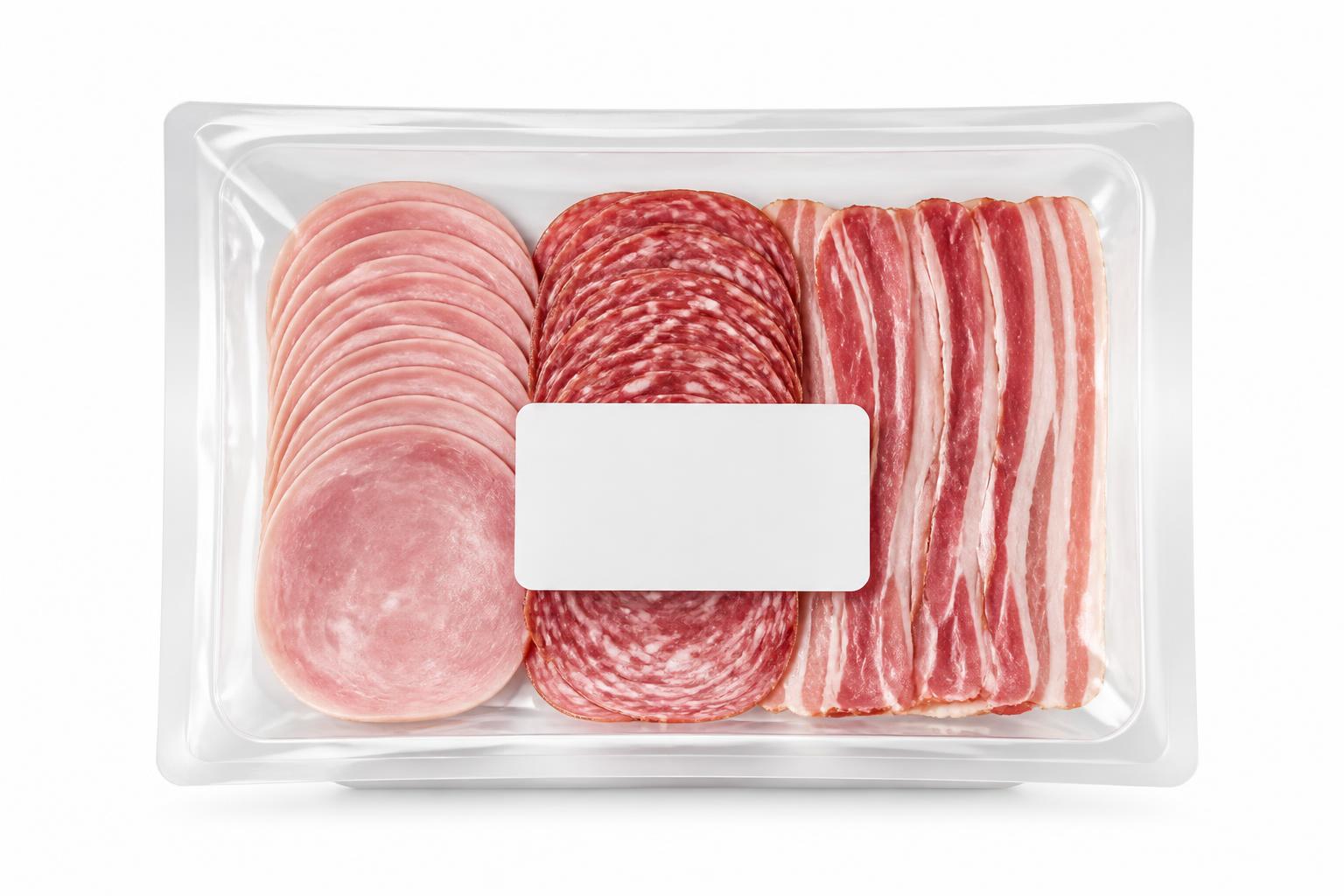
Are nitrates listed on food labels?
Yes. When a manufacturer adds a nitrate or nitrite to a packaged meat, it goes in the ingredient list like any other ingredient. Look for these four names:
- Sodium nitrite
- Sodium nitrate
- Potassium nitrite
- Potassium nitrate
Sodium nitrite is the one you'll see most. Because it's used in small amounts, it usually sits toward the end of the list, often near salt and sodium erythorbate or sodium ascorbate (vitamin C relatives). Some research suggests vitamin C helps limit nitrosamine formation, which is why these ingredients so often travel together.
The less obvious names are the indirect sources: celery powder, celery juice, and celery extract. They don't say "nitrate" anywhere, but supplying nitrate is exactly their job in the recipe. More on that below.
Nitrates also occur naturally in vegetables, and those never show up as a separate ingredient. A bag of spinach won't list nitrate. Labels only show what was added. For a step-by-step method for reading the whole panel, see our guide on how to read food ingredient labels.
Nitrates vs nitrites: what is the difference?
The difference is one oxygen atom and a lot of reactivity. Nitrate (NO3) is the stable form, and nitrite (NO2) is the reactive form that does the actual curing work.
- Nitrate (NO3) is relatively inert on its own. It's found naturally in soil, water, and many vegetables, including spinach, arugula, beets, and celery.
- Nitrite (NO2) is the active compound. Added to meat, it inhibits Clostridium botulinum, the bacterium behind botulism. It also fixes the pink color of cured meat and contributes to that familiar cured flavor.
One can become the other. Bacteria turn nitrate into nitrite, both during curing and in your own mouth, where oral bacteria convert nitrate from foods like vegetables. Your body can then turn some nitrite into nitric oxide, a molecule researchers study for its role in blood vessel function. That's one reason this topic is more nuanced than "good" or "bad."
So are nitrates and nitrites the same thing? No. They're closely related, though, and headlines often use the words interchangeably.
Sodium nitrate vs sodium nitrite
Sodium nitrite is the workhorse of modern meat curing, while sodium nitrate is the slower, older option. In both cases, the sodium (or potassium) part mainly carries the nitrate or nitrite that does the work.
| Sodium nitrate | Sodium nitrite | |
|---|---|---|
| Formula | NaNO3 | NaNO2 |
| How it works | Acts as a reservoir; bacteria gradually convert it to nitrite | Works directly, so curing starts right away |
| Typical use | Traditionally tied to long, slow curing, such as some dry-cured meats | Most bacon, ham, hot dogs, and sliced deli meat |
| On the label | "Sodium nitrate" or "potassium nitrate" | "Sodium nitrite" or "potassium nitrite" |
For you as a shopper, the takeaway is simple. Either name tells you the product is cured, and the ingredient list says so plainly. In meat, USDA sets the limits for these curing agents, and those limits vary by product type.
Both belong to the wider family of preservatives covered in our food preservatives list.
Celery powder nitrates: what "uncured" really means
"Uncured" on a meat package doesn't mean no nitrite. In most cases, it means the producer swapped synthetic sodium nitrite for celery powder or celery juice, which are naturally rich in nitrate. During processing, that nitrate converts to nitrite, which then cures the meat. The final nitrite level can be comparable to conventionally cured products.
Under current USDA rules, these products are labeled "uncured" and also carry a statement along the lines of "no nitrates or nitrites added except those naturally occurring in celery powder." That second line is the one worth reading.
The rule may change. In August 2019, the Center for Science in the Public Interest and Consumer Reports petitioned USDA to end these claims on meats made with celery-based nitrates. In December 2020, USDA's Food Safety and Inspection Service said it planned to propose banning "uncured" and "no nitrate or nitrite added" on meats made with any nitrate source, including celery powder, while declining to require a "nitrates added" disclosure (Food Dive). As of October 2026, no proposed or final rule appears to have followed, so the current wording still applies.
What IARC said about processed meat, and what it did not say
In October 2015, the World Health Organization's International Agency for Research on Cancer (IARC) classified processed meat as Group 1, "carcinogenic to humans," and red meat as Group 2A, "probably carcinogenic to humans." A panel of 22 experts from 10 countries reviewed more than 800 studies. IARC defines processed meat as meat transformed through salting, curing, fermentation, smoking, or similar processes, which covers hot dogs, ham, and corned beef.
The headline number: each 50 gram portion of processed meat eaten daily was linked to an 18% higher risk of colorectal cancer, according to the IARC press release. In the same release, IARC said the individual risk "remains small" but increases with the amount eaten.
What the release did not say matters too. It classified processed meat as a whole category. It didn't name nitrite as the single cause, and it framed the risk around how much processed meat people eat.
Nitrosamines come up separately. These compounds can form when nitrite reacts with amines, especially at high cooking temperatures such as frying bacon until crisp, and they're one mechanism researchers study. The practical message is about how much and how often, not about one ingredient.
Where nitrates show up in the grocery store
Added nitrites are concentrated in the cured meat case. You'll typically find them in:
- Deli and lunch meats, such as ham, turkey, and bologna, sliced at the counter or prepackaged
- Hot dogs and frankfurters
- Bacon and breakfast sausage, conventional and many "natural" versions
- Pepperoni and salami, including pizza toppings and charcuterie packs
- Canned corned beef and canned luncheon meat
The celery powder versions sit right next to these, usually labeled "uncured" or "no nitrates added." If you're comparing sliced meats side by side, our ranking of the healthiest deli meat walks through how popular options stack up. Many of these products also appear on our ultra-processed foods list.
Vegetables are the other big source. Much of the nitrate in a typical diet comes from vegetables like leafy greens, beets, and celery. That nitrate is naturally present and isn't listed on any label.
Label-reading tips for nitrates and nitrites
- Read the ingredient list, not the front panel. "Uncured" with celery powder in the ingredients still describes a cured product.
- Scan for six names. Sodium or potassium nitrite, sodium or potassium nitrate, and celery powder or celery juice.
- Think in frequency. IARC tied risk to daily portions and rising amounts, so how often you eat processed meat is the lever you control.
- Check sodium on the same package. Curing relies on salt, so cured meats can add up fast. Here's how to spot hidden sodium on food labels.
- Go easy on the heat. Cooking bacon or sausage at moderate heat instead of charring it is a simple habit, since high heat is one of the conditions linked to nitrosamine formation.
The bottom line
Nitrates and nitrites have a real food-safety job, an evidence base that's more nuanced than headlines suggest, and a spot on labels that's easy to misread. How often you eat processed meat, and your overall diet, matter more than any single additive. Read the ingredient list, know what "uncured" means, and keep the heat moderate. For a wider look at what else appears on ingredient lists, our food additives list is a useful companion. If you'd rather not decode every package by hand, Osana can scan a barcode and show you which additives, including nitrites and nitrates, are in a product.
Frequently asked questions
Are nitrates and nitrites the same thing?
No. Nitrate (NO3) is the stable form, and nitrite (NO2) is the reactive form that does the curing work in meat. Bacteria, including those in your mouth, can convert nitrate into nitrite, and both come from natural and added sources.
Is "uncured" meat nitrite-free?
Not necessarily. Uncured products often use celery powder or celery juice, which are naturally high in nitrate that converts to nitrite during processing. Under current USDA rules, the "uncured" claim appears alongside a statement that no nitrates or nitrites were added except those naturally occurring in the celery ingredient.
Are nitrates listed in the ingredients?
Yes, when they're added. Look for sodium nitrite, sodium nitrate, potassium nitrite, or potassium nitrate, plus celery powder, celery juice, or celery extract as indirect sources. Nitrates that occur naturally in vegetables aren't listed.
Do vegetables contain nitrates?
Yes. Leafy greens such as spinach and arugula, along with beets and celery, naturally contain nitrate. Much of the nitrate in a typical diet comes from vegetables, and it isn't something you'll see on a label.
Get the cleaner swaps list before your next grocery run.
One short email a week: new label checks and better-for-you products we actually tested.
No spam. Unsubscribe anytime.

Choose cleaner swaps before they land in your cart.
Use Osana at Whole Foods, Trader Joe's, Target, Costco, or Walmart to compare labels faster and shop with more confidence.