Are protein shakes ultra processed? What NOVA says about the shakes in your cart
 By Clement6 min read
Find the controversial ingredients already in your kitchen.
Scan packaged foods at home, understand ingredients, and find healthier alternatives in seconds.




 Scan with Osana
The short answer
Yes, most protein shakes are ultra processed under the NOVA classification. Ready-to-drink bottles and flavored powders usually contain protein isolates plus emulsifiers, gums, flavors, or non-nutritive sweeteners, and those ingredients place them in NOVA group 4. That label describes how a product is made, not a verdict that a specific shake is harmful. A few minimal options, like unflavored whey or a homemade shake, can fall outside group 4.
This article focuses on shakes and powders specifically. For the broader concept, see how NOVA treats a close cousin in are protein bars ultra processed.
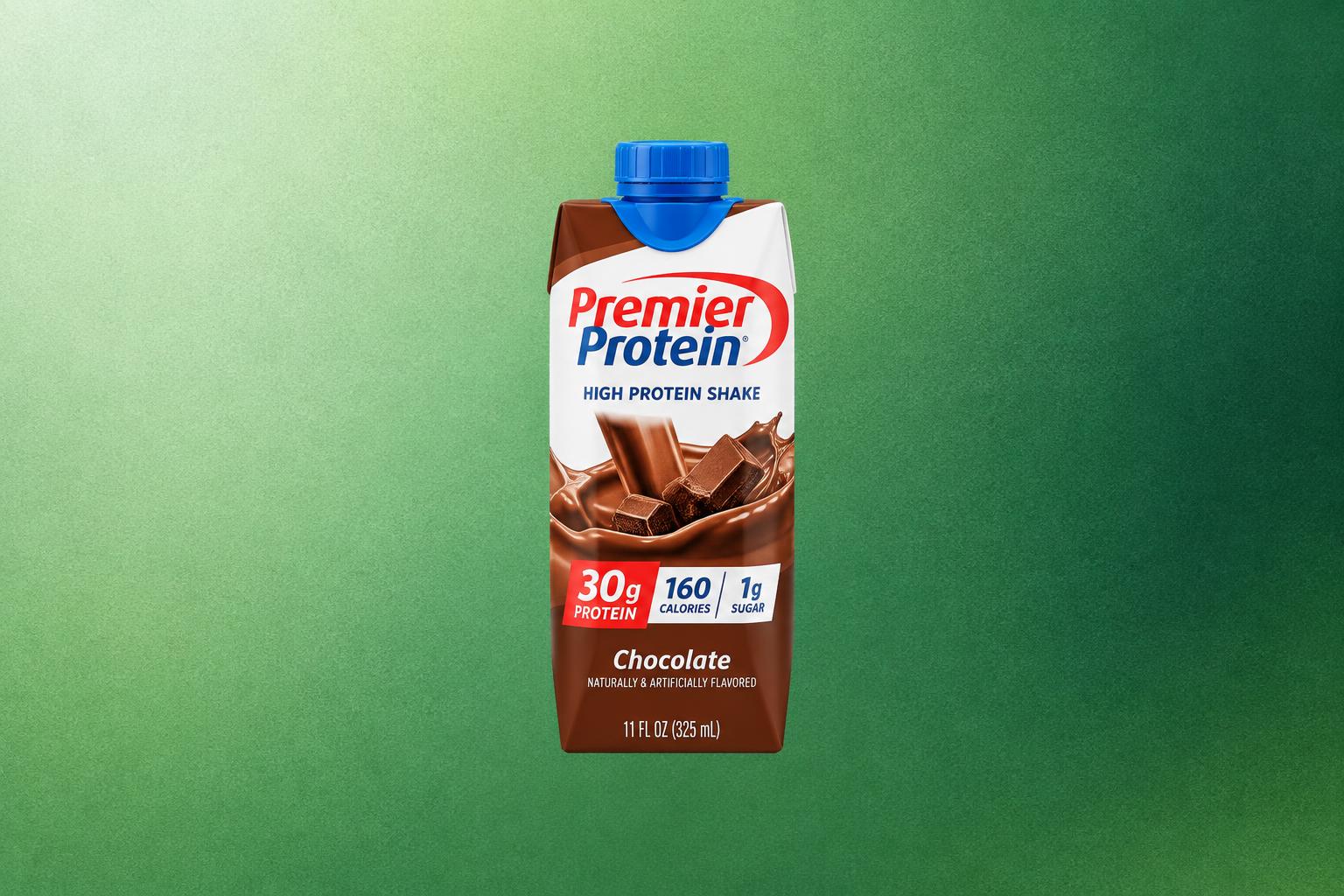
Protein shakes NOVA classification, explained
NOVA, developed by researchers at the University of São Paulo, sorts foods into four groups by degree and purpose of processing:
- Group 1: unprocessed or minimally processed. Milk, eggs, plain yogurt, frozen fruit.
- Group 2: processed culinary ingredients. Oils, butter, sugar, salt.
- Group 3: processed foods. Simple products made from groups 1 and 2, like cheese or canned beans.
- Group 4: ultra-processed foods. Industrial formulations built largely from substances extracted from foods, often with "cosmetic" additives such as flavors, colors, emulsifiers, thickeners, and non-sugar sweeteners.
The key signal is ingredients you would rarely use in a home kitchen. A widely cited paper by Monteiro and colleagues in Public Health Nutrition describes this ingredient-based approach.
Protein shakes hit that signal often. Whey protein isolate, milk protein concentrate, soy protein isolate, and pea protein isolate are fractionated food substances. Add natural flavors, sucralose, carrageenan, or gellan gum, and you have a textbook group 4 formulation.
Are protein shakes processed differently depending on type?
The answer changes by format. Here is how common US grocery categories tend to sort.
Ready-to-drink shakes
The bottles and cartons in the Target, Walmart, or Costco drink aisle almost always land in group 4. A typical ingredient list includes filtered water, milk protein concentrate, a sweetener like sucralose or acesulfame potassium, cellulose gel or gum, carrageenan or gellan gum, natural flavors, and added vitamins. Shelf-stable versions need stabilizers to keep protein from settling, which is one reason these additives are near-universal.
Flavored protein powders
Chocolate or vanilla tubs usually contain an isolate plus flavors, a sweetener (stevia, sucralose, or monk fruit), and sometimes xanthan gum or sunflower lecithin. That combination is ultra processed under NOVA, including many organic or "clean" branded powders.
Unflavored single-ingredient powders
A tub listing only "whey protein isolate" or "pea protein" is a gray area. The isolate itself is an extracted substance, which NOVA associates with group 4, but it has no cosmetic additives. Researchers do not all classify these the same way, so treat it as borderline rather than settled.
Homemade shakes
Blending milk or plain Greek yogurt with frozen berries, a banana, and peanut butter gives you a shake built from group 1 and group 3 foods. If you stir in a flavored powder, the finished drink includes an ultra-processed ingredient.
Plant-based shakes
Oat, almond, or pea bases do not change the verdict. Plant shakes often need more gums and oils to mimic creaminess, and some contain seed oils like sunflower or canola. If that matters to you, the list of seed oils helps you recognize the label names.
Ingredients that usually signal ultra processed protein shakes
When you flip a bottle over, these terms point toward group 4:
- Protein isolates and concentrates: milk protein isolate, whey protein isolate, soy protein isolate, pea protein isolate
- Non-sugar sweeteners: sucralose, acesulfame potassium, stevia leaf extract, monk fruit extract, erythritol
- Thickeners and stabilizers: carrageenan, gellan gum, cellulose gum, xanthan gum, guar gum
- Emulsifiers: soy or sunflower lecithin, mono- and diglycerides
- Flavors: natural flavors, artificial flavors
- Added fibers: soluble corn fiber, inulin, chicory root fiber
Most of these are permitted in the US and many are considered safe by the FDA at typical intake levels. The FDA explains how it reviews food additives and ingredients. Some also carry GRAS status, which has its own nuances covered in our guide to GRAS meaning in food.
What the science can and can't tell you
Honest context matters here, because "ultra processed" gets used as shorthand for "dangerous."
What research shows: Large observational studies link higher overall ultra-processed food intake with worse health outcomes. A 2019 NIH controlled feeding trial led by Kevin Hall found people ate about 500 more calories per day on an ultra-processed diet than on a minimally processed one (Cell Metabolism).
What it doesn't show: Most of this evidence concerns diets high in ultra-processed foods overall, dominated by sugary drinks, snacks, and processed meats. It does not isolate protein shakes. Some analyses suggest risks vary by UPF subgroup, and a high-protein, low-sugar shake is nutritionally quite different from soda.
Scientific caveats about NOVA itself: Critics note NOVA ignores nutrient content, so a shake with 30 grams of protein and 1 gram of sugar sits in the same group as candy. Researchers also classify borderline items inconsistently. NOVA is a useful lens on processing, not a complete health score.
The practical takeaway: a daily ultra-processed shake is one piece of a whole diet. Whether it fits depends on what it replaces and what the rest of your cart looks like. If you have a specific health condition, a registered dietitian can give personalized advice.
Why this question is trending
Interest in ultra-processed foods has grown with wellness content, parent-focused food creators, and national debate about US food policy, including the MAHA movement. Many shoppers also compare US and EU additive rules. Whatever your view, the useful move is the same: read the actual ingredient list instead of the front-of-pack claims like "clean," "natural," or "high protein."
How to compare shakes in the aisle
A quick routine for Trader Joe's, Whole Foods, or a Costco run:
- Count the ingredients. Under five, recognizable ones usually means lighter processing. Fifteen or more signals a heavily formulated product.
- Scan for the group 4 markers above. One gum is different from gum plus two sweeteners plus flavors.
- Check added sugars on the Nutrition Facts panel. Some "low sugar" shakes swap sugar for sweetener blends.
- Match format to need. For a kid's after-school snack, a glass of milk or yogurt with fruit may do the job. For a post-gym grab-and-go, an RTD shake is convenient.
- Consider a hybrid. Unflavored powder blended with milk, fruit, and cinnamon cuts additives while keeping the protein boost.
The bottom line
Most protein shakes, whether bottled or flavored powders, are ultra processed under NOVA because they rely on protein isolates and cosmetic additives. That doesn't automatically make them bad choices, and the research on shakes specifically is limited. Reading labels lets you choose the level of processing that fits your family, and if you want a faster way to check ingredients in the aisle, you might give Osana a try on your next grocery run.
Frequently asked questions
Is whey protein ultra processed?
Flavored whey powders usually are. Plain whey protein isolate with no other ingredients is borderline, since it is an extracted food substance without cosmetic additives.
Are protein shakes with only natural ingredients still ultra processed?
Often yes. "Natural flavors," stevia extract, and organic gums still count as NOVA group 4 markers, even in organic products.
Is Greek yogurt a less processed protein option?
Plain Greek yogurt is generally considered minimally processed or processed (group 1 or 3). Flavored versions with thickeners or sweeteners may move into group 4.
Do protein shakes for kids follow the same rules?
Yes. NOVA classifies by ingredients, not by audience, so kids' nutrition shakes with added flavors, gums, and sweeteners are typically ultra processed.

Choose cleaner swaps before they land in your cart.
Use Osana at Whole Foods, Trader Joe's, Target, Costco, or Walmart to compare labels faster and shop with more confidence.