Is yogurt ultra-processed? Plain vs flavored yogurt on the label
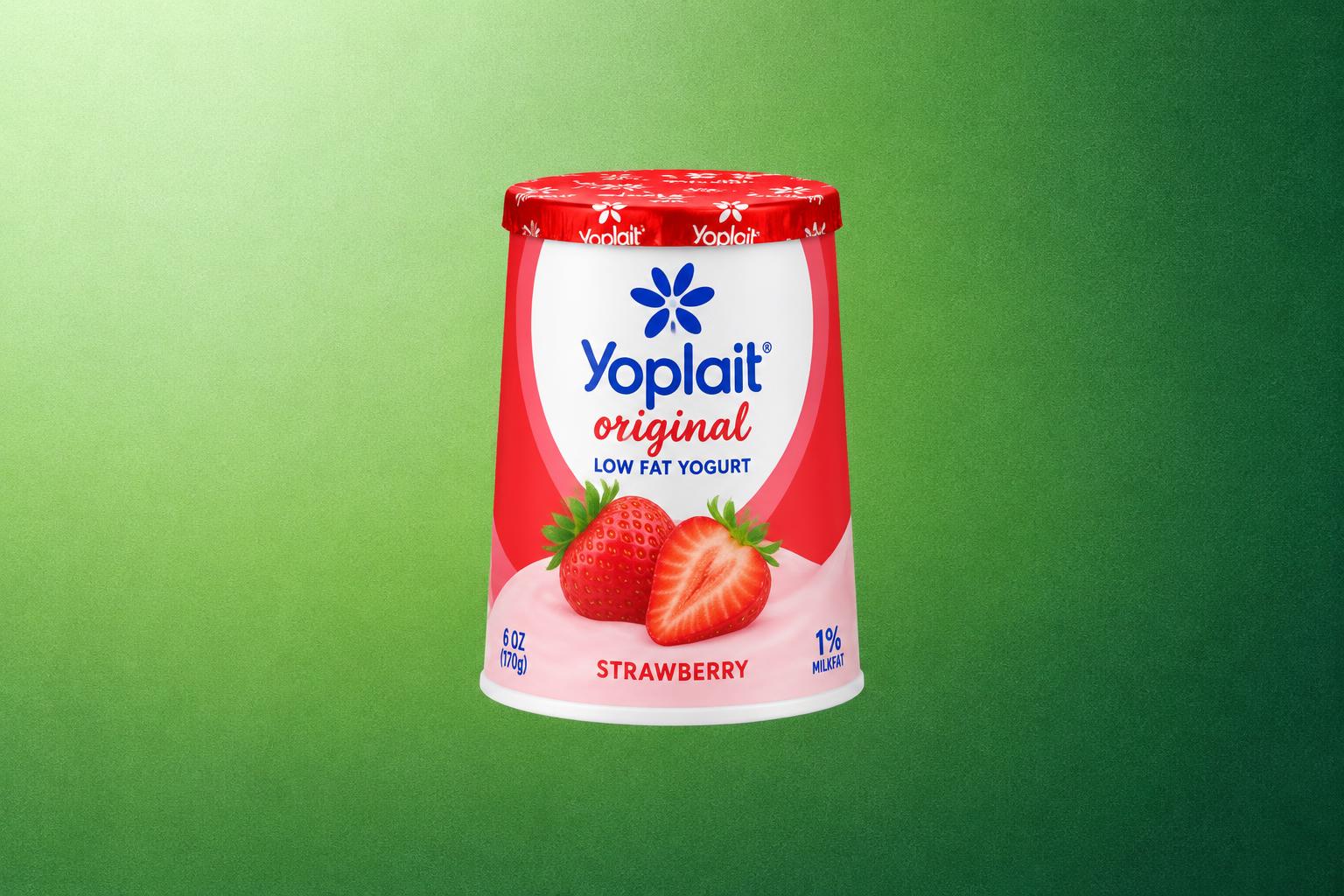
Is yogurt ultra-processed? Plain yogurt is not. A tub of plain yogurt is pasteurized milk fermented with live cultures. By NOVA's logic, that sits at the minimally processed end of the scale. The answer changes in the flavored aisle. Many fruit cups, vanilla tubs and "light" yogurts add sugar plus flavors, thickeners or sweeteners like sucralose. Those last three are the cosmetic additives that NOVA ties to ultra-processed foods. The tricky part is that every one of them can still be called "yogurt" under the federal standard. So the front of the pack won't tell you much. The ingredient list will, and it takes about 30 seconds to read.

Find the controversial ingredients already in your kitchen.
Scan packaged foods at home, understand ingredients, and find healthier alternatives in seconds.




 Scan with Osana
Is yogurt ultra-processed? The short answer
It depends on what's in the cup, not on the word "yogurt." NOVA sorts foods into four groups by how they are made and what goes into them. Ultra-processed foods in group 4 often carry cosmetic additives: flavors, colors, emulsifiers, sweeteners, thickeners and gelling agents (Monteiro et al., Public Health Nutrition 2019).
Plain yogurt has none of those. A cup of plain yogurt sweetened only with sugar is a step further along. A fruit yogurt with natural flavor and pectin, or a light yogurt with sucralose, is further still. Our guide to the NOVA food classification explains all four groups, and the spectrum below shows where common yogurts land.
Why plain yogurt counts as minimally processed
Plain yogurt is milk that has been heated, cultured and chilled. Those are simple steps you could copy in a home kitchen. The cultures turn some of the milk sugar into lactic acid, which thickens the milk and gives it that tang. Nothing in the list is an industrial ingredient you couldn't buy at the store.
That's why plain yogurt sits closer to milk than to a snack cake. A plain yogurt sold with sugar stirred in is a processed food in NOVA terms: a simple food plus a kitchen ingredient. Bread and cheese follow the same pattern, as our guides to whether bread is ultra-processed and whether cheese is ultra-processed show.
Processed is not the same as ultra-processed: a sweetened plain yogurt is processed. A cup built around flavors, sweeteners and thickeners is closer to group 4. Our guide to processed vs ultra-processed foods shows the difference with side-by-side label examples.
What the federal yogurt standard allows
The FDA standard for yogurt sets rules for milk, acidity and cultures, but it also allows many optional ingredients. Under 21 CFR 131.200, yogurt is made by culturing milk or cream with two named bacteria, Lactobacillus delbrueckii subsp. bulgaricus and Streptococcus thermophilus (Cornell LII, 21 CFR 131.200).
The same standard lists optional sweeteners, flavoring ingredients, color additives, stabilizers, emulsifiers and preservatives (21 CFR 131.200). A plain cup and a heavily formulated cup can both be named "yogurt." That's the big difference from cheese, where the legal name often tells you how far a product has moved.
The name does carry a few small clues. The word "sweetened" must appear when a sugar is added without a characterizing flavor. A flavor like "strawberry" must be declared with the name (21 CFR 131.200). Yogurt heat-treated after culturing must say "does not contain live and active cultures."
Flavored and light yogurts: where ultra-processed starts
A yogurt crosses into ultra-processed territory when its list includes cosmetic additives. NOVA's authors suggest checking whether a list holds at least one ingredient typical of group 4, often near the end (Monteiro et al., 2019). In the yogurt aisle, a few names show up again and again.
| On the list | Why it's there | NOVA-style read |
|---|---|---|
| Milk, cream, live cultures | The yogurt itself | Minimally processed |
| Sugar or cane sugar | Sweetness | Processed when it's the only addition |
| Natural flavor, artificial flavor | Fruit or vanilla taste | Cosmetic additive (group 4 marker) |
| Modified corn starch, pectin, gelatin, gums | Thicker, smoother texture | Thickener or gelling agent (group 4 marker) |
| Sucralose, acesulfame potassium, aspartame | Sweetness with fewer calories | Sweetener (group 4 marker) |
| Colors such as carmine or fruit and vegetable juice for color | A brighter shade | Color (group 4 marker) |
Fruit and vanilla yogurts
Many fruit-on-the-bottom and vanilla cups pair sugar with natural flavor and a thickener. Natural flavor is still a flavor in NOVA's terms, which is why these cups lean ultra-processed. Our explainers on natural flavors in food and modified food starch cover what those two common entries mean.
Light and nonfat yogurts
"Light" cups often cut calories by swapping some sugar for a sweetener and the lost fat for thickeners. That combination is a clear group 4 pattern by NOVA's logic. Plain nonfat yogurt is a different case: if the list is just nonfat milk and cultures, it's still minimally processed.
Is Greek yogurt ultra-processed?
Plain Greek yogurt usually isn't. Traditional Greek yogurt is strained to remove liquid whey, which makes it thicker and higher in protein per spoonful. Straining is a physical step, so a list of milk and cultures stays at the minimally processed end.
Watch the "Greek-style" and flavored versions. Some get their thickness from added starch or gelatin rather than straining. Flavored Greek cups often add the same sugar, flavors and sweeteners as regular ones. The list tells you which kind you're holding.
How to read a yogurt label in 30 seconds
Check the ingredient list first and the added sugars line second. Processing level and sugar are separate questions, and a cup can pass one test and fail the other.
- Count the ingredients
Milk and cultures, maybe with fruit, is the shortest list you'll find. Every extra line deserves a quick look.
- Scan the end of the list
Look for flavors, thickeners like modified corn starch or pectin, sweeteners like sucralose, and colors. One of them signals a group 4 formulation by NOVA's logic.
- Read the added sugars line
The Daily Value for added sugars is 50 grams, and 5% DV or less is low while 20% DV or more is high (FDA). That works out to 2.5 grams or less as low and 10 grams or more as high.
- Don't count milk sugar against it
Plain yogurt shows total sugars from milk, but added sugars exclude sugars naturally found in milk (FDA). Our guide to added sugar vs total sugar explains the two lines.
If your family likes flavored yogurt, an easy middle ground is plain yogurt with fresh fruit and a drizzle of honey you add yourself. You control the sweetness, and the list stays short. For brand comparisons, see our guide to healthy yogurt brands.
Frequently asked questions
Is flavored yogurt ultra-processed?
Often, yes. Many flavored cups combine sugar with natural or artificial flavor and a thickener such as starch or pectin. By NOVA's logic, those flavors and thickeners are cosmetic additives that mark a group 4 food. A cup flavored only with fruit and sugar is closer to processed.
Does "live and active cultures" mean a yogurt is less processed?
Not on its own. The claim means at least 10 million cultures per gram at manufacture (21 CFR 131.200). A flavored cup with sweeteners can carry it too, so read the list as well.
What is the least processed yogurt?
Plain yogurt, whole milk, lowfat, nonfat or Greek, with a list of milk and cultures only. Adding your own fruit keeps it close to the minimally processed end.
The bottom line on yogurt and processing
Yogurt is not ultra-processed by default. Plain yogurt made from milk and live cultures sits at the minimally processed end, and sugar alone makes it processed. Flavored and light cups are where ultra-processed starts, because flavors, thickeners, colors and sweeteners are NOVA's group 4 markers.
Since the federal standard lets all of them carry the name "yogurt," the ingredient list is your best guide. Read it first, then check added sugars, and pick the plain tub more often when it suits your family.
To see a yogurt's processing level and additives before it goes in your cart, try scanning it with Osana on your next grocery run.
Sources
- Cornell Law School Legal Information Institute, 21 CFR 131.200, "Yogurt", accessed November 2026.
- Monteiro C.A. et al., "Ultra-processed foods: what they are and how to identify them," Public Health Nutrition 22(5):936-941, 2019.
- U.S. Food and Drug Administration, "Added Sugars on the Nutrition Facts Label", current as of March 2026.