Palm oil in food: what it is, label names and where it hides
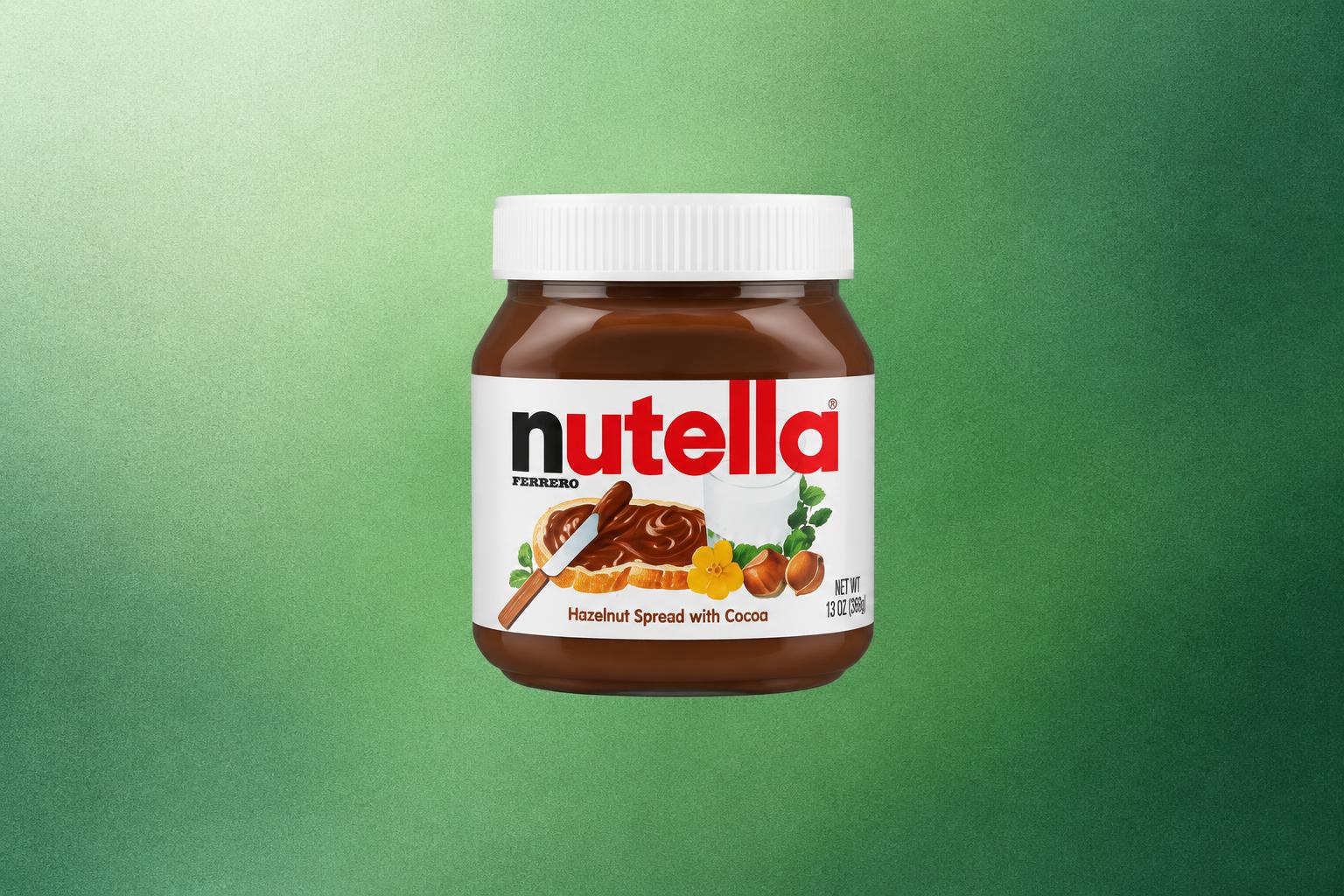
Palm oil in food is a fruit oil pressed from the flesh of the oil palm. It is one of the most common fats in packaged snacks, spreads and baked goods. It is not a seed oil: palm kernel oil, its cousin, comes from the seed. Brands like it because it is naturally semi-solid, so it can replace the partially hydrogenated oils the FDA phased out. The trade-offs are real but manageable. Palm oil is about half saturated fat, refining can create contaminants regulators watch, and farming raises sustainability questions. Here is what it is, how to spot it and how to weigh it.

Find the controversial ingredients already in your kitchen.
Scan packaged foods at home, understand ingredients, and find healthier alternatives in seconds.




 Scan with Osana
What is palm oil?
Palm oil is pressed from the orange flesh of the oil palm fruit, much like olive or avocado oil. That makes it a fruit oil, not a seed oil. Unrefined red palm oil keeps its deep color, while the palm oil in most packaged foods is refined, bleached and deodorized to a neutral taste.
The same fruit holds a hard seed, or kernel, in its center. Pressing that kernel gives palm kernel oil, a very different fat. So if you are following a seed oil list, palm oil usually stays off it, while palm kernel oil sits in a gray zone. Our complete list of seed oils and their label names explains how those lists are built.
Palm oil
- From the fruit flesh
- Semi-solid at room temperature
- About half saturated fat
- Used in spreads, crackers, fried snacks
Palm kernel oil
- From the seed in the center
- Firmer, closer to coconut oil
- Mostly saturated fat
- Used in coatings, frostings, creamers
Why brands use palm oil
Palm oil is one of the fats food makers can use in place of partially hydrogenated oils, the main source of artificial trans fat. The FDA determined in 2015 that partially hydrogenated oils were no longer GRAS. After June 18, 2018, manufacturers could not add them to foods (FDA). The agency later extended the final compliance date to January 1, 2021.
Brands needed a fat that stays firm without hydrogenation, and palm oil fits. Being semi-solid, it gives cookies their snap, keeps peanut butter from separating and makes frosting hold its shape. Its low polyunsaturated fat content also makes it slow to go rancid, which helps shelf life. If the GRAS label is new to you, see what GRAS means in food.
Palm oil names on ingredient labels
Palm oil rarely appears under one name, so it helps to know the whole family. Food makers often split palm oil into a liquid part (olein) and a solid part (stearin), then blend or treat them for texture.
| Label name | What it is | Where you may see it |
|---|---|---|
| Palm oil, palm fruit oil | Refined oil from the fruit | Crackers, cookies, nut butters |
| Red palm oil | Unrefined fruit oil, keeps its color | Bottled oil, some specialty foods |
| Palm olein | Liquid fraction of palm oil | Frying oil, some infant formulas |
| Palm stearin | Solid fraction of palm oil | Shortening, margarine, pastry |
| Palm kernel oil | Oil from the seed | Chocolate coatings, frosting, creamer |
| Fractionated or hydrogenated palm kernel oil | Palm kernel oil processed to be firmer | Candy coatings, whipped toppings |
| Interesterified palm oil | Palm oil with its fat structure rearranged | Spreads, baked goods |
| Vitamin A palmitate, ascorbyl palmitate | Vitamin or antioxidant made with palmitic acid, not always from palm | Milk, cereal, oils (tiny amounts) |
Two more clues are easy to miss. "Vegetable oil (contains one or more of: palm, soybean, canola)" is an "and/or" list US rules allow. Palm may or may not be in your box.
Mono- and diglycerides are emulsifiers made from palm or other fats, and the label rarely says which. Our guide to emulsifiers in food covers them.
Foods with palm oil: where it shows up
You will find palm oil mostly in foods that need a fat to stay solid at room temperature. That means the snack, bakery and spread aisles more than the produce section.
- Spreads: no-stir peanut and almond butters, chocolate hazelnut spreads, margarine.
- Baked goods: cookies, crackers, pie crusts, frozen pastry and snack cakes.
- Snacks: microwave popcorn, instant noodles, granola and snack bars.
- Sweets: frosting, chocolate-flavored coatings and candy.
- Drinks and dairy swaps: powdered coffee creamers and some plant-based cheeses.
Palm oil also shows up in products sold as seed oil free, since it can replace soybean or canola oil. If you are comparing those, see our picks of seed oil free snacks and our guide to foods with seed oils.
Palm oil nutrition: the saturated fat question
Palm oil is roughly half saturated fat, and palm kernel oil is mostly saturated. That is the main nutrition difference from liquid oils like olive or canola. Per 100 g, USDA FoodData Central puts palm oil at 49.3 g of saturated fat and palm kernel oil at 81.5 g. Palm oil also carries some vitamin E, 15.9 mg per 100 g by the same USDA entry, but a serving of a snack holds only a few grams of oil.
US dietary advice is to keep saturated fat in check. The %DV line on the Nutrition Facts panel shows quickly how much a serving adds. Our guide to reading %Daily Value shows how. In most snacks, the amount of palm oil matters more than its presence, so compare the saturated fat line between similar products.
Processing contaminants: 3-MCPD and glycidyl esters
When vegetable oils are refined at high heat, small amounts of contaminants called 3-MCPD esters and glycidyl esters can form. This happens with many oils, not only palm. In its 2016 assessment, EFSA found the highest glycidyl ester levels in palm oils and fats. It named palm oil a major contributor to 3-MCPD exposure (EFSA, May 2016).
EFSA concluded there is sufficient evidence that glycidol, which glycidyl esters release during digestion, is genotoxic and carcinogenic, so it set no safe level. It flagged infants fed only formula as a group of particular concern. For people aged three and up, margarines, pastries and cakes were the main sources.
Some context: EFSA reported that glycidyl ester levels in palm oils and fats roughly halved between 2010 and 2015 thanks to producer measures (EFSA). The EU has since set legal maximum levels for glycidyl esters in oils and infant formula (Regulation (EU) 2018/290). EFSA has updated parts of this work since 2016, so check its site for current figures.
For a shopper, the practical takeaway is simple. Contaminant levels depend on how an oil is refined, which no label shows. Eating fewer pastries, margarine-heavy products and fried snacks lowers exposure from every refined oil at once.
Palm oil and sustainability, briefly
Palm oil's environmental record depends on where and how it is grown. Expansion of oil palm plantations has been linked to tropical deforestation, which is why many shoppers look for certification. At the same time, the oil palm yields a lot of oil per acre, so simply swapping to another oil does not automatically help.
The best-known label is from the Roundtable on Sustainable Palm Oil (RSPO). Its claims vary: "segregated" or "identity preserved" oil is kept apart from uncertified oil, while "mass balance" mixes certified and uncertified supply. If sustainability matters to you, the brand's own palm oil policy page usually says which model it uses.
How to spot palm oil on a label
The ingredient list, not the front of the box, tells you whether palm oil is in a product. These steps take under a minute in the aisle.
- Scan for "palm"
Look for palm oil, palm kernel oil, palm olein, palm stearin and interesterified palm oil.
- Read the "and/or" oil list
"Contains one or more of" means palm may be in some batches and not others.
- Check the fat's position
Ingredients are listed by weight, so palm near the top means it is a main ingredient.
- Compare saturated fat
Put two similar products side by side and compare the saturated fat line per serving.
For more label habits like these, see how to read food ingredient labels.
Frequently asked questions
Is palm oil a seed oil?
No. Palm oil is pressed from the fruit flesh of the oil palm, like olive oil. Palm kernel oil is the one made from the seed, and some seed oil lists include it while others do not.
Is palm oil bad for you?
It is about half saturated fat, according to USDA data, and refining can form contaminants that EFSA tracks. It also tends to appear in ultra-processed snacks and baked goods. How much you eat matters more than a single ingredient.
Why is palm oil in peanut butter?
No-stir peanut butters often add a small amount of palm oil so the natural oil does not separate. Peanut butters with only peanuts and salt need stirring instead.
Conclusion
Palm oil is a fruit oil, not a seed oil, and it is one of the fats that took the place of partially hydrogenated oils in packaged food. It is about half saturated fat, palm kernel oil even more, and refining can leave contaminants that European regulators now limit. None of that makes one cookie a problem. If you want less palm oil, read the ingredient list for its many names, compare saturated fat per serving and lean on less processed foods.
If you want a quicker way to spot palm oil and its aliases in the aisle, try scanning your next box with Osana.
Sources
- FDA, "Trans Fat", accessed November 2026.
- USDA FoodData Central, "Oil, palm" (SR Legacy, FDC 171015), accessed November 2026.
- USDA FoodData Central, "Vegetable oil, palm kernel" (SR Legacy, FDC 171422), accessed November 2026.
- EFSA, "Process contaminants in vegetable oils and foods", May 3, 2016.
- EUR-Lex, Commission Regulation (EU) 2018/290 on maximum levels of glycidyl fatty acid esters, February 2018.
- Roundtable on Sustainable Palm Oil (RSPO), accessed November 2026.