Food dyes list: every synthetic color on US labels and where the FDA phase-out stands
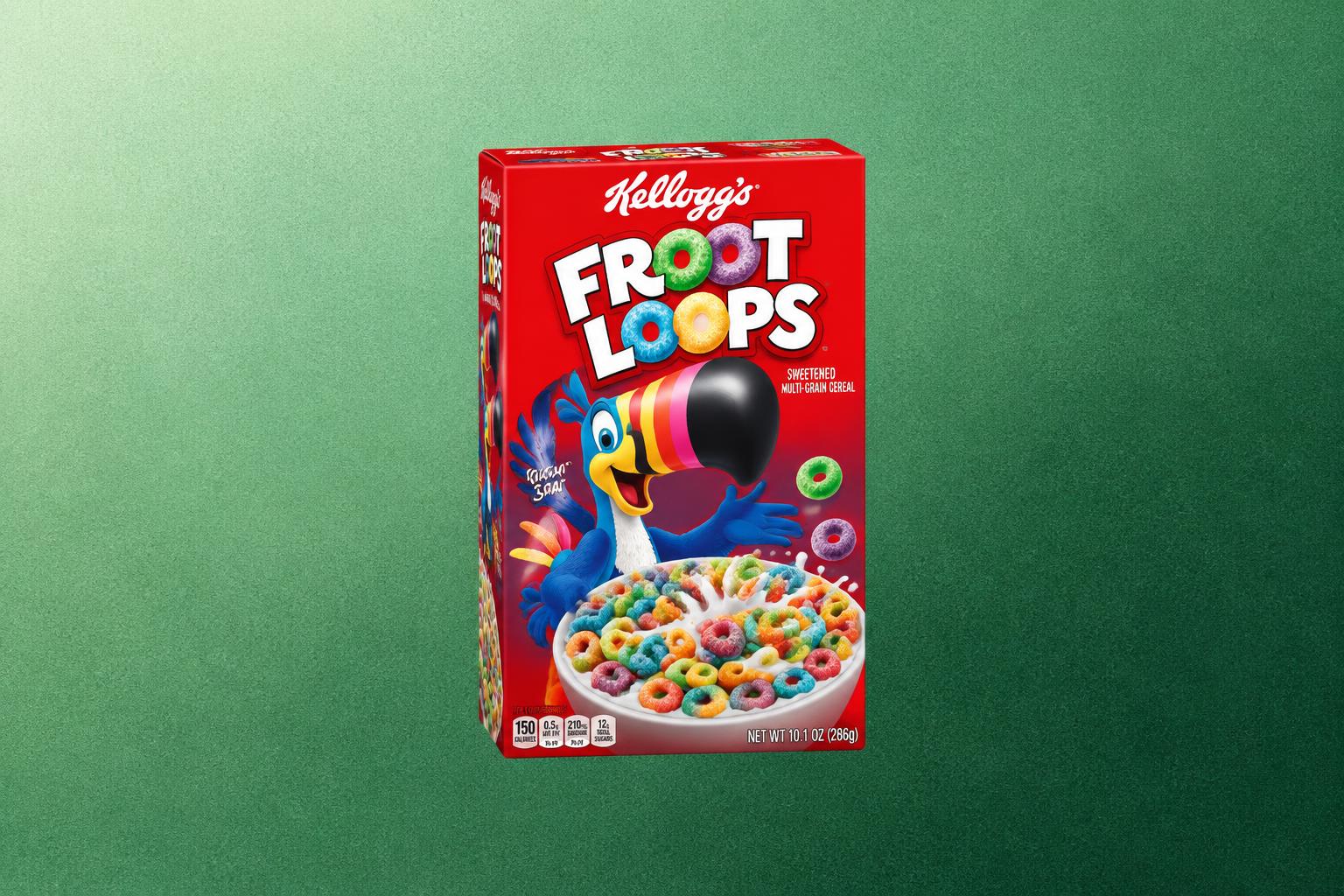
A food dyes list for US shoppers is shorter than you might think. Six synthetic dyes are still common in American food: Red 40, Yellow 5, Yellow 6, Blue 1, Blue 2 and Green 3. As of October 2026, the FDA aims to see those six gone by the end of 2027 through a voluntary phase-out, not a ban. Red No. 3's authorization has been revoked, Orange B's too, and Citrus Red No. 2 may follow. Below, you'll find each dye, its EU code, its status and how to spot it on a label.
Find the controversial ingredients already in your kitchen.
Scan packaged foods at home, understand ingredients, and find healthier alternatives in seconds.


 Scan with Osana
What counts as a synthetic food dye?
A synthetic food dye is a certified color additive: a petroleum-based color that the FDA certifies batch by batch. US labels list these dyes by name, as "Red 40" or "FD&C Yellow No. 5," so you can spot them in the ingredient list.
You may also see "Lake" after a dye name, as in "Blue 1 Lake." A lake is the same dye in a form that doesn't dissolve in water, so it still counts as a synthetic dye.
The full food dyes list, with EU codes and status
These are the nine synthetic colors authorized for US food in recent years, with their EU codes and status as of October 2026. Six are still in use, one has a firm deadline and two were limited to niche uses.
| US name | Common name | EU code | Color | Status (Oct 2026) |
|---|---|---|---|---|
| FD&C Red No. 40 | Allura Red AC | E129 | Red | Authorized; phase-out target end of 2027 |
| FD&C Yellow No. 5 | Tartrazine | E102 | Lemon yellow | Authorized; phase-out target end of 2027 |
| FD&C Yellow No. 6 | Sunset yellow FCF | E110 | Orange-yellow | Authorized; phase-out target end of 2027 |
| FD&C Blue No. 1 | Brilliant blue FCF | E133 | Bright blue | Authorized; phase-out target end of 2027 |
| FD&C Blue No. 2 | Indigo carmine | E132 | Deep blue | Authorized; phase-out target end of 2027 |
| FD&C Green No. 3 | Fast green FCF | E143 | Blue-green | Authorized; phase-out target end of 2027 |
| FD&C Red No. 3 | Erythrosine | E127 | Cherry red | Revoked Jan 15, 2025; out of food by Jan 15, 2027 |
| Orange B | No other name | Not on the EU list | Orange | Revoked by final order, July 2026 (was frankfurter casings or surfaces only) |
| Citrus Red No. 2 | No other name | E121, not authorized in the EU | Orange-red | Revocation proposed July 2026, not final (orange peels only) |
The six FD&C dyes still on US shelves
- Red 40 (Allura Red AC) is a common red in candy, drinks, snacks and cereals. Start with our guide to Red 40 in food.
- Yellow 5 (tartrazine) gives a lemon-yellow shade to candy, drinks and snacks. See our Yellow 5 food dye guide.
- Yellow 6 (sunset yellow FCF) adds orange-yellow tones, often next to Red 40 or Yellow 5. See our Yellow 6 guide.
- Blue 1 (brilliant blue FCF) is the bright blue in many candies, frostings and drinks. More in our Blue 1 food dye guide.
- Blue 2 (indigo carmine) is a deeper, indigo blue. Look for "Blue 2" or "Blue 2 Lake" on the label.
- Green 3 (fast green FCF) is a blue-green shade and one of the less familiar names on this list.
Red No. 3: revoked, with a 2027 deadline
Red No. 3 (erythrosine) has a firm exit date from US food. The FDA revoked its authorization on January 15, 2025 and set a deadline of January 15, 2027, while encouraging companies to remove it sooner. Our Red Dye 3 ban explainer covers the background.
Orange B and Citrus Red No. 2
These two were always limited to one narrow use each. Orange B was only allowed on the casings or surfaces of frankfurters. Citrus Red No. 2 has been authorized since 1959 only to color the skins of mature oranges.
In July 2026, the FDA issued a final order revoking Orange B and proposed revoking Citrus Red No. 2. The comment period on that proposal closed on August 24, 2026. As of October 2026, that revocation is still a proposal, not final.
Are food dyes being banned in the US?
Of the nine, only Red No. 3 and Orange B have had their authorizations revoked so far. Citrus Red No. 2 is proposed for revocation. As of October 2026, the six main dyes are still authorized, and their phase-out relies on company pledges, not a ban.
On April 22, 2025, HHS and the FDA announced a national initiative to phase out petroleum-based dyes and move toward natural alternatives. The FDA now tracks company pledges and aims to see the six gone by the end of 2027.
For now, you may see dyed and reformulated products side by side. A pledge isn't a recall, so older versions can stay on shelves while companies switch. The ingredient list, not the brand name, is the reliable way to check.
New colors from natural sources
The FDA has also approved several colors from natural sources. They include galdieria extract blue, butterfly pea flower extract, gardenia blue, beetroot red and calcium phosphate. These widen the palette companies can use when they reformulate.
Synthetic dyes vs colors from natural sources
The ingredient list tells you which kind of color you're looking at. Certified synthetic dyes are listed by name, while colors from natural sources are usually listed by what they come from.
Certified synthetic colors
- Petroleum-based, and each batch is certified by the FDA
- Listed by name, such as "Red 40" or "FD&C Yellow No. 5"
- Includes "Lake" versions, such as "Blue 1 Lake"
- The six in everyday use are in a voluntary FDA phase-out
Colors from natural sources
- Made from sources such as vegetables, flowers, algae or minerals
- Listed by source, such as "beet juice (color)," "spirulina extract" or "annatto"
- Products using only these can say "no artificial colors," per current FDA flexibility
Natural-source colors are still added color. If you're avoiding certified dyes, our list of healthy snacks without artificial dyes is a good place to start.
Are synthetic food dyes safe?
The six main dyes are still FDA-authorized, even as the voluntary phase-out moves ahead. Most concerns center on behavior in some children, which our guide to artificial food dyes in kids' snacks covers in more detail. If you have questions about your child's diet, talk with your pediatrician or a registered dietitian.
Under EU Regulation (EC) No 1333/2008, foods with some colors, including Yellow 5 (E102), Yellow 6 (E110) and Red 40 (E129), need a warning. It says the color "may have an adverse effect on activity and attention in children." A warning signals caution, but on its own it isn't proof of harm.
How to spot food dyes on an ingredient list
Look for a color name followed by a number, including any "Lake" version. That pattern marks a certified synthetic dye, whatever the front of the package says.
- Go to the end of the list
Ingredients are listed in order of weight, and dyes are used in small amounts, so they usually sit near the bottom.
- Match the color names
"Red 40," "FD&C Red No. 40" and "Yellow 5 Lake" all point to certified dyes, with or without the "FD&C" prefix.
- Separate natural-source colors
Names like "beet juice (color)," "annatto" or "spirulina extract" are colors from natural sources, not certified dyes.
Example: in a list ending "...citric acid, natural flavor, Red 40, Blue 1 Lake," both Red 40 and Blue 1 Lake are certified synthetic dyes.
Dyes are just one group of additives on a label. Our food additives list covers the other common ones.
Frequently asked questions
Is Red 40 banned in the US?
No. As of October 2026, Red 40 is still authorized in US food. It's one of six dyes in the FDA's voluntary phase-out, which targets the end of 2027. Some food companies have pledged to stop using it.
What does FD&C mean on a food label?
FD&C refers to the federal Food, Drug, and Cosmetic Act. "FD&C Red No. 40," "Red No. 40" and "Red 40" all name the same certified dye, whose EU code is E129.
Does "no artificial colors" mean no added color?
No. The FDA has given companies flexibility to use that claim when colors come from natural sources, such as beet juice, annatto or spirulina extract. Check the ingredient list to see exactly what was used.
What the food dyes list means for your cart
The US food dyes list now comes down to six everyday certified colors plus Red No. 3, which faces a firm deadline. The FDA's push to remove the six relies on company pledges, not a ban, so changes will happen product by product. In the meantime, the ingredient list is your most reliable tool. Look for a color plus a number, check for lakes, and remember that natural-source colors are still added color.
For a faster way to check for dyes in the aisle, try scanning a product's barcode with Osana on your next grocery run.
Sources
- FDA, "Tracking Food Industry Pledges to Remove Petroleum Based Food Dyes", page current as of September 15, 2026, accessed October 2026.
- FDA, "FDA Takes Further Steps to Remove Outdated Authorizations for Color Additives in Food", press release, July 22, 2026.
- European Union, Regulation (EC) No 1333/2008 on food additives, Official Journal, 2008.