How to spot hidden sodium on food labels: a US shopper's guide
 By Clement8 min read
Find the controversial ingredients already in your kitchen.
Scan packaged foods at home, understand ingredients, and find healthier alternatives in seconds.



 Scan with Osana
To spot hidden sodium on food labels, do three things in order: read the Sodium line on the Nutrition Facts panel and check the serving size it refers to, look at the %DV (5% or less is low, 20% or more is high), then scan the ingredient list for any word starting with "sodium" plus salt-adjacent terms like brine, baking soda, and disodium. Most of the sodium in the American diet does not come from your salt shaker, it comes from packaged foods and restaurant meals, which is exactly why the label matters more than the taste.
That last point is the part shoppers miss. Sodium is not always salty on the tongue. A cinnamon raisin bagel, a slice of deli turkey, a cup of "no sugar added" tomato soup, and a frozen chicken entree can all carry more sodium than a serving of potato chips.
Start with the Nutrition Facts panel, not the front of the box
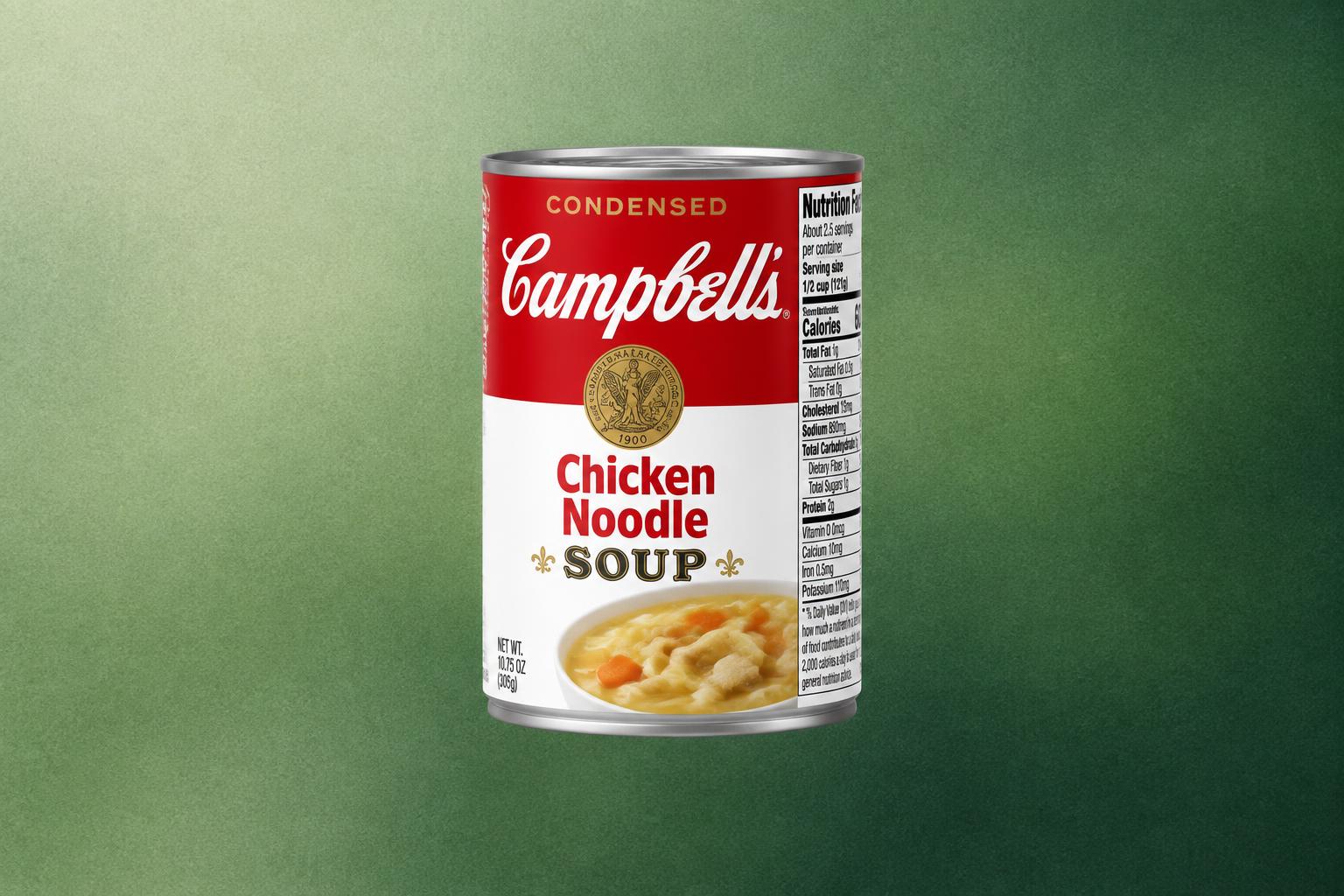
The front of the package is marketing. The back is regulated. On the Nutrition Facts panel, the FDA requires sodium in milligrams per serving plus a percent Daily Value based on a 2,300 mg daily reference, which is also the general upper limit in the Dietary Guidelines for Americans.
Three habits make that number honest:
- Check the serving size first. A can of soup is often 2 servings. A "personal" frozen pizza is sometimes 2 servings. Multiply before you judge.
- Use the %DV shortcut. The FDA's own guidance on reading the Nutrition Facts label treats 5% DV or less as low and 20% DV or more as high per serving.
- Compare within the category, not across it. Two jars of marinara at Target can differ by 300 mg per half cup. That gap is where the real win is.
What the front-of-pack claims legally mean
These are defined terms, not vibes:
- Sodium free: less than 5 mg per serving
- Very low sodium: 35 mg or less per serving
- Low sodium: 140 mg or less per serving
- Reduced sodium: at least 25% less than the regular version, which can still be high
- No salt added / unsalted: no salt added during processing, but the food may naturally contain sodium
- Lightly salted: at least 50% less added sodium than the regular product
"Reduced sodium" soy sauce is the classic trap. It is genuinely lower than the original and still one of the saltiest things in your pantry.
Sodium names on food labels: the ingredient list vocabulary
The Nutrition Facts panel tells you how much. The ingredient list tells you where it came from, which matters if you are trying to buy less processed food overall. Here are the sodium names on food labels worth recognizing:
Obvious salt terms: salt, sea salt, kosher salt, Himalayan pink salt, celery salt, garlic salt, onion salt, brine, saline solution. Specialty salts are not lower in sodium by weight in any meaningful way.
Preservatives and cure agents: sodium benzoate, sodium nitrite, sodium nitrate, sodium sorbate, sodium propionate (common in sandwich bread), sodium erythorbate, sodium diacetate.
Leavening agents: baking soda (sodium bicarbonate), sodium aluminum phosphate, sodium acid pyrophosphate. This is why muffins, biscuits, pancake mix, and self-rising flour carry sodium you never taste.
Texture, moisture, and binding: sodium phosphate, disodium phosphate, sodium tripolyphosphate (injected into chicken breasts and deli meats), sodium caseinate, sodium alginate, sodium stearoyl lactylate, sodium carboxymethylcellulose.
Flavor enhancers: monosodium glutamate, disodium inosinate, disodium guanylate, sodium citrate, hydrolyzed vegetable protein, autolyzed yeast extract, soy sauce powder, natural flavor blends built on salt. If MSG is the term you keep seeing in videos, we covered what it actually is and where it appears in our guide to MSG on US ingredient lists.
Emulsifiers and dough conditioners: sodium metabisulfite, sodium silicoaluminate, sodium bisulfite.
One nuance worth knowing: not every "sodium" ingredient contributes much sodium. Sodium saccharin and sodium benzoate are used in tiny amounts. Salt, phosphates, and leaveners are the heavy hitters. The Nutrition Facts number is still your arbiter.
Hidden sources of sodium in a real US grocery cart
If you want the fastest route to cutting sodium, do not start with chips. Start with the categories that deliver sodium quietly and in volume. The CDC's work on sodium in the food supply consistently points to the same aisles.
Bread and rolls. Not salty tasting, but eaten daily. A slice of sandwich bread can run 130 to 230 mg, and two slices plus deli meat can hit a third of the day before lunch is assembled. If bread is your family staple, our breakdown of how to pick a better loaf at Walmart shows what to compare shelf to shelf.
Deli meat and rotisserie chicken. Look for "sodium phosphate" or "up to X% solution" on the package. A plain looking rotisserie bird from Costco or Walmart is often brined or injected.
Cheese. Cottage cheese, feta, processed American slices, and shredded blends with anticaking agents all add up. Fresh mozzarella and Swiss tend to sit lower.
Soups, broths, and bouillon. Broth in cartons ranges from around 70 mg to over 900 mg per cup for the same product type. This is one of the biggest same-shelf gaps in the store.
Frozen entrees and pizza. Common range is 600 to 1,400 mg per package. Check whether the package is one serving or two.
Sauces and condiments. Marinara, teriyaki, salad dressing, ketchup, pickles, olives, capers, taco seasoning packets, and seasoning blends.
Breakfast cereals and instant oatmeal. Low profile, but flavored instant oatmeal packets often sit between 150 and 300 mg.
Canned beans and vegetables. Draining and rinsing canned beans can meaningfully reduce sodium, and "no salt added" versions are usually the same price.
Restaurant and takeout food. Not a label at all, which is why the packaged swaps you make at home matter more.
How to find sodium in ingredients in under 30 seconds
A repeatable in-aisle routine beats memorizing chemistry:
- Flip the package and find the serving size. Ask: how many of these will my family actually eat at once?
- Read sodium in mg, then the %DV. Anything at or above 20% DV in something you eat daily deserves a comparison.
- Scan the first five ingredients for salt or a sodium compound. Position matters, ingredients are listed by weight.
- Scan the back half of the list for phosphates, nitrites, and leaveners. This tells you how processed the product is, not just how salty.
- Pick up the neighbor product and compare. Two labels side by side is the single highest-value habit in grocery shopping.
- Watch for potassium chloride. It is a common salt substitute in reduced sodium products. It is widely used and generally recognized as safe, though people with kidney concerns or on certain blood pressure medications should ask their clinician.
A practical target many US shoppers use: keep packaged main dishes under roughly 600 mg per serving, snacks under 200 mg, and sauces under 300 mg per serving. These are not medical prescriptions, just a workable filter for a weekly Trader Joe's or Target run.
Why sodium and ingredient quality are two separate questions
Shoppers who came to labels through clean eating, additives, or MAHA-adjacent content often conflate the two. Worth separating them: a can of no-salt-added black beans with one ingredient is both low sodium and minimally processed. A reduced sodium frozen lasagna is lower in sodium and still ultra-processed. Olives are high in sodium and barely processed at all.
Sodium is one dimension. Additive load, oils, sweeteners, and processing level are others. For that broader question, the NOVA processing framework is a more useful lens than any single nutrient. The American Heart Association's sodium guidance is a reasonable reference for the nutrient side, and it suggests an ideal limit of 1,500 mg per day for most adults.
The takeaway
Hidden sodium is not really hidden, it is just spread across foods that do not taste salty and labeled with words that look like chemistry. Serving size, %DV, and a quick scan for "sodium anything" in the ingredient list will catch nearly all of it. Do that twice per category and you will build a pantry that is quietly lower in sodium without giving up anything you like. If you would rather not read every panel yourself, you can scan a barcode with Osana and see the sodium, the additives, and a cleaner alternative in a couple of seconds.
Frequently asked questions
Is sea salt or pink Himalayan salt lower in sodium than table salt?
Not in any way that matters. By weight they are all roughly 39% sodium. Coarse crystals can mean slightly less sodium per teaspoon simply because less salt fits in the spoon.
Does "no salt added" mean the food is sodium free?
No. It means no salt was added during processing. Celery, cheese, milk, and shellfish contain naturally occurring sodium, so the Nutrition Facts panel can still show a number.
Does rinsing canned beans really help?
Yes. Draining and rinsing canned beans removes a meaningful share of the sodium in the liquid. Buying the no-salt-added version and seasoning it yourself works even better.
Why does bread have so much sodium if it does not taste salty?
Salt controls yeast activity and strengthens gluten, and sodium propionate is often added as a mold inhibitor. The amounts per slice are modest, the daily volume is what adds up.
Should I worry about ingredients like sodium benzoate for sodium content?
For sodium totals, no, they are used in very small quantities. If you are evaluating them as additives rather than as sodium, that is a separate question about processing and preservatives.

Choose cleaner swaps before they land in your cart.
Use Osana at Whole Foods, Trader Joe's, Target, Costco, or Walmart to compare labels faster and shop with more confidence.