Organic vs non GMO: what each US label legally means on the package
 By Clement7 min read
Find the controversial ingredients already in your kitchen.
Scan packaged foods at home, understand ingredients, and find healthier alternatives in seconds.



 Scan with Osana
"USDA Organic" is a federal, legally enforced certification that covers how food is grown and processed, and it already prohibits genetically engineered ingredients. "Non-GMO" is a much narrower idea: the common green butterfly seal comes from a private nonprofit, not the government, and a plain "non-GMO" phrase on a box is voluntary marketing language with no single federal definition behind it. So in the organic vs non GMO comparison, organic is the broader legal standard, and non-GMO is one slice of what organic already requires.
That distinction matters at Target and Costco, where a $6 box can carry a butterfly seal and still list 30 ingredients.
What "USDA Organic" legally means
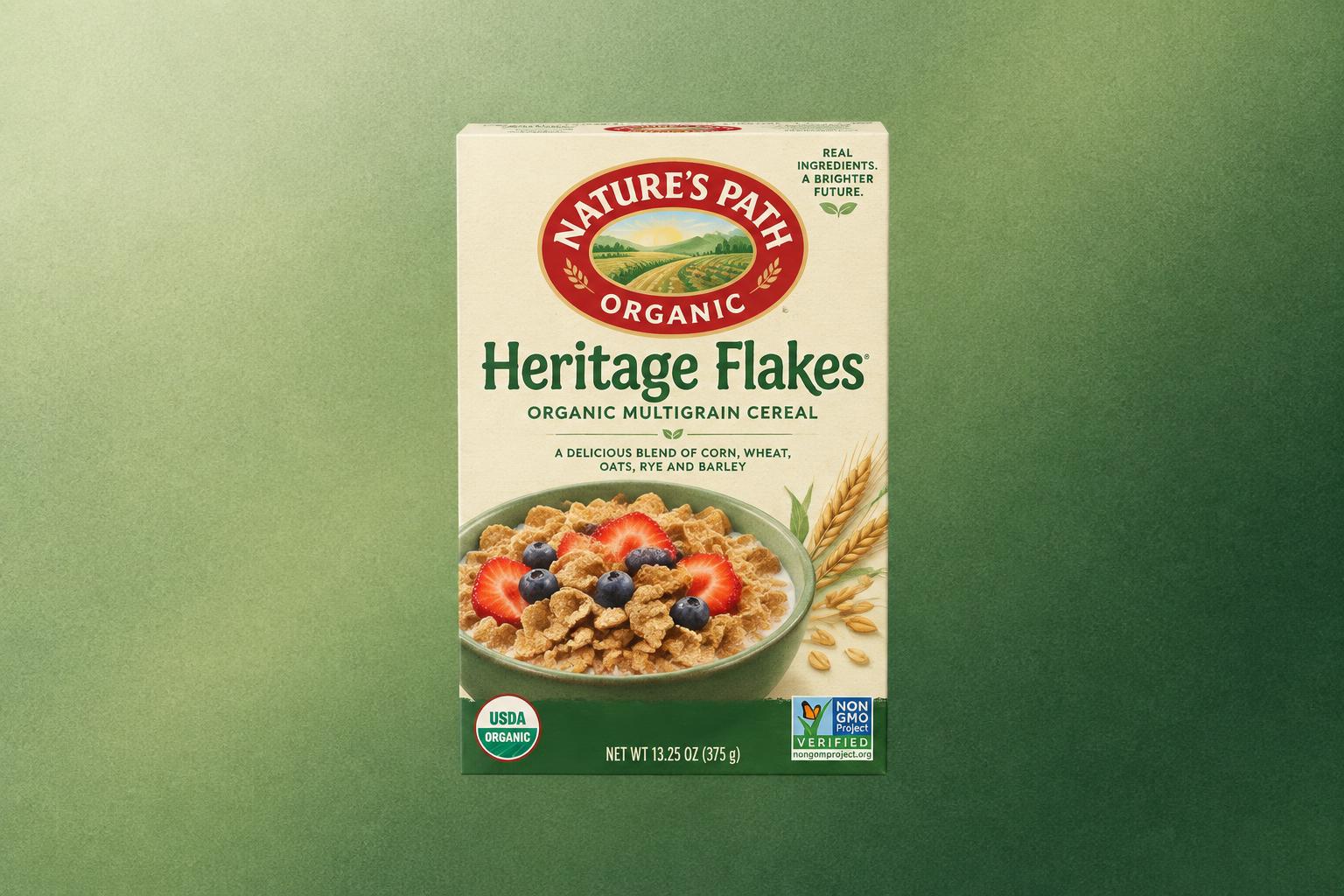
Organic is governed by the Organic Foods Production Act of 1990 and the USDA National Organic Program regulations in 7 CFR Part 205. Certification is done by USDA-accredited certifiers, farms and handlers are inspected annually, and the rules cover soil management, allowed and prohibited substances, and record keeping.
Two points that change how you read a label:
- Genetic engineering is an excluded method. Under the regulations, organic production cannot use excluded methods, which includes genetic engineering. The USDA explains this directly in its guidance on organic production and GMOs.
- Labeling tiers are specific. "100 percent organic" means all ingredients are organic. "Organic" means at least 95 percent organic ingredients by weight. "Made with organic ___" means at least 70 percent and cannot carry the USDA Organic seal. Products with less than 70 percent can only name organic items in the ingredient list.
The March 2024 Strengthening Organic Enforcement rule tightened import oversight and certification requirements across the supply chain, which is why more imported organic ingredients now need certificates.
So when you flip a Trader Joe's organic tortilla or a Costco Kirkland Signature organic product, the seal is telling you about a system: inputs, farming practices, and audited paperwork.
What "non-GMO" actually means on a US package
Here is where the difference between organic and non GMO gets slippery, because three very different things look similar on a box.
The Non-GMO Project Verified butterfly
This is a private third-party certification from a nonprofit, the Non-GMO Project. It has its own standard, testing thresholds, and participating brands, and it is genuinely meaningful about genetic engineering. But it is not a government program, it says nothing about pesticides used on the crop, and it does not restrict additives, added sugar, or processing level. A Non-GMO Project Verified cheese puff is still a cheese puff.
The USDA "Bioengineered" disclosure
This is the actual federal law, and it runs in the opposite direction. The National Bioengineered Food Disclosure Standard, mandatory since January 1, 2022, requires food makers to disclose bioengineered ingredients using the green "Bioengineered" symbol, on-pack text, a phone number, or a QR code. The USDA maintains a List of Bioengineered Foods that includes items such as corn, soybean, canola, sugarbeet, papaya, and certain summer squash. Federal law regulates the disclosure of presence, not the absence claim.
Plain "non-GMO" text a brand writes itself
A phrase like "non-GMO ingredients" with no seal is a voluntary marketing claim. FDA guidance on labeling foods regarding genetic engineering says such statements must be truthful and not misleading, and it warns that terms like "GMO free" can be misleading because absence is hard to substantiate. FDA also prefers wording like "not bioengineered." There is no inspection behind the plain phrase.
A useful reality check: a claim is only as strong as the body that verifies it. That is the same logic behind reading what "generally recognized as safe" really tells you instead of trusting the phrase at face value.
Organic vs non GMO, side by side
| USDA Organic | Non-GMO Project Verified | Plain "non-GMO" text | |
|---|---|---|---|
| Who defines it | Federal government, 7 CFR 205 | Private nonprofit standard | The brand itself |
| Third-party inspected | Yes, annually | Yes, by approved bodies | No |
| Excludes genetic engineering | Yes | Yes | Claimed, unverified |
| Restricts synthetic pesticides | Yes, with a national list | No | No |
| Restricts synthetic additives and colors | Yes, limited approved list | No | No |
| Says anything about processing level | Partly | No | No |
The short version of non GMO vs organic: organic covers more ground and is legally enforceable, non-GMO seals cover one specific issue well, and unverified "non-GMO" wording covers almost nothing.
Real aisle examples
Corn chips. A bag of organic tortilla chips and a Non-GMO Project Verified bag can look interchangeable. Since almost all US field corn is bioengineered, the butterfly is a real signal for corn products. Organic delivers the same exclusion plus pesticide rules.
Canned tomatoes. There is no commercially available bioengineered tomato in the US retail supply, so a "non-GMO" flag on tomatoes is closer to decoration. Organic still tells you something about growing practices.
Salt, bottled water, and single-ingredient spices. These have no genes. A non-GMO claim here is pure marketing.
Yogurt. Many tubs carry a butterfly because the dairy cows' feed matters to shoppers. Organic dairy adds pasture requirements and feed rules. Neither seal tells you the sugar load, which is why it pays to compare the tubs the way you would in a guide to healthy yogurt brands.
Breakfast cereal. A verified non-GMO cereal can still contain cane sugar, natural flavors, and gums. Organic cereal restricts synthetic colors and many additives, but organic cane sugar is still sugar.
How to read the front of the package in 15 seconds
- Look for the USDA Organic seal, not just the word "organic." The seal requires certification; a brand name containing "Organics" does not.
- Check the tier wording. "Made with organic oats" is a 70 percent product, not a 95 percent one.
- If you see the butterfly, note that it is answering one question only.
- If you see plain "non-GMO" with no seal, treat it as a preference signal, not proof.
- Flip the package. The ingredient list and the Nutrition Facts panel decide more about how processed a food is than any front-of-pack claim. That is the gap the NOVA food classification system is designed to expose.
Is one healthier than the other?
Neither label is a health claim, and US regulators are careful here. USDA states that organic certification is about production practices, not nutritional superiority. FDA's assessment is that foods from genetically engineered plants that it has reviewed are as safe as their conventional counterparts, which you can read in its consumer overview of GMO foods. Independent reviews, including the National Academies' 2016 report on genetically engineered crops, found no substantiated evidence of greater human health risk than conventional counterparts.
Consumer interest in additives, EU-restricted ingredients, and food transparency has grown sharply, and much of the recent MAHA-adjacent conversation online pushes people toward these seals. That interest is real, but the seals were never built to answer "is this ultra-processed?" Organic food vs non GMO is a question about inputs. The ingredient list is a question about formulation. You need both.
Conclusion
Use USDA Organic when you care about the whole growing and processing system, use a Non-GMO Project seal when your specific concern is genetic engineering in corn, soy, canola, or sugarbeet, and treat unverified "non-GMO" text as marketing. Then turn the package over, because the back panel is where the additives live. If you would rather not decode all of that in the aisle, scanning a barcode with Osana surfaces the additives, ultra-processed flags, and cleaner alternatives in a few seconds.
FAQ
Does organic automatically mean non-GMO? Yes, for certified products. Genetic engineering is an excluded method under the National Organic Program, so a USDA Organic product should not contain intentionally bioengineered ingredients. Trace contamination from drift or handling can occur without invalidating certification.
Why do some organic products also carry the butterfly seal? Redundancy sells. Brands add it because many shoppers recognize the butterfly faster than they recognize what organic already covers.
Is "bioengineered" the same word as "GMO"? Legally, no. "Bioengineered" is the specific term defined in the federal disclosure standard effective January 1, 2022. "GMO" is a colloquial term with no federal definition, which is one reason FDA discourages "GMO free" wording.
Does a non-GMO seal mean fewer pesticides? No. The Non-GMO Project standard addresses genetic engineering, not pesticide use. Only organic certification restricts synthetic pesticide inputs through a national list.
Are imported organic products held to the same rules? Under the Strengthening Organic Enforcement rule, imported organic products generally require NOP Import Certificates and more of the supply chain must be certified, which tightened oversight compared with earlier years.

Choose cleaner swaps before they land in your cart.
Use Osana at Whole Foods, Trader Joe's, Target, Costco, or Walmart to compare labels faster and shop with more confidence.