What is silicon dioxide in food? The anti-caking agent in your seasonings, explained
 By Clement5 min read
Find the controversial ingredients already in your kitchen.
Scan packaged foods at home, understand ingredients, and find healthier alternatives in seconds.




 Scan with Osana
Silicon dioxide in food is an anti-caking agent: a fine, flavorless powder that keeps seasonings, spice blends, drink mixes, and other dry foods from clumping into hard lumps. It is the same compound found naturally in sand, quartz, and many plants, but the food-grade version is a purified, non-crystalline form used in tiny amounts. In the US it is allowed at up to 2 percent of a food's weight.
In one line: silicon dioxide helps powders pour freely. It is not a preservative, a sweetener, or a flavor, and it is not the same as the crystalline silica dust that is a workplace breathing hazard.
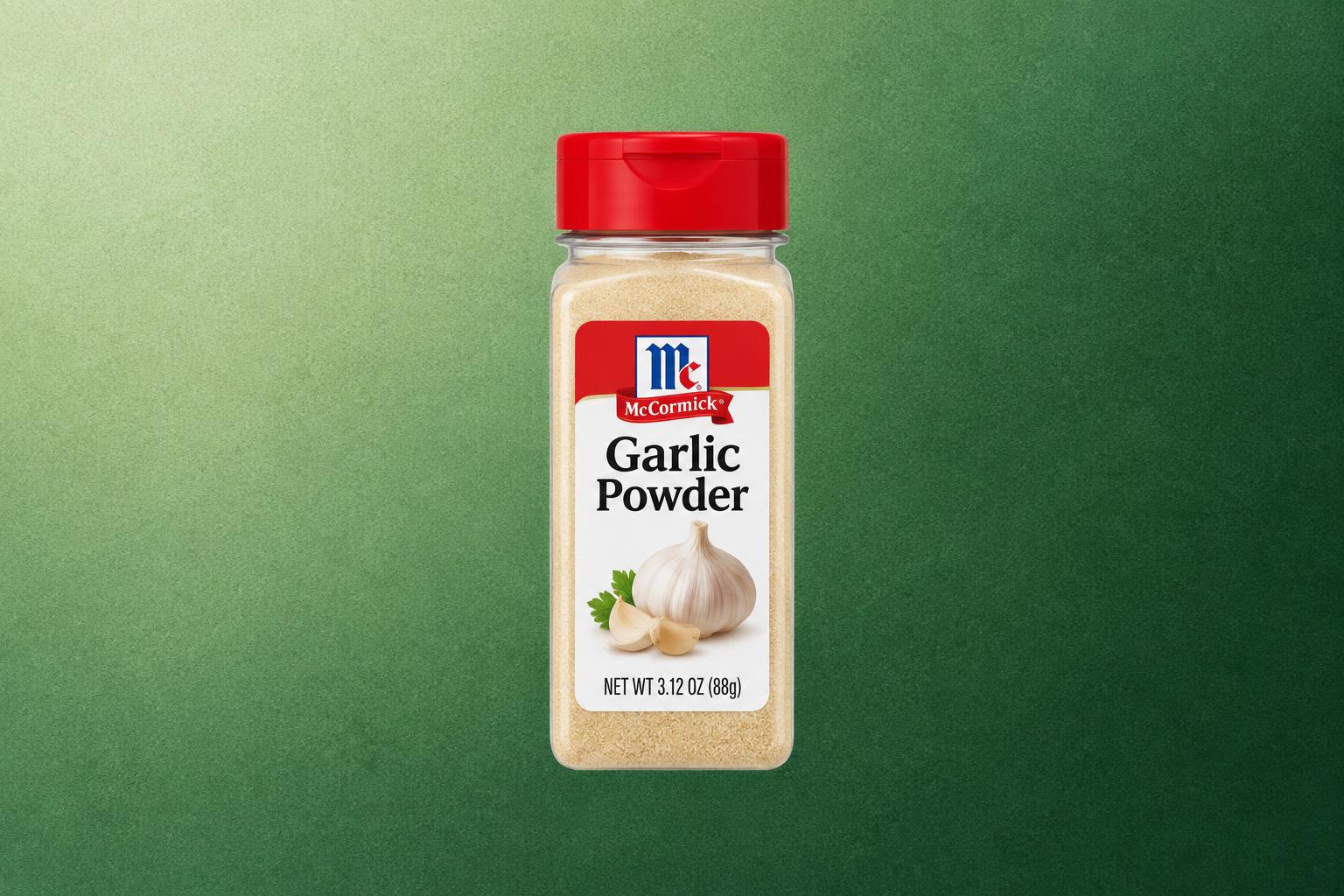
What is silicon dioxide?
Silicon dioxide, also called silica, is a compound of silicon and oxygen. It is one of the most common substances on Earth. Small amounts occur naturally in foods like oats, barley, brown rice, leafy greens, and drinking water.
The silicon dioxide added to packaged food is usually synthetic amorphous silica. "Amorphous" means its particles do not have the rigid crystal structure of quartz. It is made as an extremely fine, porous powder that soaks up moisture and coats other particles so they do not stick together. In Europe it is listed as E551.
Why manufacturers use it as an anti-caking agent
Dry foods attract moisture from the air, and moisture makes powders cake. Silicon dioxide as an anti-caking agent solves several problems:
- Free-flowing seasonings. Taco mixes, ranch powders, and spice rubs stay sprinkle-ready.
- Smooth-mixing drinks. Powdered drink mixes, protein powders, and coffee creamers dissolve without lumps.
- Clean production lines. Powders move through filling machines without clogging.
- Longer usable life. A seasoning packet that has been opened stays usable longer.
- Carrier for flavors. Its porous structure can hold liquid flavorings in powdered form.
Where you will find silicon dioxide
Silicon dioxide in seasoning is the most common example, but you will also see it in:
| Product | Why it is there |
|---|---|
| Taco, chili, and fajita seasoning packets | Keeps spices and salt from clumping |
| Ranch, gravy, and soup mixes | Helps powders pour and dissolve evenly |
| Grated parmesan and shredded cheese blends | Stops pieces from sticking (alongside cellulose) |
| Powdered drink mixes and electrolyte packets | Smooth mixing, no hard lumps |
| Protein powders | Better flow and scooping |
| Non-dairy coffee creamer powder | Prevents caking in humid kitchens |
| Supplements and capsules | Flow agent during manufacturing |
Seasoning packets are also a common source of hidden salt. If you are checking labels for sodium, our guide to hidden sodium on food labels shows what to look for. Protein powders and shakes often combine flow agents with gums and sweeteners, which our article on whether protein shakes are ultra processed explores further.
Food-grade silica vs crystalline silica
Much of the worry about silicon dioxide comes from a mix-up. Crystalline silica, found in stone and sand, is a well-known occupational hazard when workers breathe in fine dust over years, for example during sandblasting or stone cutting. That risk is about inhalation of crystalline particles.
Food-grade silicon dioxide is a different form, amorphous rather than crystalline, and it is swallowed in very small amounts rather than inhaled. The two should not be compared directly, even though they share a chemical formula.
What the FDA and current research say
US rules allow silicon dioxide as a food additive used as an anti-caking agent, as long as it does not exceed 2 percent by weight of the food. The FDA also explains in its consumer overview how food additives are reviewed.
Most silicon dioxide passes through the digestive system without being absorbed. Research in animals and people has not shown harm at the levels found in food. The open question in recent years has been particle size. Some food-grade silica contains a fraction of very small particles, and European regulators, as part of their re-evaluation of food additives, have asked for better data on these nanoscale particles before drawing firm conclusions.
The fair summary: silicon dioxide is low concern at the small amounts used, with remaining scientific questions about particle size rather than evidence of harm. Its presence is more useful as a clue that a food is a processed powder, like a seasoning mix, than as a reason for alarm.
How to read silicon dioxide on ingredient labels
Silicon dioxide is one of several ingredient label additives that manage texture in dry foods. Here is how to read it:
- Look for wording like "silicon dioxide (to prevent caking)." Many labels explain its purpose in parentheses.
- Know its cousins. Calcium silicate, sodium aluminosilicate, and tricalcium phosphate do similar jobs.
- Judge the whole product. A spice blend with paprika, garlic, salt, and silicon dioxide is very different from a seasoning packet with sugar, MSG, maltodextrin, and artificial flavor.
- Consider making your own blends. Mixing chili powder, cumin, garlic, and salt at home skips anti-caking agents entirely.
- Do not confuse it with silica gel packets. Those desiccant sachets are not food and say "do not eat."
Conclusion
Silicon dioxide is an anti-caking agent that keeps seasonings, drink mixes, powdered creamers, and protein powders free-flowing. The food-grade form is amorphous, used at no more than 2 percent of a food, and mostly passes through the body unabsorbed, so it is generally considered low concern, with open questions about very small particles. It is not the same as the crystalline silica dust that affects workers' lungs. If you want a quicker way to spot it and other additives in your pantry, try scanning your groceries with Osana.
Frequently asked questions
Is silicon dioxide safe to eat?
At the small amounts used in food, silicon dioxide is considered safe by US regulators. Most of it passes through the digestive tract without being absorbed.
Is silicon dioxide the same as sand?
They share the same chemical formula, but food-grade silicon dioxide is a purified, amorphous powder, not ground sand or crystalline quartz.
Why is silicon dioxide in my vitamins?
It acts as a flow agent so powders move smoothly through manufacturing equipment and capsules fill evenly.
Is silicon dioxide natural?
Silicon dioxide occurs naturally in plants, water, and minerals, but the version added to food is usually manufactured to be very pure and fine.
Get the cleaner swaps list before your next grocery run.
One short email a week: new label checks and better-for-you products we actually tested.
No spam. Unsubscribe anytime.

Choose cleaner swaps before they land in your cart.
Use Osana at Whole Foods, Trader Joe's, Target, Costco, or Walmart to compare labels faster and shop with more confidence.