7 min read
Yuka vs Open Food Facts: Which Is Better for US Shoppers?
Comparing Yuka and Open Food Facts for US grocery shoppers: scoring methods, database coverage, pricing, and which app actually helps you decode labels faster.
Osana Blog
Practical, research-aware guides on additives, processing, nutrition labels, and the everyday products families actually buy.
Comparing Yuka and Open Food Facts for US grocery shoppers: scoring methods, database coverage, pricing, and which app actually helps you decode labels faster.
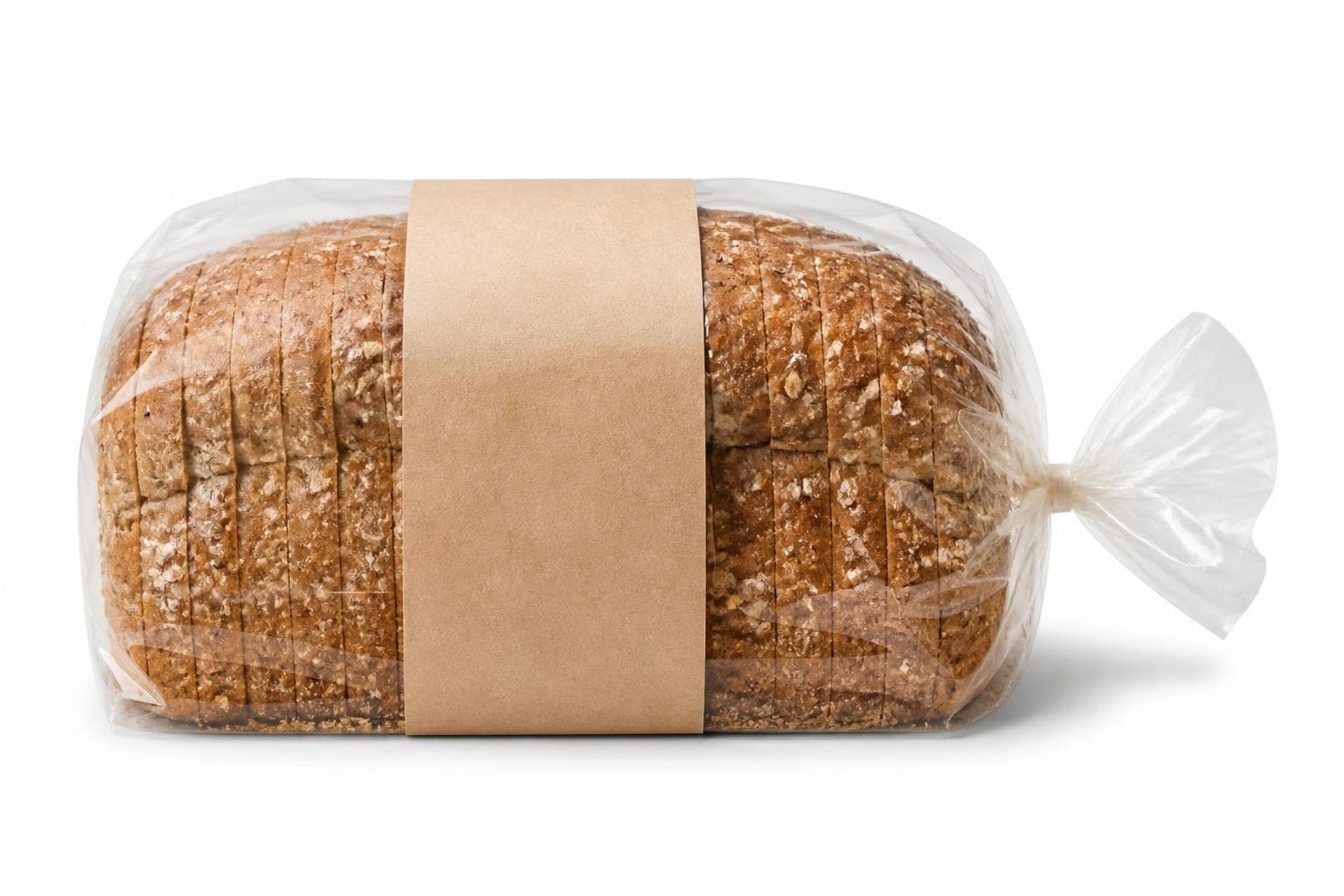
Not all whole grain loaves are equal. Compare the best healthy bread brands at US grocery stores using protein, fiber, sodium, and ingredient quality.
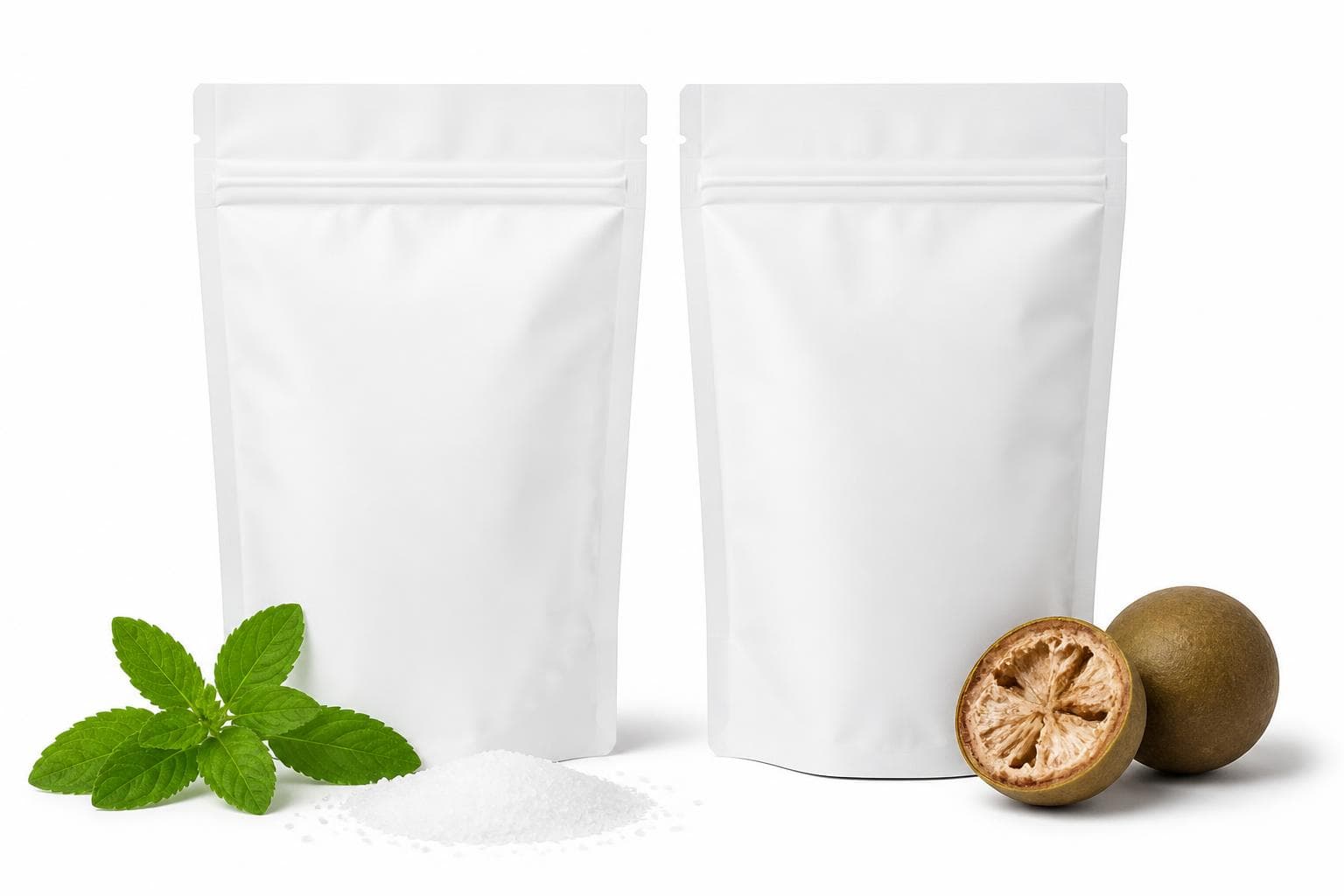
Both stevia and monk fruit are popular natural zero-calorie sweeteners, but how do they differ on labels, in research, and at the grocery store?
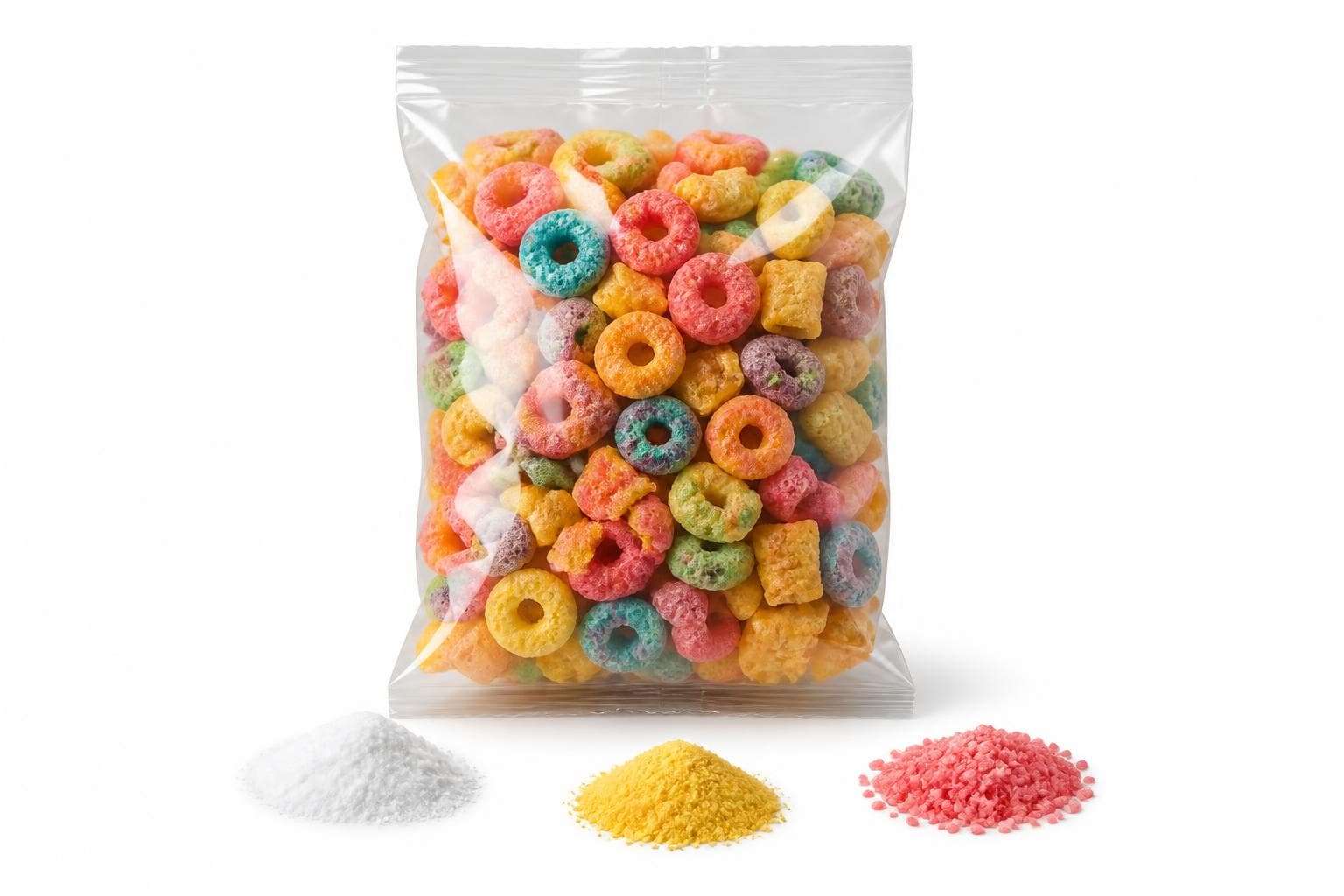
Learn how to avoid ultra processed foods using NOVA classification, real US grocery examples, and practical label-reading strategies that work on your next shopping trip.
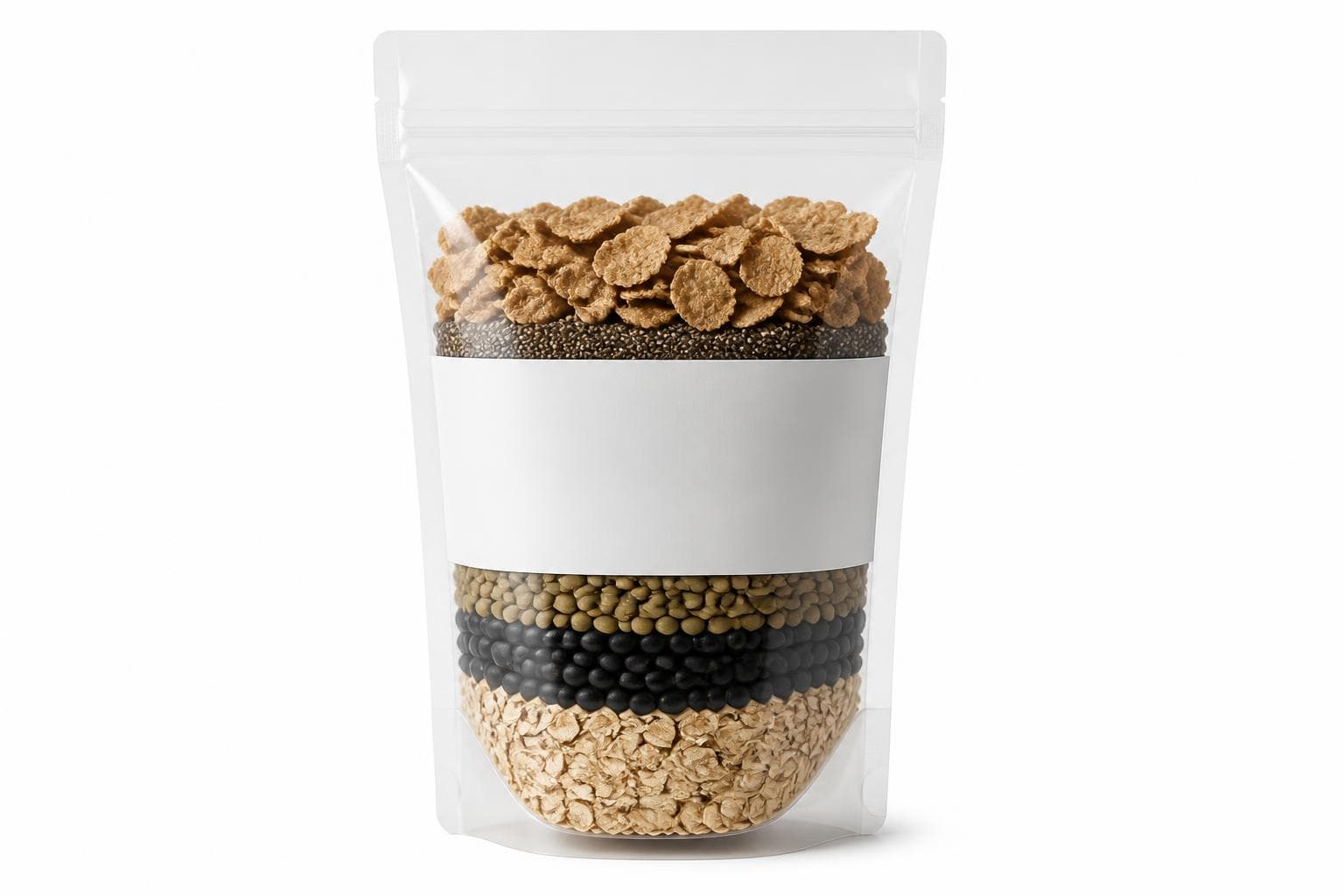
A practical high fiber foods list for US women, covering whole foods and packaged picks with label-reading tips to make smarter grocery choices.
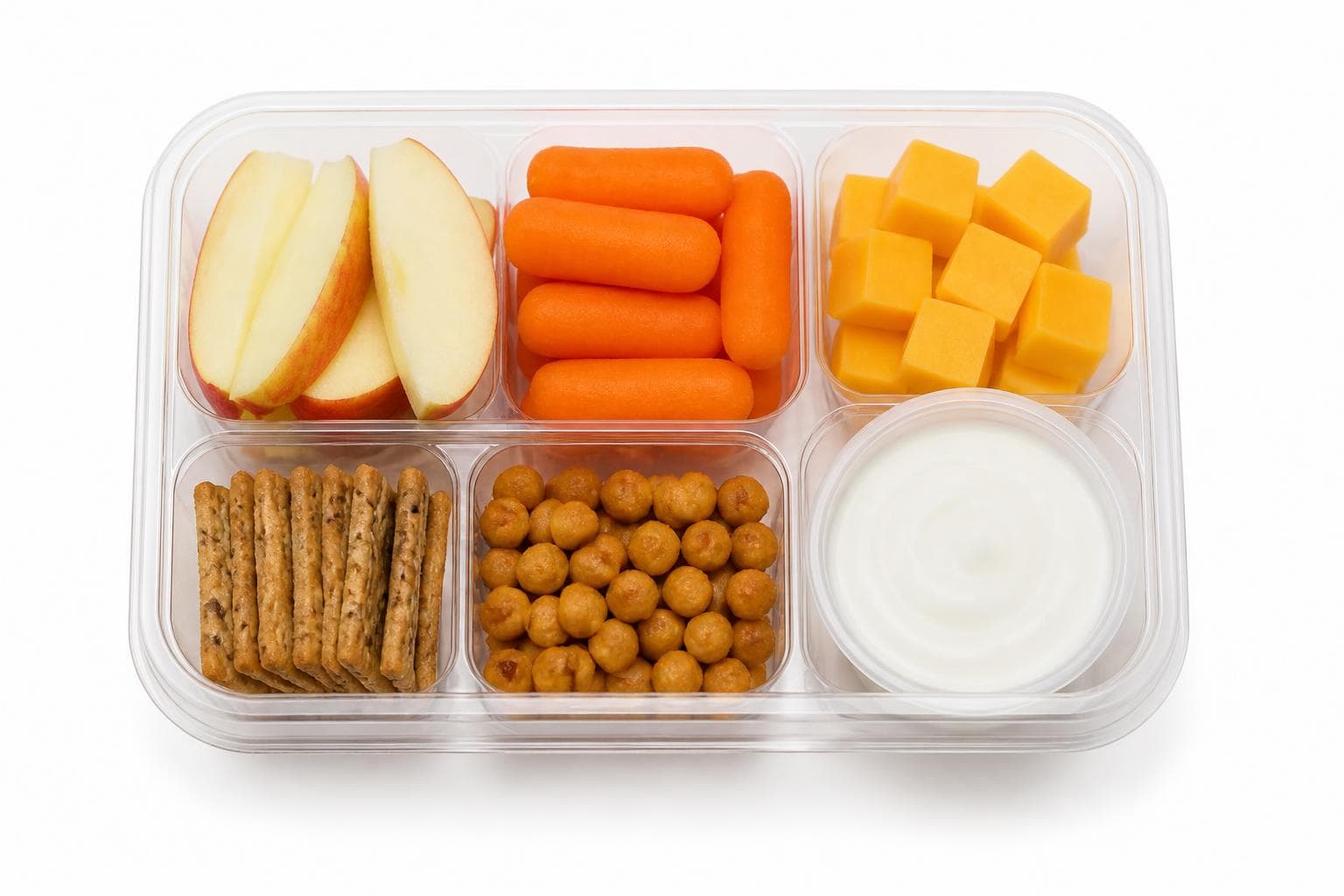
A practical US parent guide comparing packaged and whole-food kids snacks by protein, fiber, added sugar, sodium, and ingredient quality.
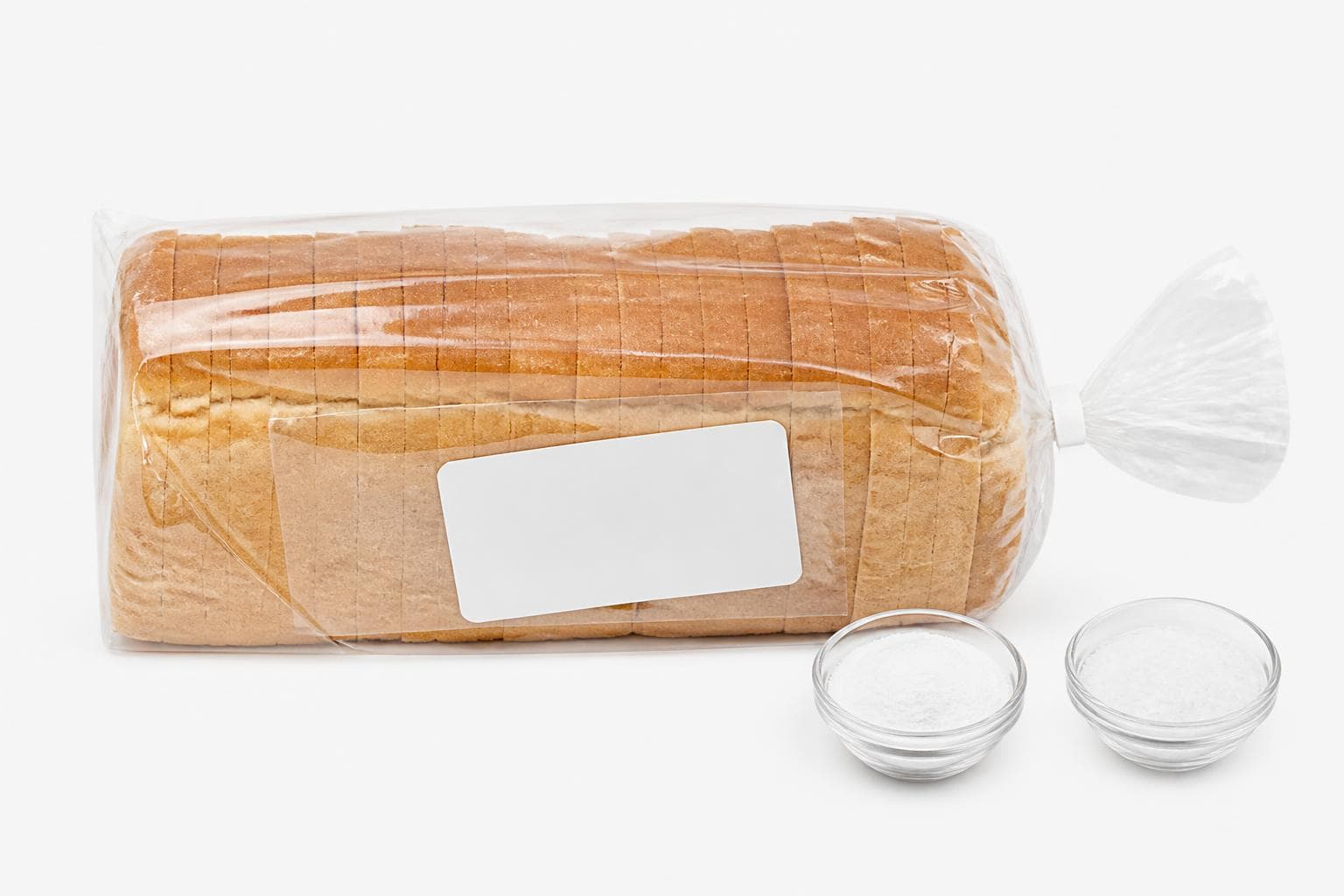
A practical food preservatives list covering common types, why manufacturers use them, where they appear in US grocery aisles, and how to read labels confidently.
Comparing Yuka and Fig for US shoppers: scoring methods, database coverage, pricing, and which app actually helps you avoid questionable ingredients at the grocery store.
Total sugar and added sugar mean very different things on a Nutrition Facts label. Here is exactly how to tell them apart and why it matters at the grocery store.