Are breakfast cereals ultra-processed? What NOVA says about the box
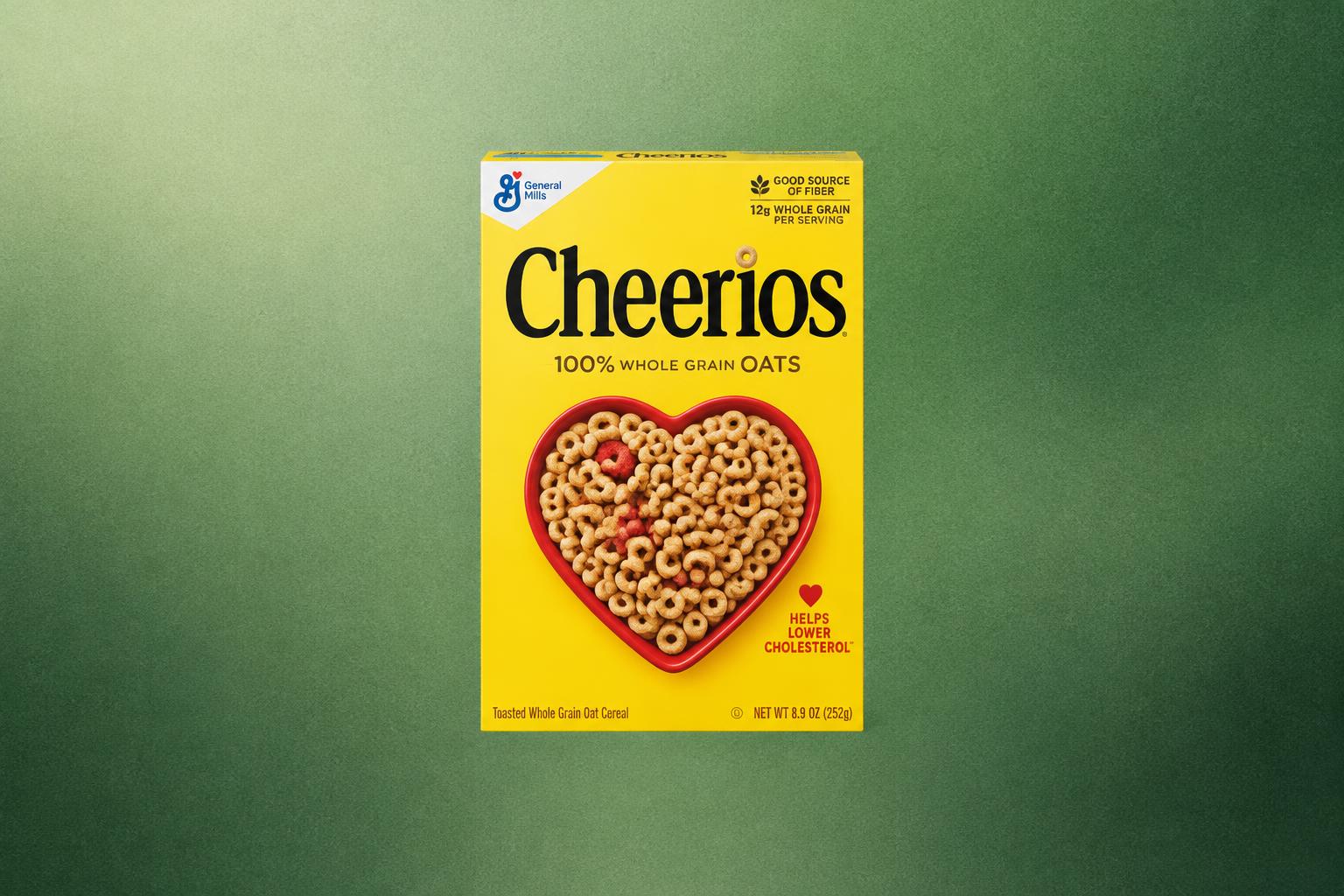
Are breakfast cereals ultra-processed? Many ready-to-eat cereals are, and a key 2019 paper by NOVA's authors lists breakfast "cereals" among its typical examples. But not every box qualifies. The same paper calls plain steel-cut oats, plain corn flakes and shredded wheat minimally processed foods. What decides the group is the ingredient list: add sugar and a cereal becomes processed; add flavors or colors and it becomes ultra-processed. So the honest answer is "it depends on the box," and you can check it in a few seconds. A single-ingredient cereal and a rainbow of puffed shapes sit at opposite ends of the same aisle.

Find the controversial ingredients already in your kitchen.
Scan packaged foods at home, understand ingredients, and find healthier alternatives in seconds.




 Scan with Osana
Are breakfast cereals ultra-processed? The short answer
Many ready-to-eat breakfast cereals are ultra-processed by NOVA's logic, but plain whole-grain cereals are not. Carlos Monteiro and colleagues wrote a 2019 paper on how to spot ultra-processed foods. Its list of typical ultra-processed products includes breakfast "cereals" (Monteiro et al., Public Health Nutrition, 2019).
The same paper is careful about the exceptions. It names breakfast cereals as a category where you have to read the label, because plain versions exist. The spectrum below shows four common stops in a US cereal aisle, and our guide to the NOVA food classification explains all four groups.
Why plain oats and shredded wheat stay minimally processed
A cereal with one ingredient is minimally processed, even though a factory made it. Rolling, steaming, flaking and shredding change the grain's shape, but they don't add anything to it. NOVA's group 1 covers this kind of processing. Its main aim is to extend the life of grains and other whole foods (Monteiro et al., 2019).
That's why a canister of rolled oats and a box of plain shredded wheat land in the same group as a bag of rice. If the list reads "whole grain rolled oats" or "whole grain wheat" and stops there, you have a group 1 cereal. Our ranking of the healthiest oatmeal shows how plain oats compare with flavored packets.
Watch the word "plain": Monteiro's paper calls plain corn flakes minimally processed, yet many flake cereals add sugar and salt. Once sugar joins the list, the paper moves the same food to processed. The name on the front doesn't decide the group; the list on the side does.
What turns a cereal ultra-processed
By NOVA's logic, the tipping point is a flavor or a color on the list. The paper spells it out: plain cereal is minimally processed, the same food is processed when it also contains sugar, and it becomes ultra-processed if it also contains flavors or colors (Monteiro et al., 2019). Here's how each common ingredient fits in.
Added sugars
Sugar on its own makes a cereal processed, not ultra-processed. That surprises many shoppers, but NOVA treats sugar like salt or oil: a kitchen ingredient (see processed vs ultra-processed foods).
Sugar still matters for your family, just as a separate question. Check the Added Sugars line on the Nutrition Facts panel. The FDA counts 20% of the Daily Value or more as a high source (FDA).
Flavors, colors and other cosmetic additives
Monteiro's team calls a specific set of additives "cosmetic": flavors, flavor enhancers, colors, emulsifiers, sweeteners, thickeners and several others. They are used only in ultra-processed foods, and they usually sit at the end of the ingredient list. In cereal, the ones you'll meet most often are "natural flavor," "artificial flavor" and colors such as Red 40 or Yellow 5. Our guide to cereal without artificial dyes covers the colors in detail.
Extrusion and puffed shapes
The paper names extrusion as one of the industrial techniques used to assemble ultra-processed foods. In extrusion, a grain dough is pushed through a die under heat and pressure, then puffs as it exits. Many rings, balls and stars in the cereal aisle are made this way. You won't see "extruded" on the label, so use the shape as a clue and the ingredient list as the answer.
BHT
BHT is an antioxidant preservative that keeps fats from going stale. Federal rules let dry breakfast cereals carry up to 50 parts per million of BHA and BHT combined (21 CFR 172.115).
BHT isn't on NOVA's cosmetic list, so it doesn't make a cereal ultra-processed by itself. It is an additive you would not use at home, though, so treat it as a cue to check the end of the list for flavors or colors. Read more in our explainer on what BHT in cereal is.
Read the ingredient list, not the front of the box
The ingredient list sorts a cereal in seconds, because NOVA works from ingredients. The paper's practical test is simple: if the list contains at least one item characteristic of ultra-processed foods, the product belongs in that group. Words like "whole grain," "made with real fruit" or "lightly sweetened" on the front don't change the result.
| What the list says | What changed | NOVA-style read |
|---|---|---|
| Whole grain rolled oats | Grain rolled and flaked, nothing added | Minimally processed (group 1) |
| Whole grain wheat | Grain cooked and shredded, nothing added | Minimally processed (group 1) |
| Whole grain wheat, sugar, salt | Kitchen ingredients added | Processed (group 3) |
| Whole grain oats, sugar, natural flavor | A flavor joins the list | Ultra-processed by NOVA's logic |
| Corn meal, sugar, artificial flavor, Red 40, Yellow 5, BHT | Flavors, colors and a preservative | Ultra-processed by NOVA's logic |
Notice the fourth row. A cereal can be whole grain and still be ultra-processed, because one flavor is enough to change the group. Our guide to natural flavors in food explains what that single word covers.
How to sort the cereal aisle at a glance
A few quick checks sort most boxes. Count the ingredients, scan the end of the list, then check added sugars. You don't need to memorize additive names to do it.
- Count the ingredients
One grain and nothing else means group 1. A few kitchen ingredients, such as sugar and salt, usually means processed.
- Read the last few items
Flavors, colors, sweeteners and emulsifiers tend to sit at the end. One of them is enough to put the cereal in the ultra-processed group.
- Check the Added Sugars line
Processing level and sugar are separate questions. A serving at 20% DV or more is a high source, per the FDA.
- Decide what fits your family
An ultra-processed cereal can still be an occasional breakfast. If you want daily staples, lean on one-ingredient grains and add your own fruit.
For a closer look at the additives worth flagging, see our list of ingredients to avoid in cereal. If you'd rather compare actual boxes on sugar, fiber and protein, our healthy cereal shopping guide does that side by side.
Frequently asked questions
Is oatmeal ultra-processed?
Plain rolled or steel-cut oats are minimally processed, and Monteiro's paper names plain steel-cut oats in that group. Flavored instant packets are different: if the list adds a flavor or a color, they count as ultra-processed under NOVA's rules.
Is whole grain cereal ultra-processed?
It can be. "Whole grain" describes the main ingredient, not the processing level. A whole grain cereal with only grain is minimally processed, with sugar it's processed, and with flavors or colors it's ultra-processed under NOVA's rules.
Does BHT make a cereal ultra-processed?
Not on its own. BHT is a preservative, and it isn't one of the cosmetic additives NOVA's authors use to define the group. When you see it, check the end of the list for flavors or colors, which do.
Conclusion
Many breakfast cereals are ultra-processed, and NOVA's authors list breakfast cereals among typical examples. Still, the group depends on the box. One-ingredient oats and shredded wheat are minimally processed, while sugar and salt make a cereal processed. Flavors or colors push it into the ultra-processed group, and puffed shapes or BHT are clues worth noticing.
You don't have to clear the pantry. Read the list from the end, check added sugars, and make one-grain cereals your everyday default.
Want to see a cereal's processing level and additives before it goes in your cart? Try scanning the box with Osana next time you shop.
Sources
- Monteiro C.A. et al., "Ultra-processed foods: what they are and how to identify them," Public Health Nutrition 22(5):936-941, 2019.
- Cornell Law School Legal Information Institute, 21 CFR 172.115, "BHT", accessed November 2026.
- US Food and Drug Administration, "Added Sugars on the Nutrition Facts Label", content current as of March 4, 2026.