Processed vs ultra-processed foods: the difference, with label examples
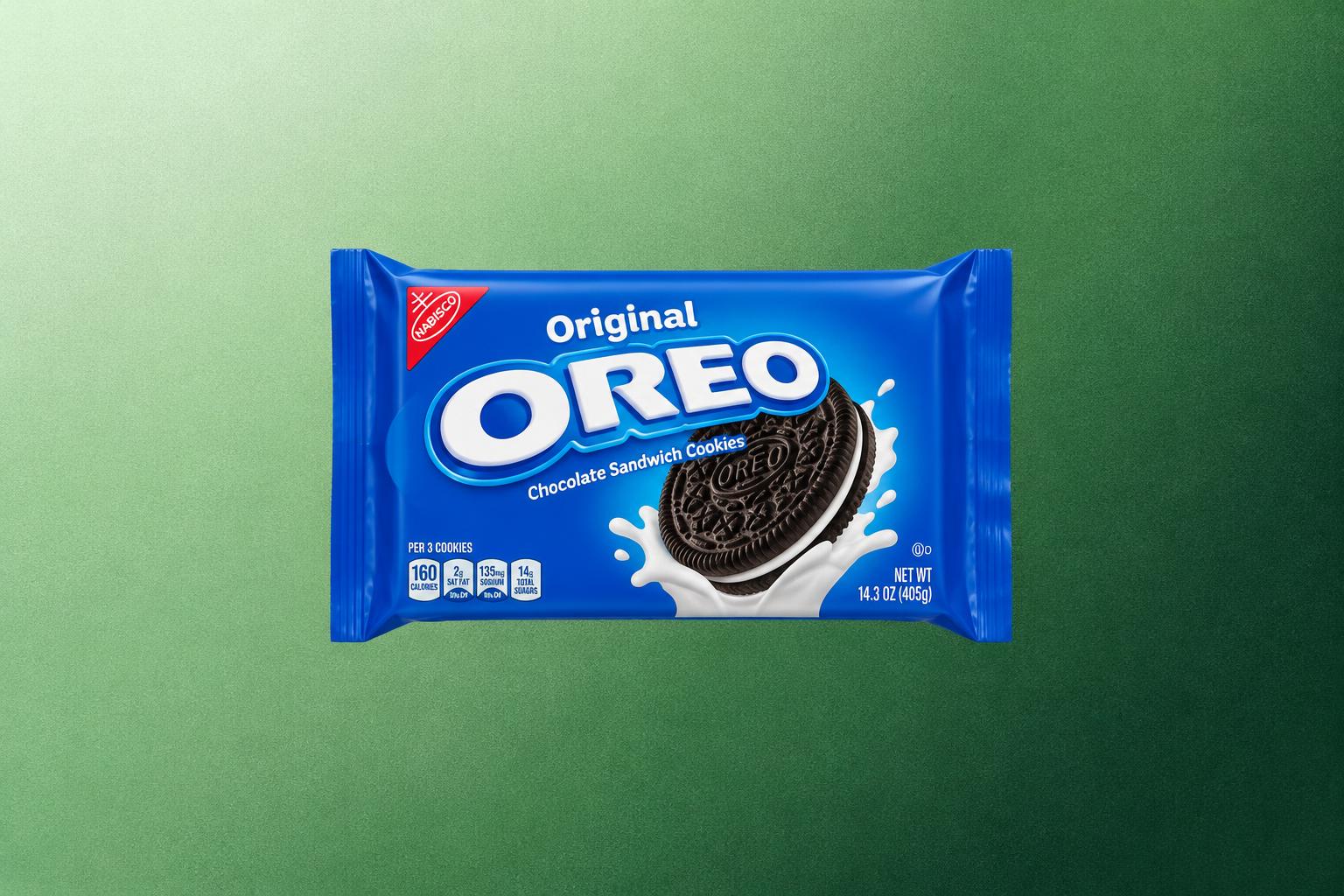
The difference between processed and ultra-processed foods comes down to what is added and why. A processed food is a whole food with a little salt, sugar or oil added, like canned beans, cheese or simple bread. An ultra-processed food contains ingredients rarely used in home kitchens, such as high-fructose corn syrup, and often cosmetic additives like flavors, colors and emulsifiers. So "processed" is not the enemy: the real line is printed on the ingredient list, and you can learn to spot it in seconds.

Find the controversial ingredients already in your kitchen.
Scan packaged foods at home, understand ingredients, and find healthier alternatives in seconds.



 Scan with Osana
What is the difference between processed and ultra-processed foods?
Processed foods add a few kitchen basics to a whole food, while ultra-processed foods are formulations that include industrial ingredients or cosmetic additives. Both terms come from NOVA, a four-group system that sorts foods by how much and why they are processed (Monteiro and colleagues, FAO, 2019).
The four groups run from barely changed to heavily reformulated. Group 1 is unprocessed or minimally processed food, and group 2 is culinary ingredients such as oils, butter, sugar and salt. Group 3 is processed food, and group 4 is ultra-processed food. For a deeper look at each group, see this guide to the NOVA food classification.
Processed food examples you already know
Many processed foods are practical staples, just one step away from home cooking. Canned tomatoes, canned chickpeas, a block of cheddar and a bakery loaf made from flour, water, salt and yeast all sit in group 3. Each one starts from a whole food and adds a few basics, like salt, sugar or oil. You could buy every ingredient yourself.
That processing usually has a practical job. Canning lets vegetables and beans keep on the shelf, and cheese-making is an old way to preserve milk. For a busy family, these foods make home cooking faster without turning the food into something new. For staples one step closer to the farm, see this list of minimally processed foods.
What makes a food ultra-processed?
A food is ultra-processed when its recipe includes ingredients rarely used at home, cosmetic additives, or both. The first kind includes high-fructose corn syrup, hydrolyzed proteins, protein isolates, maltodextrin, and hydrogenated or interesterified oils. They are common in industrial recipes but rare in home kitchens.
The second kind is cosmetic additives, which change how a food looks, tastes or feels. They include flavors, flavor enhancers, colors, emulsifiers, sweeteners and thickeners. To decode two of them, see these guides to natural flavors in food and emulsifiers in food.
Processed foods (NOVA group 3)
- What is added: salt, sugar or oil
- Typical examples: canned vegetables and beans, cheese, simple bread
- Label clue: a short list of ingredients you could buy yourself
Ultra-processed foods (NOVA group 4)
- What is added: industrial ingredients, cosmetic additives, or both
- Typical examples: salty snacks, sweet bakery products, sweetened drinks, processed cheese slices
- Label clue: names like maltodextrin, protein isolate, flavors, colors or emulsifiers
In practice, spotting even one of these clues on a label is a strong hint that you are looking at a group 4 food. That is why flavored versions of simple foods often cross the line while the plain version does not. For a fuller explanation, see what ultra-processed food is.
There is no official federal definition of ultra-processed food in the US yet, and the FDA and USDA have asked the public for input. Until one exists, NOVA is a practical yardstick, and it is the system the CDC used for the national figures below.
How much of the US diet is ultra-processed?
More than half of the calories eaten in the US come from ultra-processed foods, according to a CDC data brief published in August 2025. From 2021 to 2023, the average share was 55.0% for everyone aged 1 and older, 61.9% for youth and 53.0% for adults (CDC).
Among adults, the share declines with age: 54.4% for ages 19 to 39, 52.6% for 40 to 59 and 51.7% for 60 and older (CDC). Adult women and men were close, at 52.7% and 53.3%, a difference the CDC did not find statistically significant.
The top calorie sources among ultra-processed foods included sandwiches (including burgers), sweet bakery products, salty snacks and sweetened beverages, for youth and adults alike (CDC). For adults, the share went down between 2013-2014 and 2021-2023.
Why the line between processed and ultra-processed matters
One small inpatient study suggests that processing level can change how much people eat. Twenty adults lived at the NIH Clinical Center and ate an ultra-processed diet and an unprocessed diet for 2 weeks each (Hall and colleagues, 2019).
Eating as much as they wanted, they took in about 500 more calories a day on the ultra-processed diet and gained weight. It was a small, short study, so it cannot show long-term effects or judge any single product.
Processed vs ultra-processed foods: label examples side by side
The quickest way to see the difference is to compare two versions of the same food. In each pair below, the less processed version has a short list of ingredients you could keep at home. The ultra-processed version keeps the base food but adds an industrial ingredient or a cosmetic additive.
| Food | Less processed | Ultra-processed | The clue |
|---|---|---|---|
| Yogurt | Plain Greek yogurt: milk, live cultures | Flavored yogurt: milk, sugar, modified corn starch, natural flavors | Modified starch and flavors |
| Chickpeas | Canned chickpeas: chickpeas, water, salt | Flavored chickpea puffs: chickpea flour, oil, maltodextrin, natural flavors | Maltodextrin and flavors |
| Bread | Bakery bread: flour, water, salt, yeast | Packaged sandwich bread: flour, water, soybean oil, yeast, salt, emulsifiers, dough conditioners | Emulsifiers and dough conditioners |
| Cheese | Block cheddar: milk, salt, cultures, enzymes | Processed cheese slices: cheese, milk, emulsifying salts, salt, added colors | Emulsifying salts and colors |
Notice that the base food barely changes: it is still milk, chickpeas, flour or cheese. What moves each product into group 4 is a handful of added ingredients, and they tend to sit near the end of the list.
When a label looks like the ultra-processed column, look for a simpler version in the same aisle instead of dropping the category. Plain yogurt topped with fruit, block cheese and a simple bakery loaf are easy swaps. For more ideas, see these practical ways to avoid ultra-processed foods and this longer list of ultra-processed food examples. The goal is knowing what you buy, not perfection.
A 3-step label test for the grocery aisle
You don't need to memorize additive names to sort a package. These three checks follow the same logic as NOVA and work on any ingredient list.
- Read the last third of the list
US labels list ingredients from most to least by weight, so additives used in small amounts tend to sit near the end. Start there.
- Look for ingredients you would not find in a home kitchen
High-fructose corn syrup, maltodextrin, protein isolates, hydrolyzed proteins or hydrogenated oils point to group 4, even when the rest of the list looks simple.
- Check for cosmetic additives
Flavors (natural or artificial), flavor enhancers, colors, emulsifiers, sweeteners and thickeners are the other group 4 signal. Salt, sugar, oil and butter alone do not make a food ultra-processed.
Frequently asked questions
Are canned foods ultra-processed?
Not necessarily. Canned vegetables and beans packed with water and salt are processed foods, NOVA group 3. Canned soups, sauces or meals can be ultra-processed when the list adds flavors, thickeners, sweeteners or other ingredients you would not use at home.
Are protein bars ultra-processed?
Many are, because protein isolates, sweeteners and flavors are common bar ingredients. Run the same three checks on the label, and see whether protein bars count as ultra-processed for a closer look.
Can an organic food be ultra-processed?
Yes. Organic describes how ingredients are produced, and neither "organic" nor "natural" on the front tells you the processing level. An organic snack made with protein isolate, maltodextrin or natural flavors is still ultra-processed under NOVA.
The bottom line
Processed and ultra-processed foods are not the same, and the difference is printed on the back of the package. Canned beans, cheese and simple bread add kitchen basics to a whole food. Ultra-processed foods add ingredients rarely used at home, cosmetic additives such as flavors, colors and emulsifiers, or both. Next time you shop, read the end of the list first and pick the simpler version when you can.
For a second pair of eyes in the aisle, you can try Osana: scan a barcode to see a product's processing level and additives.
Sources
- CDC, National Center for Health Statistics, "Ultra-processed Food Consumption in Youth and Adults: United States, August 2021-August 2023", NCHS Data Brief No. 536, August 2025.
- Hall KD et al., "Ultra-Processed Diets Cause Excess Calorie Intake and Weight Gain: An Inpatient Randomized Controlled Trial of Ad Libitum Food Intake", Cell Metabolism, 2019.
- Monteiro CA et al., "Ultra-processed foods, diet quality, and health using the NOVA classification system", FAO, 2019.