Aspartame vs stevia: what US labels, the FDA, and the research say
 By Clement8 min read
Find the controversial ingredients already in your kitchen.
Scan packaged foods at home, understand ingredients, and find healthier alternatives in seconds.




 Scan with Osana
Aspartame vs stevia: the short answer
Aspartame is a synthetic sweetener made from two amino acids, while stevia sweeteners are purified extracts from the leaves of the stevia plant. Both are approved for use in US foods, and neither adds meaningful calories. Aspartame has far more long-term human research behind it, and it has also drawn more controversy, including a 2023 "possibly carcinogenic" hazard classification. Stevia is newer to the US market and is often seen as more natural, but it has less long-term data. Neither is a clear winner for every shopper, and the right choice depends on what you are sweetening, who is eating it, and how much of it lands in your cart.
This guide compares the two on what they are, where you will find them, what the evidence says, and how to spot them on a label. If you are comparing stevia with sugar alcohols instead, see our erythritol vs stevia breakdown.
What each sweetener actually is
Aspartame
Aspartame is made by bonding two amino acids, aspartic acid and phenylalanine, with a small methyl group. It is roughly 200 times sweeter than sugar, so tiny amounts are used. On labels it appears as aspartame, and some tabletop packets carry brand names like Equal or NutraSweet. In the EU it is coded E951.
Because it contains phenylalanine, US law requires products with aspartame to carry the statement "Phenylketonurics: contains phenylalanine." That warning matters for people with the genetic condition PKU, not for the general population.
Aspartame breaks down with prolonged heat, so it shows up mainly in cold or shelf-stable items rather than baked goods.
Stevia
The stevia sweeteners sold in US groceries are not the whole leaf. They are highly purified compounds called steviol glycosides, most often Reb A (rebaudioside A), and increasingly Reb M or Reb D, which taste less bitter. They are about 200 to 400 times sweeter than sugar and are heat stable.
On labels you may see "stevia leaf extract," "steviol glycosides," "Reb A," "Reb M," or "purified stevia extract." In the EU the group is coded E960. Brand names include Truvia and PureVia, though those products are often blended with other ingredients.
Why manufacturers use them
Both let brands cut sugar and calories while keeping a sweet taste, which helps them market products as "zero sugar," "diet," or "keto friendly." The practical differences drive which one a company picks:
- Aspartame has a clean, sugar-like taste, is inexpensive, and has decades of use in sodas. Its weakness is heat and long-term stability in liquids.
- Stevia fits "plant-based" and "no artificial sweeteners" marketing, handles heat, and works in baked goods. Its weakness is a bitter or licorice aftertaste, which is why it is often paired with erythritol, monk fruit, or natural flavors.
That pairing point is important. A package that says "sweetened with stevia" frequently contains more erythritol than stevia by weight, because stevia is used in such tiny amounts.
Where you will find them in US grocery stores
Common aspartame categories
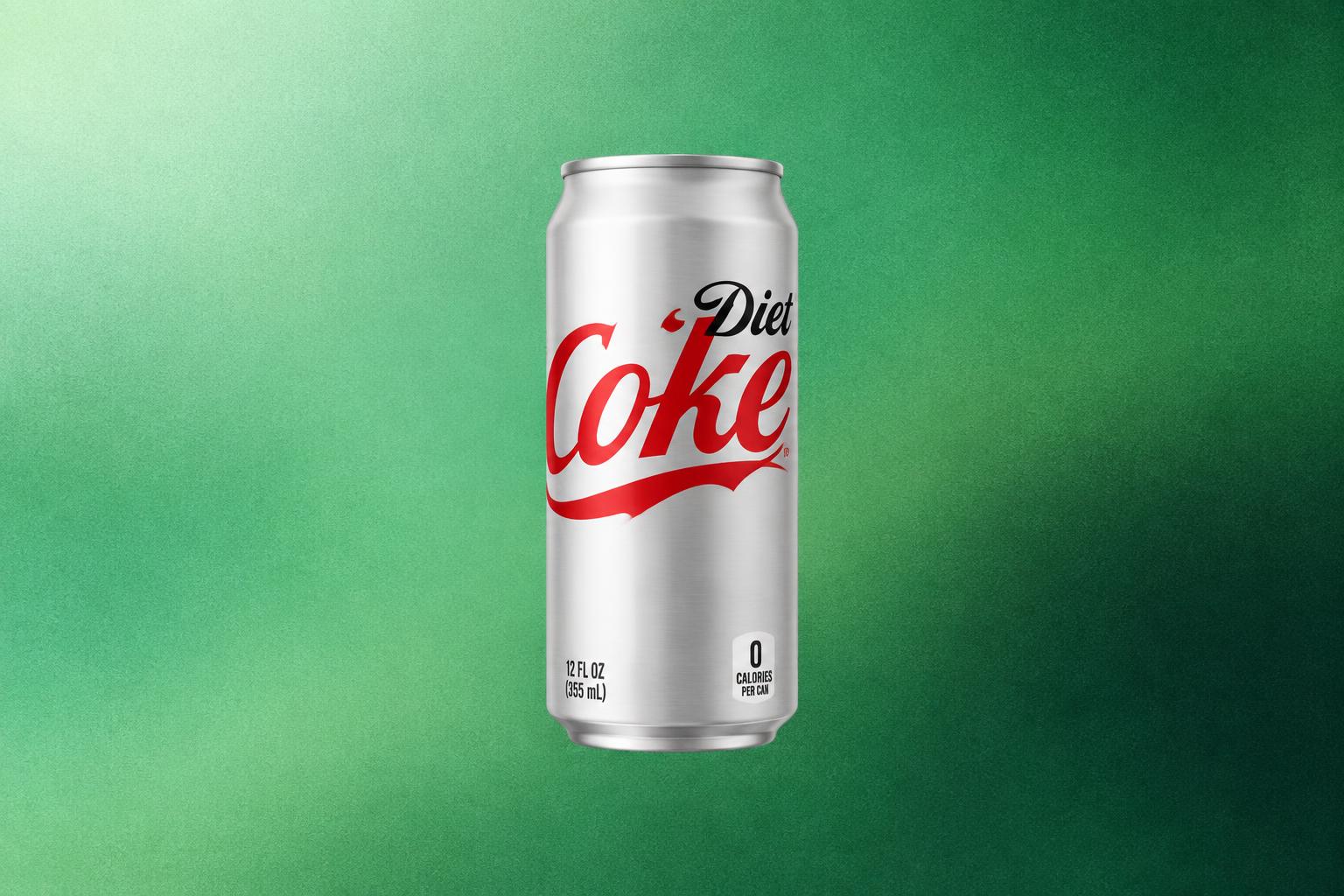
- Diet sodas and some "zero" colas
- Powdered drink mixes and water enhancers
- Sugar-free gelatin and pudding cups
- Light and "fruit on the bottom" diet yogurts
- Sugar-free gum and breath mints
- Some chewable vitamins and fiber supplements
Common stevia categories
- "Naturally sweetened" sodas and sparkling drinks
- Protein powders, shakes, and bars
- Plant-based yogurts and flavored oat milks
- Keto cereals, granolas, and baking mixes
- Kombucha and flavored waters
- Tabletop drops and packets
A family example: a Target cart might hold a diet lemonade drink mix with aspartame, a kids' flavored water with stevia and erythritol, and a protein shake with sucralose plus stevia. Each claims "no added sugar," but each uses a different sweetener system. Protein products in particular often stack several sweeteners, which we cover in are protein shakes ultra processed.
What the FDA and science say
Aspartame's regulatory status
The FDA approved aspartame as a food additive and considers it safe at an acceptable daily intake (ADI) of 50 mg per kg of body weight. The agency's overview of sweeteners approved in the US describes it as one of the most studied substances in the food supply.
In 2023, the World Health Organization's cancer agency (IARC) classified aspartame as "possibly carcinogenic to humans" (Group 2B), based on limited evidence. At the same time, the WHO and FAO expert committee on additives reviewed the data and kept the ADI at 40 mg per kg of body weight. The WHO summary of both findings explains the difference: IARC rates whether something could be a hazard, while the additive committee estimates how much is safe to consume. For context, an adult of about 150 pounds would need to drink many cans of diet soda daily to approach that limit.
The FDA disagreed with the IARC classification, pointing to limitations in the studies used. EFSA reviewed aspartame in 2013 and also found it safe at current intake levels. Aspartame is allowed in Europe, not banned, which is worth knowing if you have seen social videos suggesting otherwise.
Stevia's regulatory status
Highly purified steviol glycosides reached the US market through the GRAS process, in which companies notify the FDA and the agency responds with "no questions." Whole-leaf stevia and crude extracts are not approved as food additives in the US because of limited safety data. You can read more about how that pathway works in our explainer on GRAS meaning in food.
The WHO committee and EFSA set an ADI for steviol glycosides of 4 mg per kg of body weight, expressed as steviol equivalents. EFSA's scientific opinion on steviol glycosides found no genotoxic or cancer concerns at that level.
Where the uncertainty is
- Gut microbiome: Small human and animal studies suggest non-sugar sweeteners, including both of these, may shift gut bacteria. Results are mixed and the health meaning is unclear.
- Weight and metabolic health: In 2023 the WHO issued a conditional guideline advising against using non-sugar sweeteners for weight control, based largely on observational data. It did not say they are unsafe, and it did not apply to people with diabetes.
- Long-term stevia data: Stevia has fewer decades of population-level research than aspartame, so "natural" should not be read as "proven safer."
- Observational links: Large cohort studies linking artificial sweeteners to cardiovascular or cancer outcomes cannot prove cause and effect.
The honest takeaway on stevia vs aspartame is that both are considered safe at typical intakes by major regulators, and both carry open research questions.
Aspartame or stevia: how to choose
A neutral way to think about this stevia sweetener comparison:
| Factor | Aspartame | Stevia (steviol glycosides) |
|---|---|---|
| Source | Synthetic, from amino acids | Purified plant extract |
| Heat stable | No | Yes |
| Special warning | Phenylalanine (PKU) | None required |
| Taste | Sugar-like | Can be bitter, often blended |
| Research history | Decades, extensive | Shorter, growing |
| Recent controversy | IARC 2B classification | Fewer headlines |
People with PKU need to avoid aspartame. Others often choose based on taste, ingredient preferences, or how often a product is eaten. If a sweetened drink is a daily habit for your kids, the frequency may matter more than which sweetener it uses.
Label-reading tips for your next grocery run
- Read the ingredient list, not the front claim. "Naturally sweetened" and "zero sugar" do not tell you which sweetener is inside.
- Look for the PKU statement. It is a quick signal that aspartame is present.
- Check for blends. Stevia products often list erythritol, allulose, monk fruit, or sucralose alongside it.
- Compare within a category. Two sparkling waters at Whole Foods can use completely different sweeteners.
- Watch for multiple sweeteners in kids' items. Drink pouches and flavored waters sometimes combine sugar and a non-sugar sweetener.
- Notice the overall formula. A sweetener is one ingredient in a product that may also contain gums, colors, and flavors worth reviewing.
The bottom line
Aspartame vs stevia is less a battle between a safe and an unsafe sweetener than a choice between a well-studied synthetic option and a plant-derived option with a shorter track record. Regulators in the US and Europe allow both, the science still has gaps, and the smartest move is knowing which one is in the products your family uses most. If you want to see which sweeteners and additives are hiding in your pantry in seconds, try scanning your next grocery haul with Osana.
Frequently asked questions
Is stevia banned anywhere?
Purified steviol glycosides are approved in the US, EU, and many other countries. Whole-leaf stevia is not approved as a food additive in the US, though it is sold as a dietary supplement.
Is aspartame banned in Europe?
No. Aspartame is approved in the EU as E951 and must carry a phenylalanine warning, similar to the US.
Can kids have stevia or aspartame?
Regulators consider both acceptable within their daily intake limits for the general population. Children with PKU must avoid aspartame. Ask your pediatrician about regular use.
Does "stevia" on a label mean it is the only sweetener?
Not always. Many products blend stevia with erythritol, monk fruit, or other sweeteners, so check the full ingredient list.

Choose cleaner swaps before they land in your cart.
Use Osana at Whole Foods, Trader Joe's, Target, Costco, or Walmart to compare labels faster and shop with more confidence.